I believe every employee should understand workplace protections before a hazard becomes an injury. Many workers remain silent because they fear losing hours, being reassigned, or upsetting a supervisor. Safety laws give employees ways to report dangers, request information, participate in inspections, and challenge retaliation.
Understanding employee rights under OSHA regulations helps workers recognize when an employer is falling short and respond without guesswork.
The Right to a Safe Workplace
Employers must provide working conditions free from recognized hazards likely to cause death or serious physical harm. These dangers include unguarded machinery, unsafe electrical systems, toxic chemicals, excessive noise, fall hazards, blocked exits, and poor respiratory protection.
Workers do not have to wait for an accident before speaking up. They may report a hazard to a supervisor, safety manager, union representative, or OSHA. A useful report identifies the location, task, employees exposed, and why the condition is dangerous. A dated written record can show that the concern was raised promptly.
The Right to Information and Training

Employees have the right to safety training in a language and vocabulary they understand. Training should explain occupational hazards, safe procedures, emergency actions, required protective equipment, and proper machinery or chemical use.
Hazard Communication Rights
Workers handling hazardous chemicals may review labels and Safety Data Sheets. These explain health effects, first aid, storage rules, exposure controls, and emergency procedures. Employers must keep them accessible during the work shift.
The Right to Required Protective Equipment
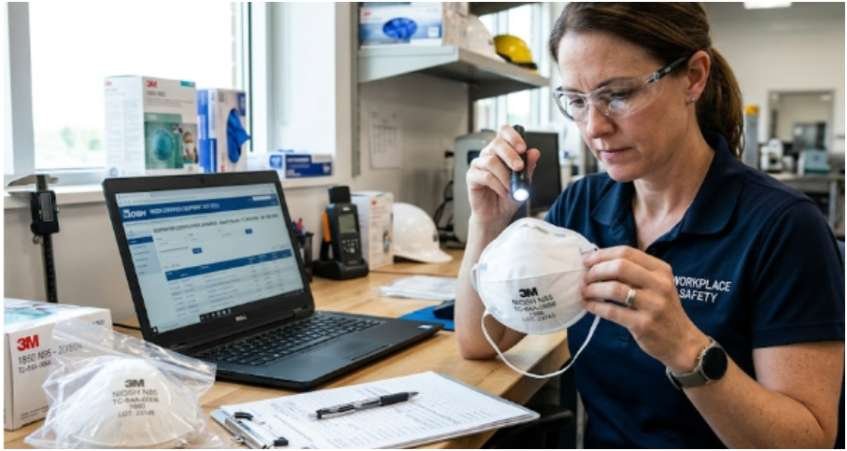
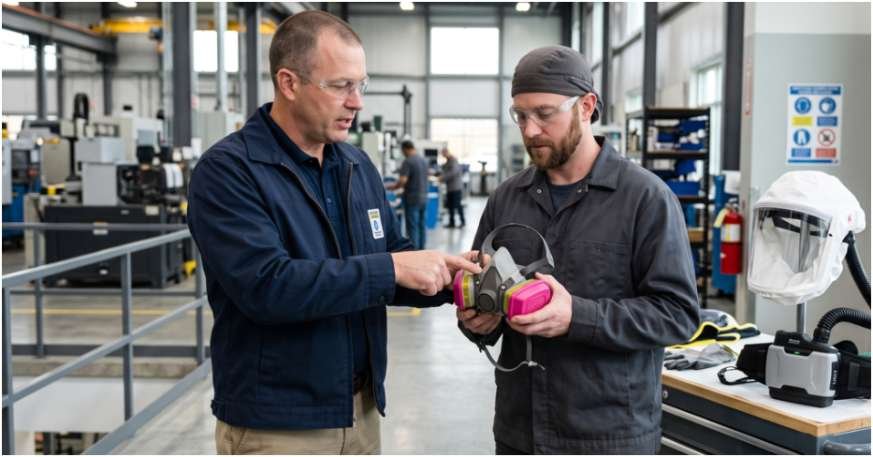
Employers must evaluate hazards and provide required personal protective equipment. Depending on the job, this may include gloves, safety glasses, hard hats, hearing protection, respirators, protective clothing, or fall-arrest equipment.
In many situations, the employer must pay for required PPE. Equipment must fit properly, remain in good condition, and match the hazard. Damaged or poorly fitting equipment does not provide meaningful protection.
The Right to Report Injuries and Hazards
Employees may report work-related injuries, illnesses, near misses, and dangerous conditions without punishment. Employers cannot discourage truthful reporting through threats, unreasonable rules, loss of benefits, or automatic discipline.
Workers may also request applicable injury and illness records related to forklift rules for operators and pedestrians. These records can reveal repeated incidents, unsafe tasks, or hazards affecting other employees.
The Right to Request an OSHA Inspection

An employee or representative may file a complaint when serious hazards or violations are suspected. Complaints may be submitted online, by telephone, by mail, by fax, or through a local office.
A strong complaint identifies the employer, worksite, hazard, number of exposed workers, and how long the condition has existed. Employees may ask OSHA not to disclose their names.
Rights During an Inspection
Employees may speak privately with the compliance officer. An authorized employee representative may participate in the walkaround inspection. Workers can identify hazardous areas, describe unsafe procedures, and explain which shifts are affected.
Employees may also learn about citations issued to the employer. A citation generally identifies the violation, corrective action, and deadline for fixing the condition.
The Right to Access Medical and Exposure Records
Employees may have the right to access relevant medical and exposure records. These can include chemical monitoring results, hearing tests, respiratory evaluations, and measurements involving lead, silica, or asbestos.
Such records matter when exposure may cause long-term illness. Employees can use them to understand workplace risks and discuss concerns with a qualified medical professional.
The Right to Refuse Imminently Dangerous Work
The right to refuse work is limited. Protection may apply when an employee reasonably believes a task creates an imminent risk of death or serious injury, asks the employer to correct it when possible, and lacks enough time for OSHA to inspect.
Workers should remain at the worksite unless directed otherwise and request safer duties when available. They should document the danger, correction request, and employer response.
Protection From Retaliation

Employers may not retaliate against employees for exercising protected safety rights. Retaliation can include firing, demotion, reduced hours, discipline, intimidation, blacklisting, undesirable reassignment, or denial of promotion.
A worker who believes retaliation occurred should act quickly because some whistleblower complaints have short deadlines. Emails, schedules, witness names, disciplinary notices, performance records, and timing may support the claim.
Who Is Covered by OSHA?
Most private-sector employees are covered by federal OSHA or an approved State Plan. Federal employees also receive workplace safety protections, while state and local government coverage may depend on the applicable State Plan.
Some self-employed workers, certain immediate family members on small farms, and employees regulated by another federal safety agency may fall outside standard coverage. Temporary and immigrant workers generally retain safety protections regardless of who issues their paycheck.
Frequently Asked Questions
1. Can an Employee Report a Hazard Confidentially?
Yes. An employee filing a complaint may ask OSHA to keep their identity confidential from the employer.
2. Can an Employer Fire Someone for Contacting OSHA?
No. Punishing an employee for reporting a hazard, requesting an inspection, or participating in an investigation may be unlawful retaliation.
3. What Records Can Employees Request?
Depending on the situation, employees may access injury logs, exposure measurements, medical records, Safety Data Sheets, and information about OSHA citations.
4. Why Are Employee Rights Under OSHA Regulations Important?
They allow workers to report hazards, obtain safety information, participate in inspections, access records, and seek protection when an employer retaliates.
Final Thoughts
I view workplace safety rights as practical tools, not legal language buried in a handbook. Employees who know how to report hazards, preserve evidence, request an inspection, and respond to retaliation are better prepared to protect themselves and their coworkers.
Speaking up early can stop a dangerous condition from becoming a life-changing injury. When a concern involves immediate danger, serious exposure, or punishment for reporting a hazard, acting promptly and documenting each step can make a meaningful difference.