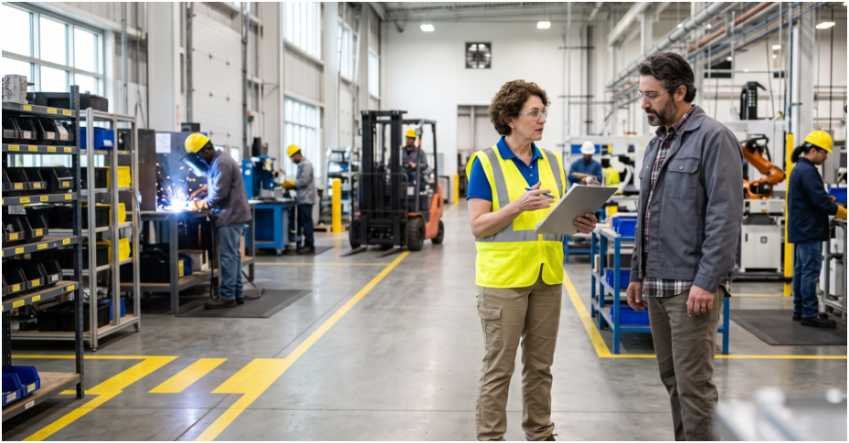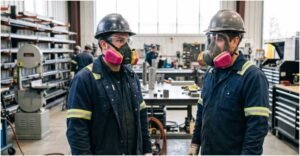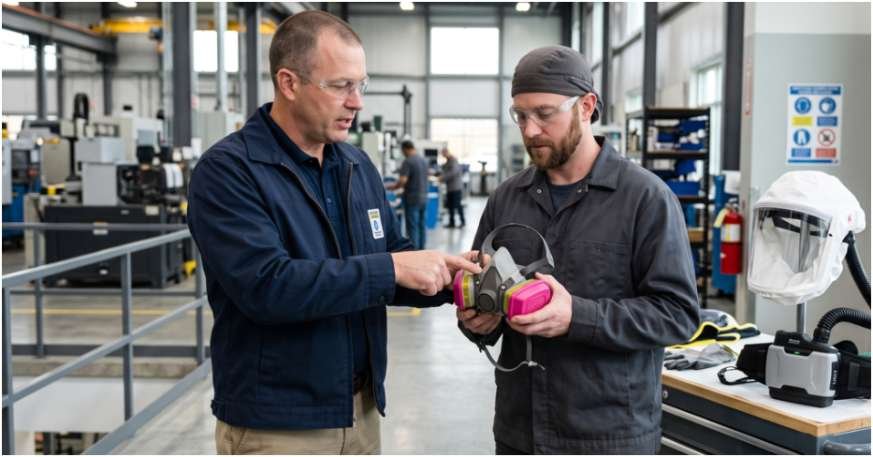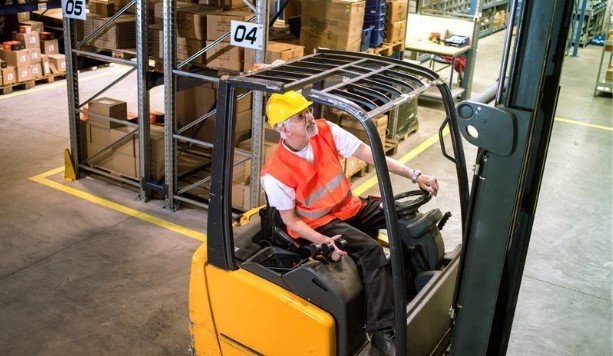
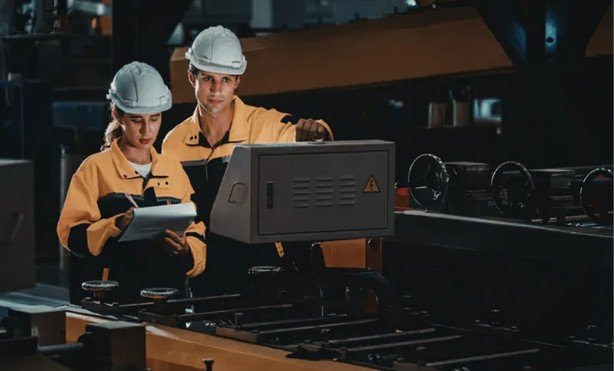
I have learned that an effective workplace inspection is more than walking around with a generic checklist. It is a complete process for finding hazards, speaking with employees, recording evidence, assigning corrective actions, and confirming that every solution works.
When I explain how to conduct a workplace safety inspection, I focus on what happens before, during, and after the walkthrough. This approach can reveal visible dangers, hidden health risks, unsafe work practices, and recurring problems before they contribute to an injury, illness, fire, equipment failure, or compliance issue.
What Is a Workplace Safety Inspection?
A workplace safety inspection is a planned review of work areas, equipment, materials, procedures, and employee activities. Its purpose is to identify conditions or practices that could cause harm.
An internal inspection is not the same as an OSHA enforcement inspection. An employer conducts an internal inspection proactively as part of its safety program. An OSHA inspection is an official regulatory activity conducted by a compliance officer.
An inspection also differs from a safety audit. An inspection usually examines current workplace conditions, while an audit evaluates whether the broader safety-management system is properly designed and followed.
Step 1: Define the Inspection Scope
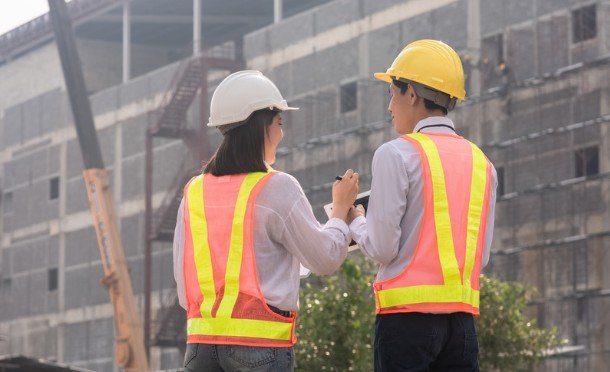
Start by deciding exactly what the inspection will cover. The scope may include an entire facility, one department, a warehouse, a production line, a vehicle fleet, a construction area, or a specific high-risk task.
The inspection schedule should reflect the hazards involved. High-risk equipment may require daily or pre-shift checks, while a wider facility inspection may be completed weekly, monthly, or quarterly.
Consider equipment condition, incident history, operational changes, seasonal risks, contractor activity, shift patterns, maintenance work, shutdowns, emergencies, and nonroutine tasks. Inspecting only normal daytime operations can leave significant hazards undiscovered.
Step 2: Review Previous Safety Records
A productive inspection begins before entering the work area. Review previous reports, incomplete corrective actions, injury records, near-miss reports, maintenance logs, employee complaints, training records, safety data sheets, and recent process changes.
Look for repeated findings. Several slips in the same aisle may indicate a drainage problem rather than poor housekeeping alone. Repeated machine-guard violations may mean the guard interferes with production.
Historical records help the inspection team investigate underlying causes instead of documenting the same symptoms during every visit.
Step 3: Choose the Inspection Team
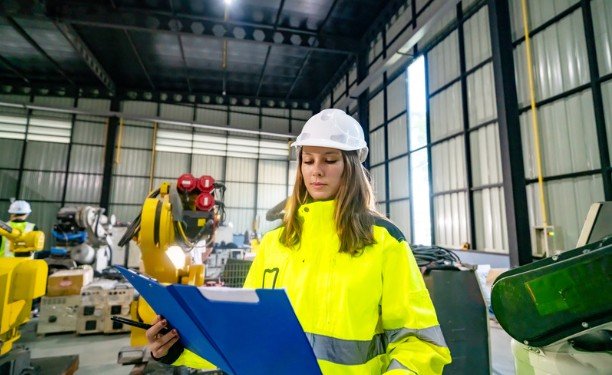
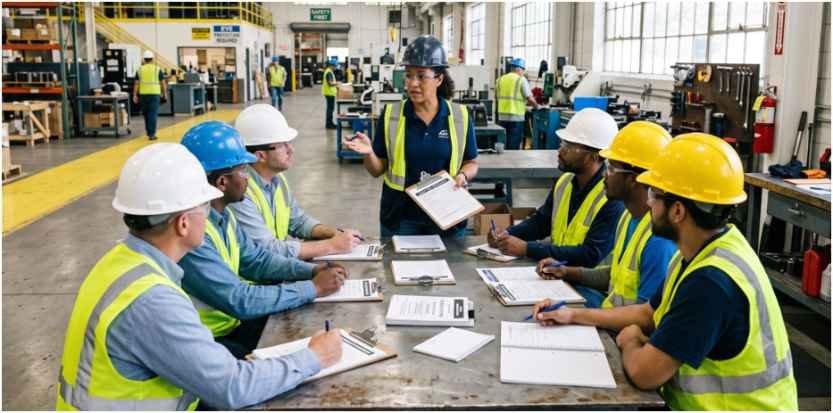
The team should include people who understand safety requirements and daily operations. Depending on the workplace, participants may include a safety professional, supervisor, maintenance technician, equipment operator, employee representative, or occupational health specialist.
Employee involvement is essential. Workers often know about intermittent problems that are not visible during a scheduled walkthrough. They may identify controls that are difficult to use, equipment that fails under certain conditions, rushed procedures, uncomfortable postures, blocked sightlines, or tasks that produce frequent near misses.
Team members should understand the inspection scope, reporting process, required PPE, emergency procedures, and their authority to stop an immediately dangerous activity.
Step 4: Create a Site-Specific Checklist
A checklist improves consistency, but a generic form should never limit observation. Customize the checklist around the workplace’s actual equipment, materials, processes, and incident history.
Review housekeeping, walking surfaces, emergency exits, fire protection, alarms, electrical systems, machine guarding, lockout procedures, chemical storage, ventilation, noise, heat, lifting practices, ergonomics, PPE, vehicles, sanitation, first aid, and emergency readiness.
Do not overlook biological hazards, fatigue, repetitive work, workplace violence, temporary employees, contractors, staffing pressures, maintenance operations, and severe-weather procedures.
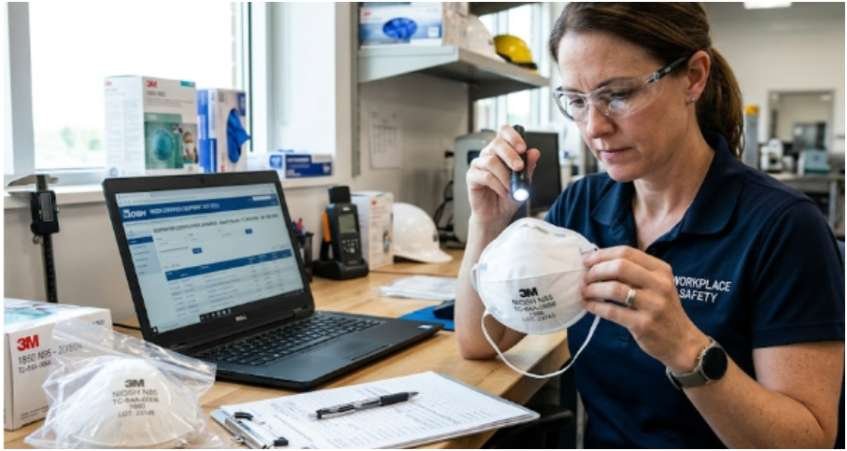
Bring suitable PPE, a flashlight, an approved camera or mobile device, measuring instruments when required, facility maps, and a dependable method for recording findings.
Step 5: Observe Work and Interview Employees

Inspect work as it is actually performed. Do not limit the walkthrough to idle machines or areas prepared for visitors. Observe equipment startup, cleaning, loading, maintenance, material movement, production changeovers, and interactions between employees and vehicles.
Ask employees open and nonpunitive questions:
Which task feels most hazardous? What happens during busy periods? Which safety control is difficult to use? Have there been recent near misses? What change would make the task safer?
Avoid blaming workers automatically. Unsafe behavior may be connected to poor equipment design, inadequate training, unavailable tools, production pressure, or an impractical procedure.
Correct simple hazards immediately when it is safe to do so. Serious or imminent dangers may require stopping the affected activity and following the organization’s emergency escalation process.
Step 6: Document and Prioritize Findings
Record findings clearly enough that another person can understand the problem without visiting the location. Include the exact area, unsafe condition, affected task, exposed employees, photographs, measurements, worker comments, and temporary controls.
Avoid vague notes such as “improve housekeeping.” Instead, identify the leaking connection, the liquid entering a pedestrian route, the exposure created, and the immediate action taken.
Prioritize each hazard by considering severity, likelihood, exposure frequency, number of people affected, and reliability of existing controls. Imminent and potentially fall hazards should receive immediate attention.
Permanent corrections should follow the hierarchy of controls. Eliminating the hazard, substituting a safer material, or installing an engineering control usually provides more dependable protection than warnings, procedures, or PPE alone.
Step 7: Assign and Verify Corrective Actions
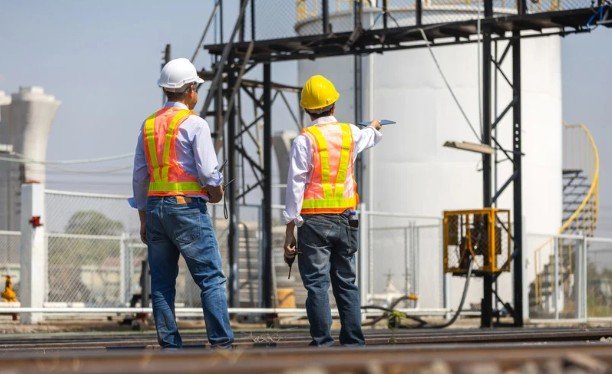
To avoid penalties for workplace safety violations, every finding should have a named owner, required action, target date, risk level, and current status. The responsible person must have the authority and resources needed to complete the correction.
Temporary measures should not become permanent solutions. A barricade, equipment shutdown, warning sign, or additional PPE may reduce immediate exposure, but the underlying problem still requires a lasting correction.
A qualified person should verify that the work was completed, functions under real operating conditions, and has not introduced another hazard. Open and overdue findings should remain visible until they have been corrected and verified.
Recurring findings should be used to improve training, purchasing, maintenance, supervision, and work procedures.
Common Workplace Inspection Mistakes
Frequent mistakes include relying on a generic checklist, inspecting only visible physical hazards, excluding employees, overlooking contractors, writing vague observations, and treating every finding as equally urgent.
Another serious mistake is considering a hazard closed when someone reports that the work was completed. Corrections must be verified in the field.
Success should not be measured only by the number of findings. A stronger program measures whether high-risk hazards are corrected promptly, recurring problems decline, employees participate, and controls remain effective.
Frequently Asked Questions
1. How long does a workplace safety inspection take?
A focused equipment inspection may take only a few minutes. A complete facility inspection may require several hours or separate visits across different shifts.
2. Who should conduct a safety inspection?
A competent team should include people familiar with safety requirements and the operations being examined. Employee participation is important because workers understand how tasks are performed under normal and unusual conditions.
3. What is the most important step in how to conduct a workplace safety inspection?
The most important step is closing the corrective-action cycle. Identifying a hazard provides little protection unless someone controls it, accepts responsibility, meets a deadline, and verifies that the solution works.
4. How often should findings be reviewed?
High-risk and overdue findings should be reviewed frequently until resolved. Overall inspection trends should also be evaluated regularly to identify recurring hazards and ineffective controls.
Final Takeaways
I see workplace inspections as practical conversations between employees, supervisors, equipment, and the working environment. A strong inspection does not stop after finding defects. It studies real work, records precise evidence, prioritizes risk, assigns ownership, and verifies the result.
When I follow this complete process consistently, inspections become more than compliance activities. They become early-warning systems that prevent injuries, strengthen employee trust, and turn everyday observations into measurable safety improvements.