Latest posts

  • How to Verify a NIOSH-Approved Respirator: 5 Steps

    How to Verify a NIOSH-Approved Respirator: 5 Steps

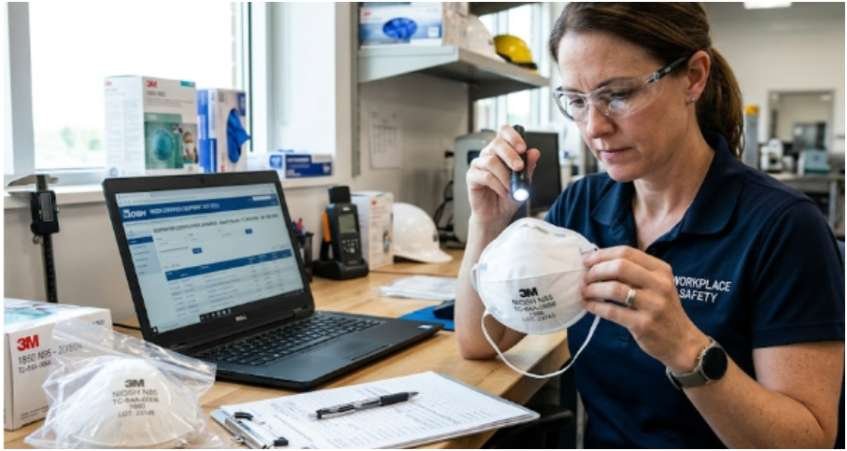
    A respirator can display “N95” and still fail an authenticity check. When I explain how to verify a NIOSH-approved respirator, I use a three-way match: the facepiece, package label, and government record must describe the same product. A logo or TC number alone is not enough. NIOSH evaluates respirators used in U.S. workplaces. Every approved…

    Read more

  • Half Mask vs Full Face Respirator Protection Factors: What APF Really Means

    Half Mask vs Full Face Respirator Protection Factors: What APF Really Means

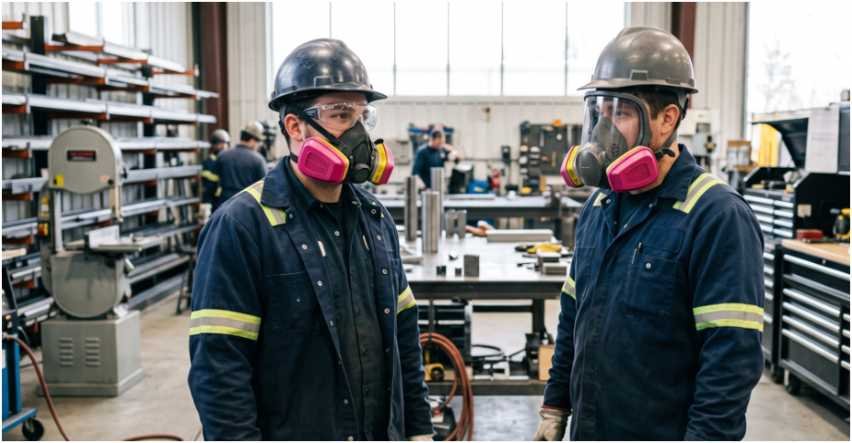
    A respirator can look substantial and still provide the wrong protection. The key difference in half mask vs full face respirator protection factors is direct: OSHA gives a negative-pressure half-mask air-purifying respirator an APF of 10 and a full facepiece an APF of 50. That fivefold gap matters only when the respirator fits, the cartridge…

    Read more

  • Can You Wear a Respirator With Facial Hair? OSHA Rules

    Can You Wear a Respirator With Facial Hair? OSHA Rules

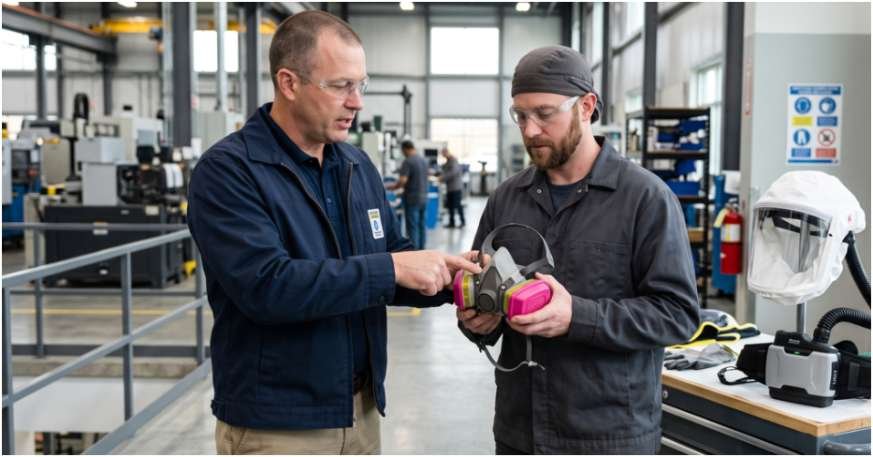
    A beard can turn a highly rated respirator into poorly fitting equipment. So, can you wear a respirator with facial hair? Only when no hair enters the sealing surface or interferes with a valve. A full beard usually rules out tight-fitting N95s, elastomeric facepieces, PAPRs, and SCBA masks. When I evaluate this question, I ignore…

    Read more

  • How To Choose Respirator Cartridges For Workplace Chemicals

    How To Choose Respirator Cartridges For Workplace Chemicals

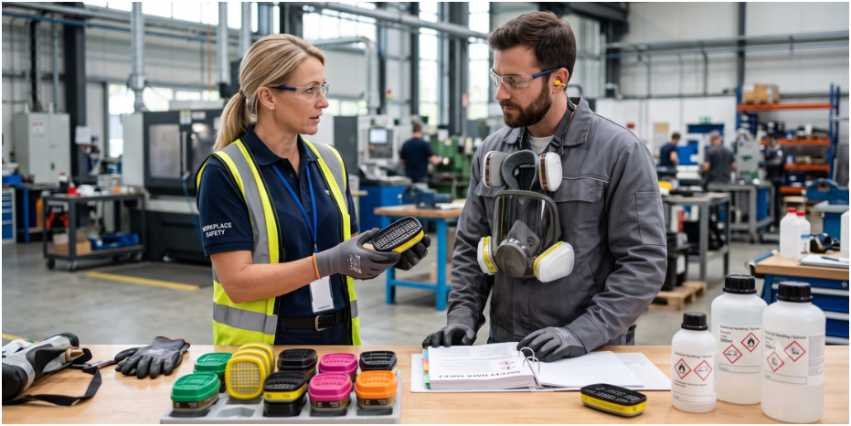
    The wrong cartridge can look right, fit the facepiece, and still offer no protection against the chemical in the air. When I assess how to choose respirator cartridges for workplace chemicals, I start with the contaminant and measured exposure—not a familiar color or product number. Cartridge selection must sit inside an OSHA-compliant respiratory protection program.…

    Read more

  • OSHA Respirator Fit Testing Requirements for Employees

    OSHA Respirator Fit Testing Requirements for Employees

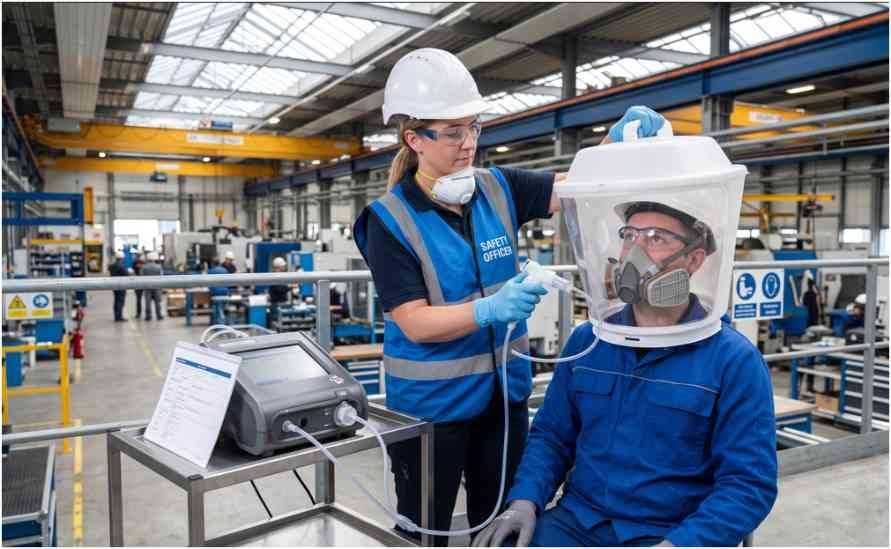
    A respirator can be approved yet still fail if air leaks around the face seal. That is why OSHA respirator fit testing requirements for employees focus on the worker, the exact facepiece, and actual wearing conditions. I use three gates: medical clearance, a passed test on the assigned respirator, and a successful seal check before…

    Read more

  • How Often Should Respirator Cartridges Be Replaced?

    How Often Should Respirator Cartridges Be Replaced?

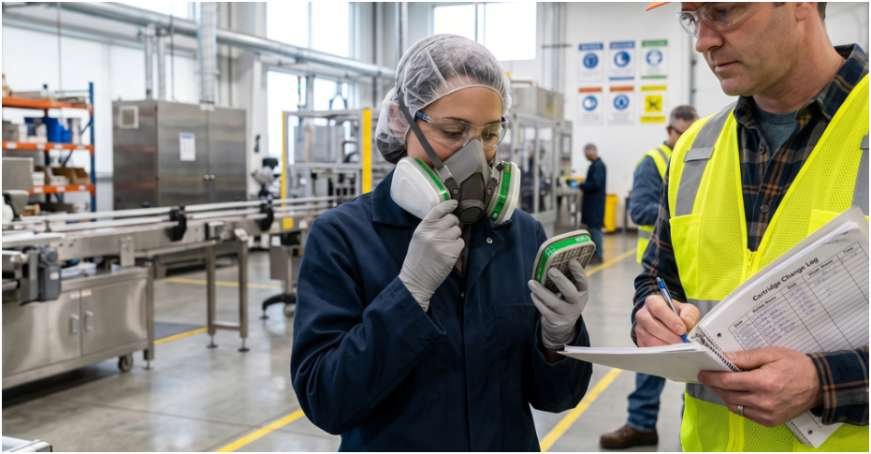
    A cartridge can look clean while its protective material is nearly exhausted. That is why the answer to how often should respirator cartridges be replaced cannot come from appearance alone. I treat replacement as a documented safety control, not a calendar guess. Some cartridges may need changing before a shift ends. Others may remain usable…

    Read more

  • Qualitative vs Quantitative Respirator Fit Testing

    Qualitative vs Quantitative Respirator Fit Testing

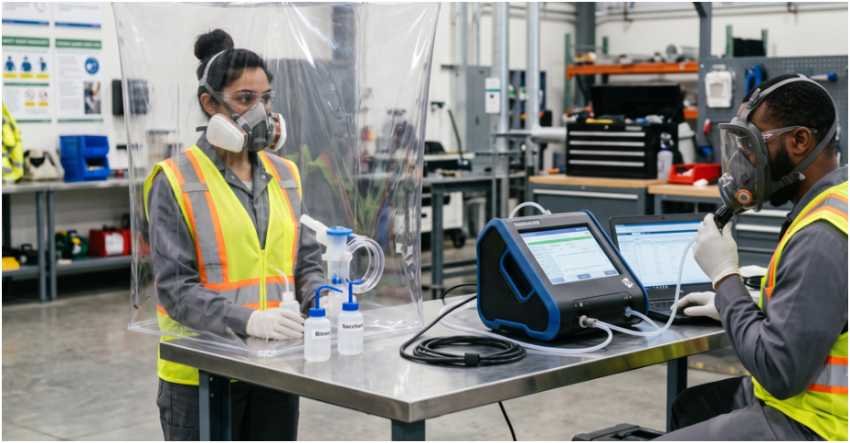
    A respirator can look secure while leaking at the nose, cheeks, or chin. That is why qualitative vs quantitative respirator fit testing matters. Both methods confirm whether a specific facepiece seals to a specific worker, but they produce different evidence. When I compare testing options, I start with the required protection level. Cost comes later.…

    Read more

  • How To Perform A Respirator User Seal Check Safely

    How To Perform A Respirator User Seal Check Safely

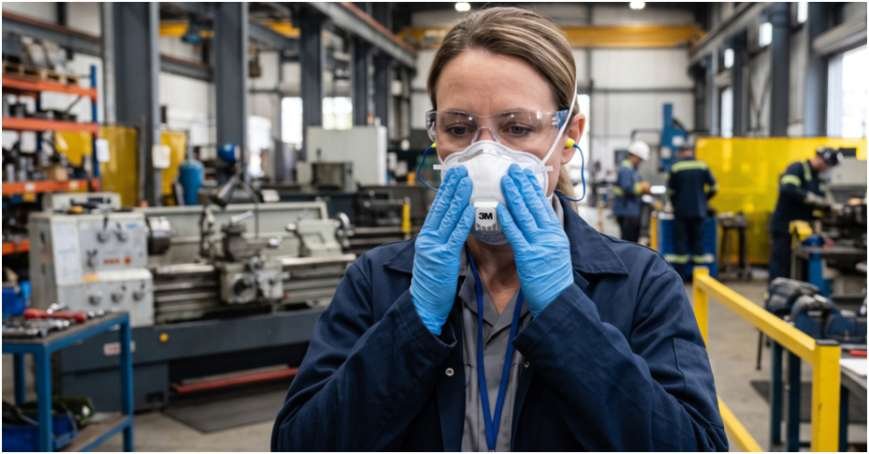
    A respirator may look secure while leaking around the nose, cheeks, or chin. Knowing how to perform a respirator user seal check helps you detect those gaps before entering a hazardous area. I treat the seal check as a go-or-no-go decision. It takes only seconds, yet it confirms whether the facepiece is seated correctly at…

    Read more