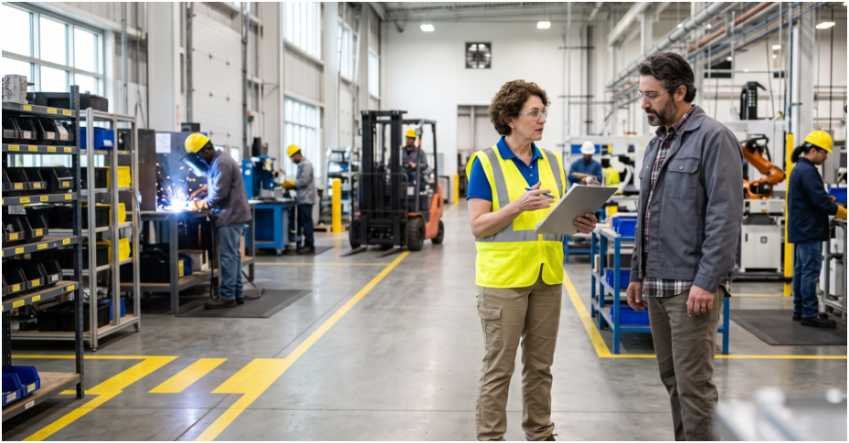
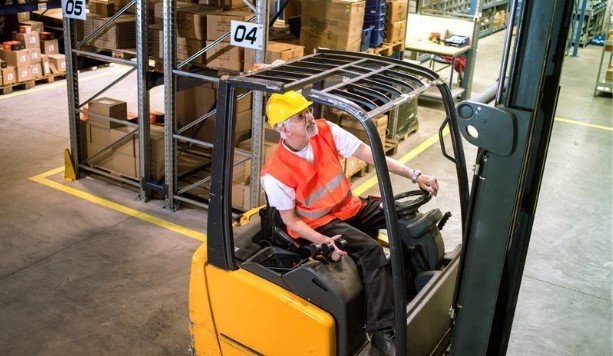
I have seen how quickly a warehouse aisle can become dangerous when a forklift and pedestrian enter the same space without a clear plan. A driver may be watching the load while a worker assumes the operator has already seen them.
Following forklift safety rules for operators and pedestrians removes that uncertainty by defining who must stop, where people may walk, and how shared traffic areas should be controlled.
Forklift safety is not only the driver’s responsibility. Operators, pedestrians, supervisors, contractors, and visitors all affect collision risk. Effective workplaces combine trained drivers, alert workers, physical separation, controlled speeds, and consistent enforcement.
Why Forklifts Create Serious Pedestrian Hazards
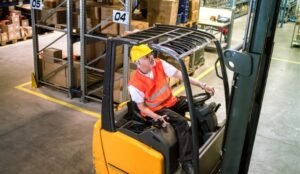
Forklifts behave differently from passenger vehicles. Rear-wheel steering makes the back of the truck swing outward during turns. Loads can block the forward view, while the mast and attachments create blind spots. A loaded truck may also require more stopping room on wet, uneven, or congested surfaces.
Because forklifts often travel slowly, pedestrians may underestimate them. Yet their weight and limited visibility can turn one wrong step into a crushing or struck-by incident.
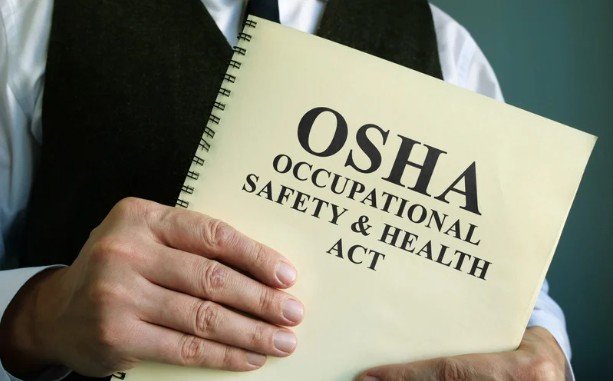
OSHA Requirements Employers Should Understand
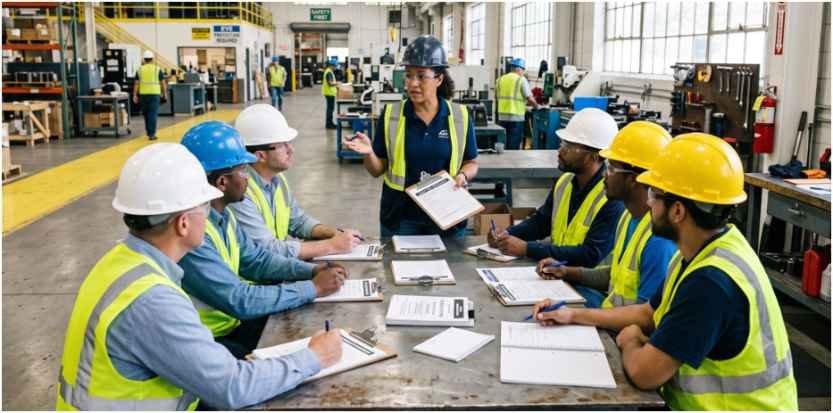
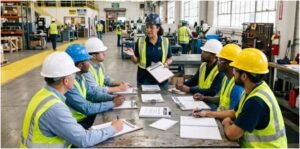
OSHA requires employers to ensure powered industrial truck operators are trained and competent. Training must address the truck type, workplace conditions, pedestrian traffic operations, load handling, restricted visibility, surface conditions, and site-specific hazards. It must include formal instruction, practical exercises, and a workplace evaluation.
Refresher training is required after unsafe operation, an accident or near miss, a failed evaluation, assignment to a different truck, or a workplace change affecting safety. Operator performance must also be evaluated at least once every three years.
Permanent aisles and passageways must be appropriately marked where mechanical handling equipment is used. Employers should also evaluate barriers, pedestrian lanes, controlled crossings, mirrors, signs, warning devices, and site-specific speed limits.
Forklift Safety Rules for Operators
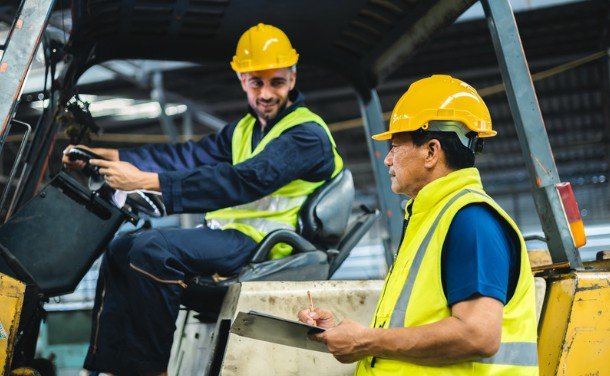
Inspect the Truck Before Use
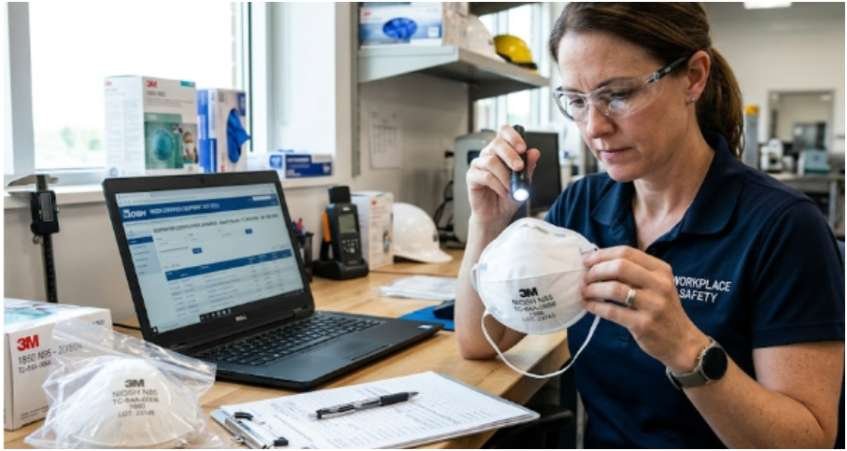
Operators should check the tires, forks, mast, chains, brakes, steering, horn, lights, warning devices, seat belt, and hydraulic system. A truck with a safety-related defect should be removed from service.
Maintain a Clear View
Operators must look in the direction of travel and should not move without a clear route. If a load blocks the forward view, they may need to travel in reverse when safe or use a trained spotter. At blind corners, doorways, cross aisles, and intersections, drivers should slow down and sound the horn.
Yield and Control Speed
Operators should stop when pedestrians cross their route and continue only after the path is clear. Eye contact helps communication but does not replace a full stop.
There is no single safe speed for every facility. Speed should reflect the truck, load, stopping distance, floor condition, visibility, and pedestrian activity. Drivers should slow before turns and avoid sudden braking or steering and follow general rules and techniques for drivers.
Handle Loads and Parking Safely
Loads should be stable, centered, and carried only as high as necessary. No one should stand or pass beneath raised forks or an elevated load. Riders are prohibited unless the truck has an approved riding position.
When leaving a forklift unattended, the operator should lower the forks, neutralize the controls, set the brake, and shut off the power. The truck must not block exits, fire equipment, walkways, or emergency access.
Forklift Safety Rules for Pedestrians
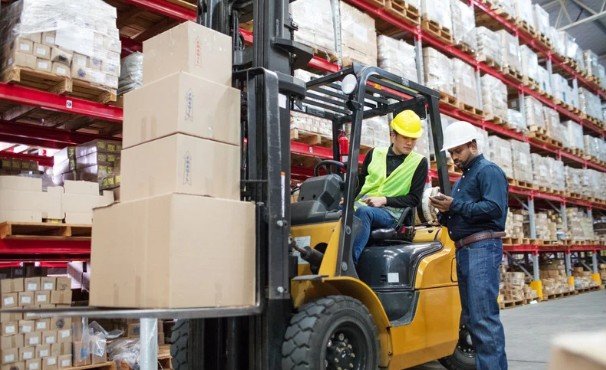
Use Marked Routes
Pedestrians should stay inside designated walkways and use controlled crossings. Shortcuts through loading zones, staging areas, trailers, or active aisles expose workers to traffic from several directions.
Stop, Look, and Confirm
To reduce manual handling injuries at work and avoid vehicle-related incidents, pedestrians should stop, look both ways, make eye contact, and wait for a clear signal before crossing a forklift route. They should never assume a horn, flashing light, or alarm means the driver has seen them.
Stay Outside the Operating Zone
Workers must allow space for the rear swing, turning radius, forks, load, and stopping distance. One universal separation distance cannot suit every workplace, so employees should follow site-specific exclusion zones.
Avoid Distractions
Phones, headphones, conversations, and paperwork can hide the sound or movement of an approaching truck. High-visibility clothing may improve recognition where required, but it cannot replace attention or physical separation.
Employer Controls That Prevent Collisions
The strongest protection is separating people from forklifts wherever practical. Fixed barriers, guardrails, gates, dedicated walkways, one-way routes, and controlled crossings reduce reliance on human reaction.
Employers should install mirrors at blind intersections, maintain lighting, keep aisles clear, repair damaged floors, and prevent materials from blocking sightlines. Traffic rules should also cover visitors, contractors, delivery drivers, and temporary workers.
Frequently Asked Questions
1. Who Has the Right of Way?
The operator should yield, stop when a pedestrian enters the route, and wait until the person has moved clear. Controlled crossings and physical separation remain safer than relying only on right-of-way expectations.
2. What Are the Most Important Forklift Safety Rules for Operators and Pedestrians?
Operators should maintain visibility, control speed, yield, sound the horn at blind locations, and stabilize loads. Pedestrians should use marked routes, avoid distractions, confirm that drivers see them, and stay clear of turning trucks and raised loads.
3. Does OSHA Require a Fixed Speed Limit?
OSHA does not provide one universal numerical limit. Employers must establish safe travel practices based on the truck, load, stopping distance, surface, visibility, and pedestrian traffic.
4. How Far Should Pedestrians Stay Away?
The safe distance depends on the truck, load, speed, route, visibility, and task. Site-specific exclusion zones should account for stopping distance, rear swing, turning radius, and load movement.
Final Takeaways
I believe forklift safety improves most when everyone knows what is expected before a truck begins moving. Driver training is essential, but safe walkways, controlled crossings, alert pedestrians, supervision, and physical separation complete the system.
When a workplace consistently applies forklift safety rules for operators and pedestrians, it replaces assumptions with predictable actions and gives everyone a better chance of finishing the shift without injury.