A box can look harmless until it is lifted hundreds of times during a shift. A loaded cart can roll smoothly until a damaged wheel turns a routine push into a strain. I have learned that preventing these injuries requires more than telling employees to lift correctly.
Understanding how to reduce manual handling injuries at work begins with changing the task, equipment, and environment before asking workers to compensate for a hazard.
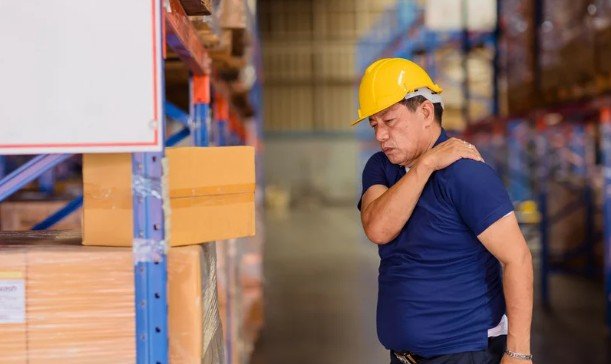
Manual handling includes lifting, lowering, carrying, pushing, pulling, holding, or moving a person or object. Injuries may happen suddenly or develop through repetition. A strong prevention program should identify exposure, redesign hazardous work, provide suitable equipment, and verify that controls remain effective.
Identify High-Risk Manual Handling Tasks
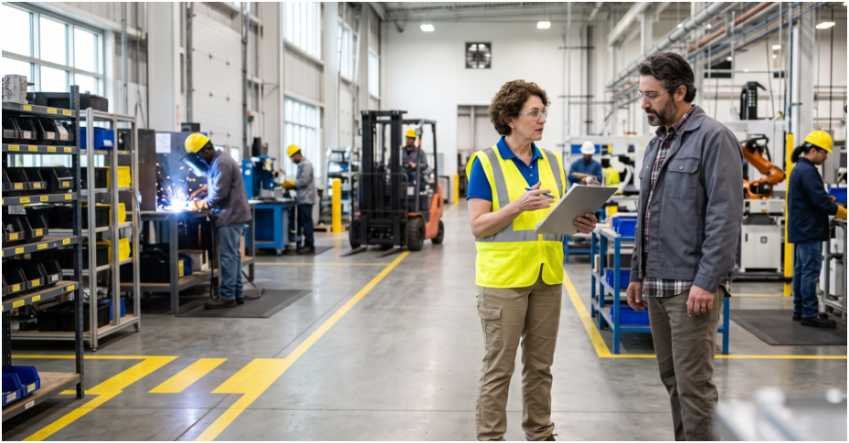
Observe how work is actually performed. Watch employees lift, carry, push, position, and store materials. Look for heavy or unstable loads, repeated movements, long reaches, floor-level lifting, overhead storage, twisting, one-handed carrying, and restricted spaces.
As part of reviewing ladder safety rules for employers and other workplace controls, speak with the employees doing the job. They often know which package is hard to grip, which cart pulls sideways, or which workstation causes discomfort. Ask where fatigue develops and when help is needed. Early reports can reveal a problem before it becomes a serious injury.
Assess the Task, Load, Worker, and Environment
Examine four connected factors. The task includes frequency, duration, travel distance, posture, and required force. The load includes its weight, size, shape, stability, and handholds. Worker factors include experience, capability, fatigue, and training. Environmental factors include space, flooring, lighting, slopes, obstacles, and storage height.
Do not treat one weight number as a universal safe limit. A lighter object may still create risk when it is bulky, unstable, repeatedly lifted, held away from the body, or moved between floor and shoulder height.
Follow the Hierarchy of Controls
Eliminate Unnecessary Handling
The most effective option is removing the movement. Materials may be delivered directly to the point of use, stored closer to the workstation, or handled at another production stage. Suppliers may also provide smaller containers, better packaging, or built-in handholds.
Redesign the Task and Workplace
Store frequently handled objects between roughly mid-thigh and chest height where practical. Adjust surfaces so employees can keep loads close without bending or reaching. Shorten carrying distances, widen congested aisles, and arrange materials in the order they are used.
Reduce twisting by allowing workers to turn with their feet. Turntables, adjustable platforms, conveyors, and height-adjustable carts can improve positioning.
Use Mechanical Handling Aids
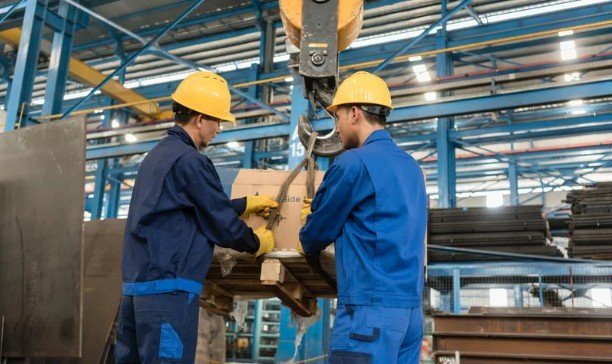
When handling cannot be eliminated, consider hoists, pallet positioners, lift tables, dollies, powered carts, conveyors, vacuum lifters, drum handlers, or patient-handling devices.
Equipment must match the task. A cart with damaged wheels, an awkward handle, or insufficient capacity may introduce another hazard. Inspect handling aids, keep paths clear, and store equipment where employees can reach it easily.
Improve Lifting, Carrying, Pushing, and Pulling
Before lifting, employees should check the destination, footing, grip, and available space. Loads should remain close to the body, while sudden jerking and twisting should be avoided.
Team lifting may help with awkward items, but it should not replace suitable equipment. One person should coordinate the movement so everyone lifts, turns, and lowers together.
Pushing is usually easier to control than pulling because the worker can face the direction of travel. Keep handles at a comfortable height, maintain wheels, avoid overloading, and remove damaged carts from service. Slopes, debris, and uneven floors can sharply increase the force required.
Provide Task-Specific Training
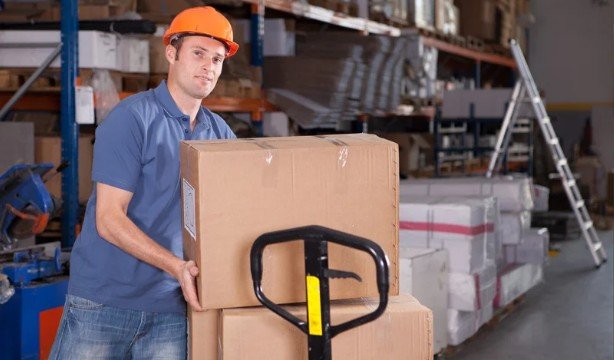
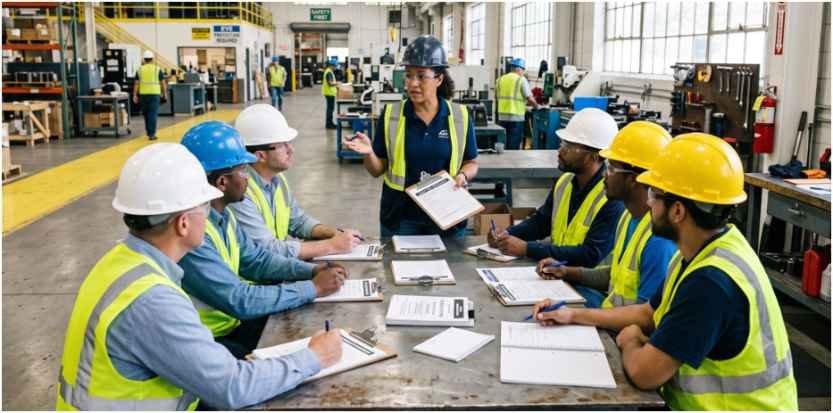
Generic demonstrations are not enough. Training should reflect the loads, workstations, equipment, and conditions employees encounter. Workers should learn to recognize risk factors, adjust equipment, test a load, request assistance, and report defects or discomfort.
Supervisors should reinforce the approved method without encouraging employees to sacrifice safety for speed. Refresher instruction is useful after process changes, incidents, or repeated unsafe practices.
Manage Repetition, Fatigue, and Workload
Repetitive handling can remain hazardous even when each load feels manageable. Rotate employees only when alternative tasks use different movements and muscle groups. Moving workers between similar lifting jobs does not provide meaningful recovery.
Reasonable pacing, adequate staffing, recovery time, and planned breaks can reduce fatigue. Reassess exposure during overtime, peak demand, or staffing shortages.
Check Whether Controls Are Working
Review injury reports, near misses, discomfort complaints, equipment use, maintenance records, and employee feedback into action. Observe whether controls are being bypassed and determine why.
Reassess the job after layout, product, packaging, equipment, staffing, or production changes. A control that worked earlier may no longer be effective.
Frequently Asked Questions
1. What Is the First Step in How to Reduce Manual Handling Injuries at Work?
Observe high-frequency and high-force tasks, consult the employees performing them, and determine whether the movement can be eliminated or redesigned. Training should support stronger controls rather than replace them.
2. Are Safe Lifting Techniques Enough?
No. Technique cannot fully control excessive force, repetition, awkward loads, poor storage, long carrying distances, or unsuitable equipment. Prevention should prioritize elimination, redesign, and mechanical assistance.
3. When Should a Manual Handling Assessment Be Reviewed?
Review it after an injury or near miss, when workers report discomfort, and whenever the load, layout, equipment, process, staffing, or work pace changes.
4. Can Job Rotation Reduce Risk?
Yes, when workers move to genuinely different tasks that allow affected muscles to recover. Rotation among similar lifting or reaching jobs may simply spread the same exposure.
Closing Perspective
I see manual handling safety as a design challenge, not a test of employee strength. The best results come from removing unnecessary lifts, improving storage and workstation height, providing accessible handling aids, maintaining equipment, controlling fatigue, and listening to worker concerns.
When these controls are reviewed as the job changes, the workplace becomes safer without relying on employees to work around preventable hazards.