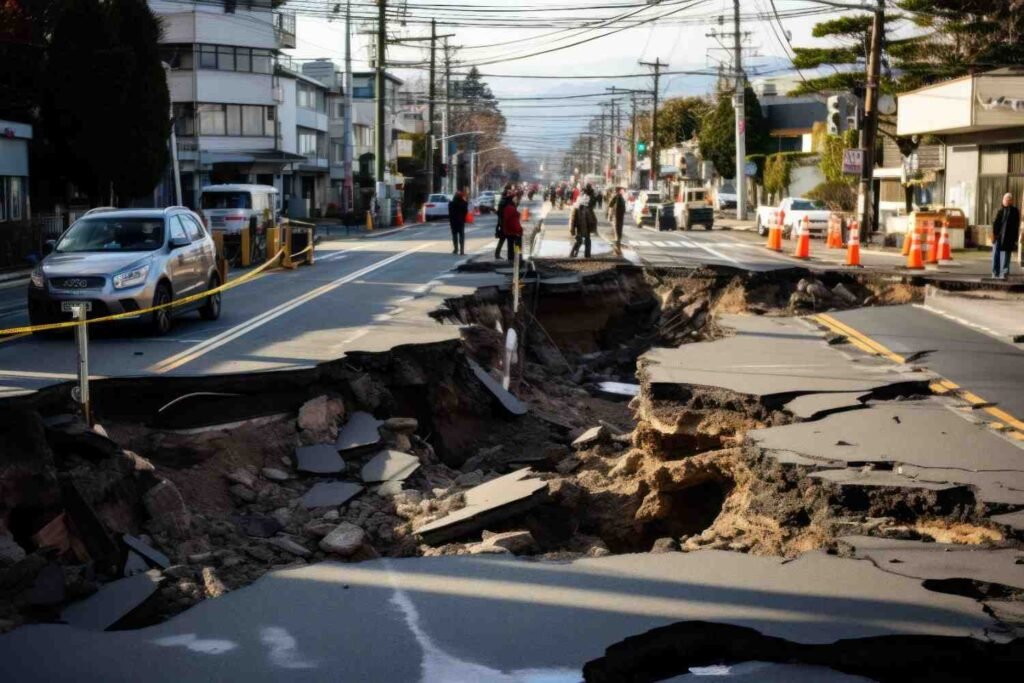
An earthquake can fill an apartment with broken glass, fallen furniture, and blocked halls. I cannot reinforce a rental building’s foundation or alter shared gas lines, but I can reduce hazards inside my home.
This California earthquake preparedness checklist for renters explains how I secure belongings, organize portable supplies, protect records, and respond before, during, and after shaking.
What Should Renters Check Before an Earthquake?
I ask the landlord where residents should gather, which stairwells to use, how management will send updates, and who may shut off the main gas supply. I save the maintenance number and an out-of-area contact digitally and on paper.
I walk every exit route and never rely on an elevator. I report objects that could block shared corridors. If someone has mobility, medical, sensory, or communication needs, I plan accessible help and supplies. In an older building, I ask about seismic evaluation or retrofitting, but leave structural work to the owner.
How Can I Secure an Apartment Without Damaging the Walls?
I read the lease before drilling, anchoring furniture, or making permanent changes. When anchors are allowed, I request written permission or ask maintenance to install them. Otherwise, I use renter-friendly earthquake safety methods.
No-drill straps can secure televisions, computers, and top-heavy monitors to sturdy desks. Properly installed tension poles can brace tall bookcases between the unit and ceiling. I move heavy books, cast-iron pans, appliances, and glass décor to lower shelves. Adhesive child-safety latches keep cabinets closed, while museum putty and nonslip liners stabilize smaller objects.
I move my bed away from windows, mirrors, framed art, hanging plants, and tall furniture. California guidance identifies top-heavy furniture, weak cabinet latches, high-shelf objects, and mirrors over beds as common hazards.
Which Earthquake Emergency Kits Do Apartment Renters Need?
I split supplies into three smaller kits because one oversized container may be hard to carry. I prepare for at least 72 hours. CEA guidance recommends three days of food, water, and gear, including at least one gallon of water per person per day, nonperishable food, a manual can opener, first aid supplies, power banks, medications, document copies, and small bills.
What Goes in a Renter’s Go-Bag?
I keep a go-bag near the front door or in my car without blocking an exit. It contains a first aid kit, flashlight, charger, power bank, whistle, mask, medications, water pouches, snacks, hygiene items, a paper map, and cash in $1 and $5 bills. For pets, I add food, water, a leash, and records.
What Belongs in a Stay-Box?
I store a stay-box in a low closet or under the bed. It holds water, shelf-stable food, a manual can opener, radio, batteries, sanitation supplies, work gloves, tools, and pet supplies. I may include a utility wrench, but I first ask management who handles the central gas valve. I never shut off shared gas automatically; I follow official instructions.
Why Keep a Bedside Earthquake Kit?
I secure a pouch to the bed frame with thick-soled shoes, leather work gloves, and a flashlight. This helps me avoid broken glass after a nighttime quake. CEA also recommends keeping sturdy shoes near the bed.
How Should Renters Protect Insurance Records and Valuables?
Standard California renters insurance generally does not cover direct earthquake damage. I discuss separate coverage with my agent and compare personal-property limits, deductibles, exclusions, and loss-of-use benefits. CEA (The Council of Economic Advisers) renters policies can cover belongings and additional living expenses when earthquake damage or a civil authority prevents a tenant from staying in the rental.
I film every room, closet, cabinet, and drawer, then back up the video to cloud storage. I photograph valuables and save receipts and serial numbers. My emergency pack contains a waterproof, fire-resistant folder with copies of my lease, identification, passport, insurance proof, medical records, prescriptions, and contacts.
How Can California Renters Get Early Earthquake Warnings?
I download the free MyShake app and enable location and emergency alerts. California can send warnings through MyShake, Android Earthquake Alerts, and Wireless Emergency Alerts, sometimes providing seconds to take cover before the strongest shaking arrives.
What Should I Do During and After an Apartment Earthquake?
When shaking starts, I stay indoors and immediately Drop, Cover, and Hold On. I get under a sturdy table, protect my head and neck, avoid windows, and never run for the stairs or stand in a doorway. If I am in bed, I remain there and use a pillow unless an immediate hazard threatens me.
Afterward, I expect aftershocks, put on sturdy shoes, check for injuries, and look or smell for gas leaks, fire, broken glass, or damaged wiring. I use stairs when evacuation is necessary and do not re-enter a damaged building until officials approve it.
Coastal renters should know their tsunami route. After a strong or long earthquake, unusual ocean movement, or a loud ocean roar, I move to higher ground or inland without waiting for an official warning.
Frequently Asked Questions (FAQs)
1. How Much Water Should a California Renter Store?
I aim for at least one gallon per person per day for three days, plus water for pets.
2. Should Renters Turn Off the Building’s Gas?
Not automatically. I ask management who controls the valve, report suspected leaks, avoid flames and switches, and follow instructions.
3. Does Renters Insurance Cover Earthquake-Damaged Belongings?
A standard policy generally excludes direct earthquake damage. I ask about separate coverage and read the exclusions.
4. Is MyShake Useful If I Already Receive Emergency Alerts?
Yes. Different delivery paths make it sensible to enable more than one alert system.
Final Thoughts
A strong California earthquake preparedness checklist for renters does more than fill a backpack. It helps me reduce falling hazards without violating my lease, prepare for utility failures, document my belongings, understand insurance gaps, and organize an emergency food supply for families with food allergies.
I review it whenever I move or my household changes so I can respond safely when shaking begins.