A hurricane, wildfire, winter storm, or power outage can empty grocery shelves within hours. For households managing severe allergies, that disruption is dangerous. Standard survival buckets often contain wheat, milk, soy, sesame, peanuts, or tree nuts, while shelters may not be able to guarantee safe ingredients or prevent cross-contact.
When I build an emergency food supply for families with food allergies, I create an independent system around familiar foods, clear labels, reliable calories, safe preparation, and immediate access to medication. Single-ingredient staples and carefully verified specialty meals can reduce risk, but no packaged product is safe for every allergy.
How Much Allergy-Safe Emergency Food Should Your Family Store?
I recommend two supplies: a portable 72-hour Go-Bag and a 14-day Stay-Bag or home pantry. FAACT advises families to choose familiar, allergy-safe, nonperishable foods that require little or no cooking and to store at least one gallon of water per person per day.
Plan complete meals instead of relying on the “servings” printed on a bucket. Account for age, calorie needs, infant formula, medical nutrition products, and the water required to prepare freeze-dried meals.
Are Gluten-Free or Vegan Survival Kits Allergy-Safe?
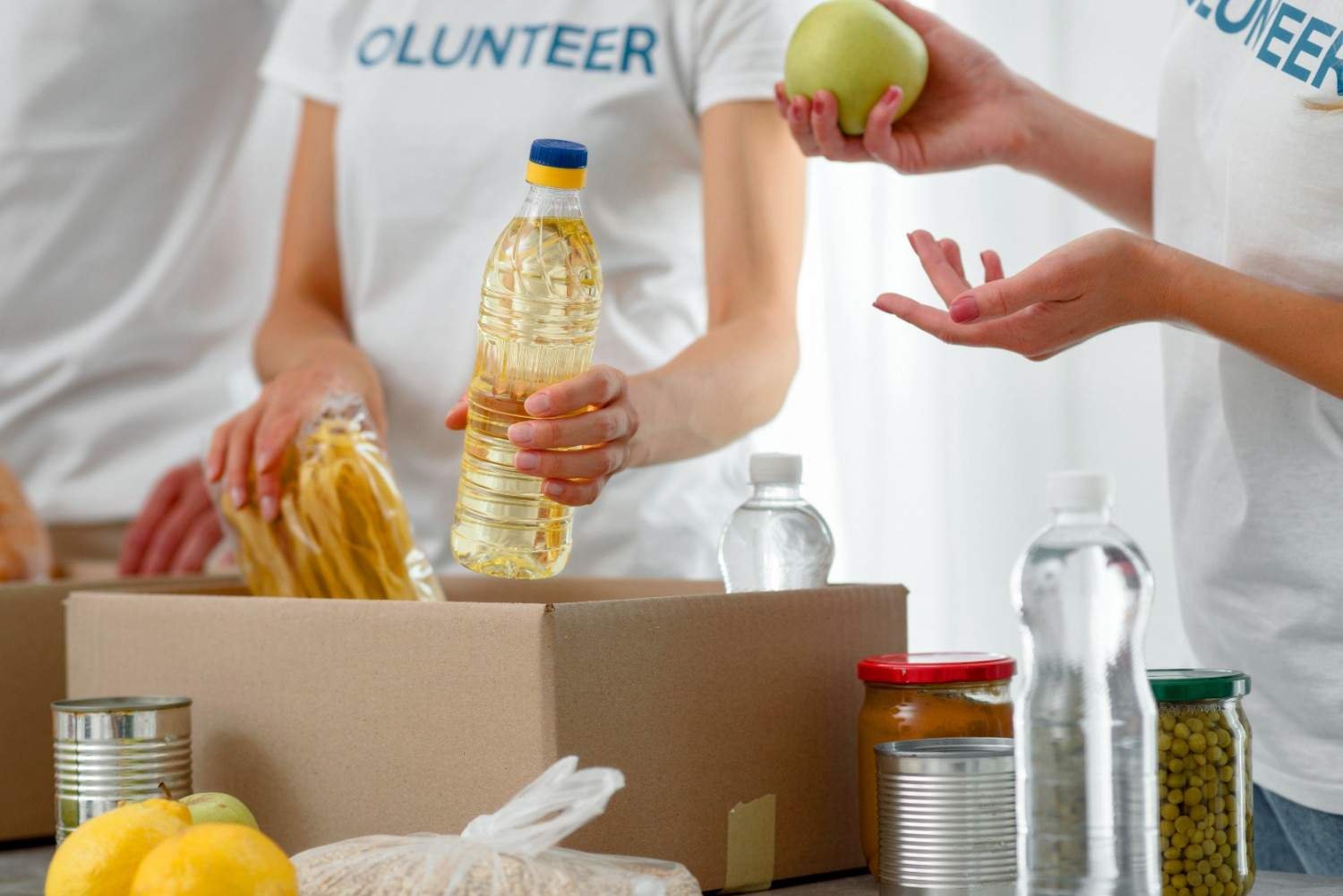
Specialty kits simplify storage, but gluten-free, vegan, and non-GMO do not mean allergen-free. Gluten-free meals may still contain milk, soy, eggs, sesame, peanuts, or tree nuts. Vegan meals may contain wheat, soy, sesame, or nuts. Always check current labels.
Is the Legacy Gluten-Free 72-Hour Kit Suitable?
Legacy’s 32-serving gluten-free kit lists 12,080 calories, six entrees, non-GMO meals, and an advertised shelf life of up to 25 years. It may help some gluten-avoiding households, but every recipe still requires individual review.
Is the ReadyWise 84-Serving Gluten-Free Bucket Safe?
ReadyWise lists 84 servings, 15,420 calories, certified gluten-free meals, about 63 cups of preparation water, and an advertised shelf life of up to 25 years. Verify milk, soy, and other ingredients before storing it.
Is the Backpacker’s Pantry Vegan Kit Allergy-Friendly?
Backpacker’s Pantry offers freeze-dried vegan breakfasts, lunches, and dinners for one person for seven days. Its meals have mixed shelf lives of up to three or ten years. The kit may suit dairy-, egg-, and meat-free needs, but not every other allergy.
Which Single-Ingredient Foods Work for Common Allergies?
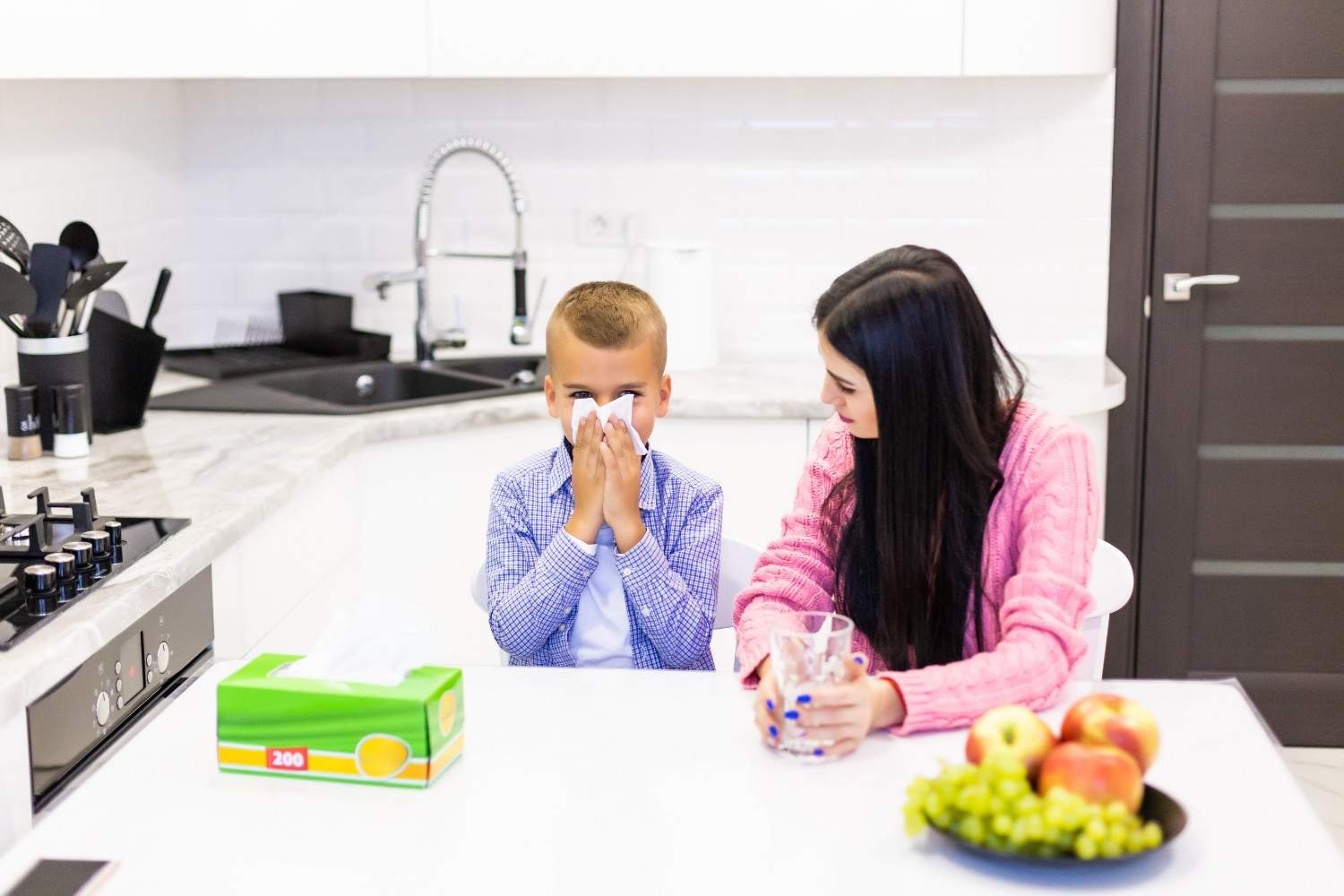
For peanut or tree-nut allergies, consider sunflower seed butter, pumpkin seeds, chickpeas, beans, and tolerated meats. Sunflower butter may provide protein and calories similar to peanut butter, although nutrition varies by brand.
For wheat or gluten avoidance, use rice, quinoa, certified gluten-free oats, canned potatoes, corn tortillas, and labeled crackers. Choose certified gluten-free oats when cross-contact is a concern.
For milk allergies, consider shelf-stable oat or rice milk, tolerated canned coconut milk, beans, fish, and canned meat. Coconut milk can add fat and calories when it is safe for that person.
For soy allergies, choose plain beans, lentils, canned chicken, tuna, or approved proteins. Products packed in water or olive oil may have simpler labels, but I still read the full ingredient list.
How Can You Build No-Cook Emergency Meals?
Plan meals that work without refrigeration or cooking. Breakfast might combine approved cereal, shelf-stable milk, and fruit. Lunch could pair tuna or chickpeas with safe crackers and applesauce. Dinner could use ready-to-eat rice, beans, canned vegetables, and a trusted sauce.
Store small containers when opened products require refrigeration, and include familiar comfort foods for children. Never operate grills, camp stoves, or fuel-burning equipment in an enclosed area.
How Do You Prevent Cross-Contact in a Go-Bag?
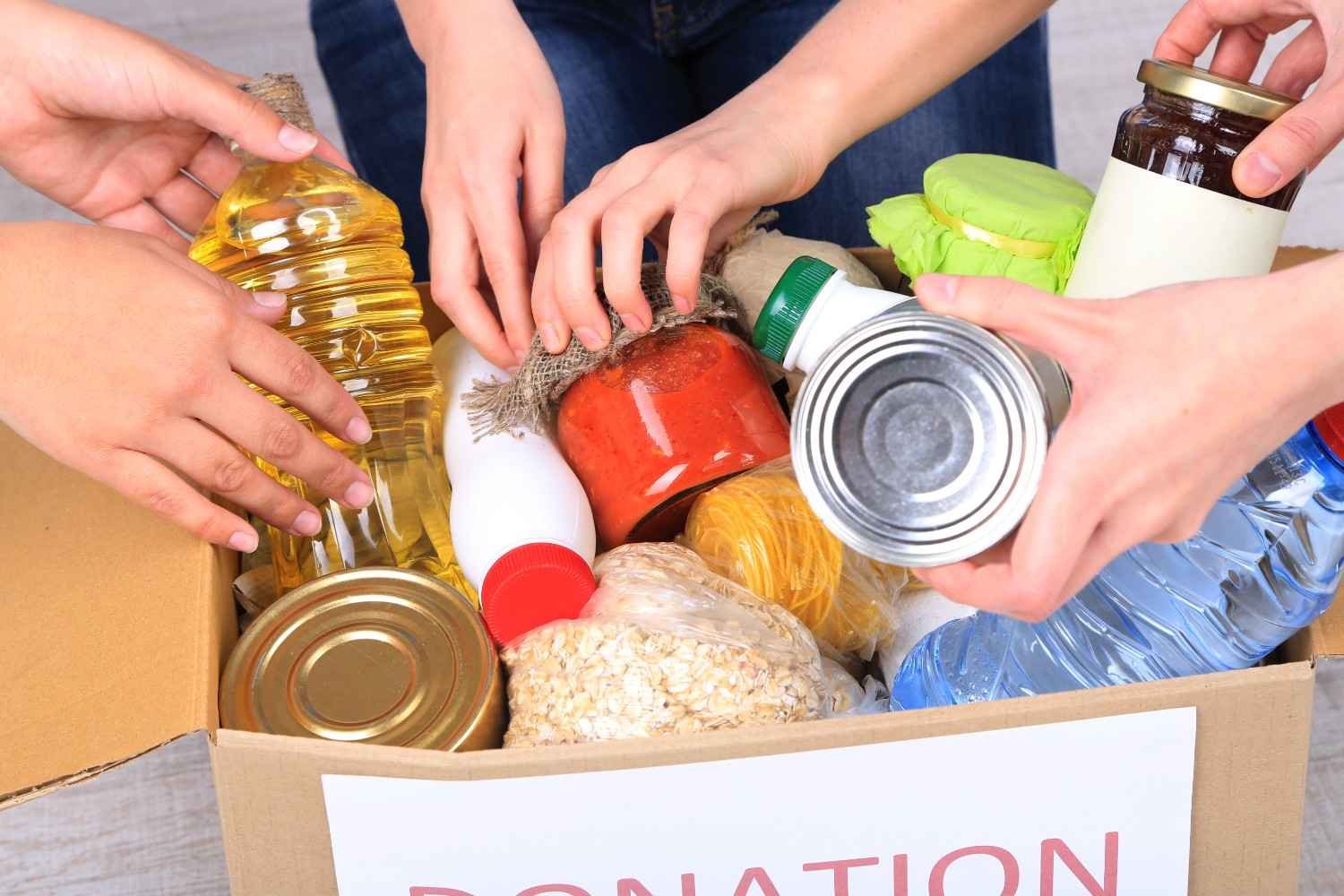
Keep food in its original packaging so caregivers can review ingredients, warnings, lot codes, and expiration dates. Store the allergic family member’s food in a sealed, brightly colored bin away from the general supply.
Pack dedicated dishes, utensils, paper towels, soap, cleaning wipes, resealable bags, and two manual can openers. A broken opener should not make the canned food inaccessible.
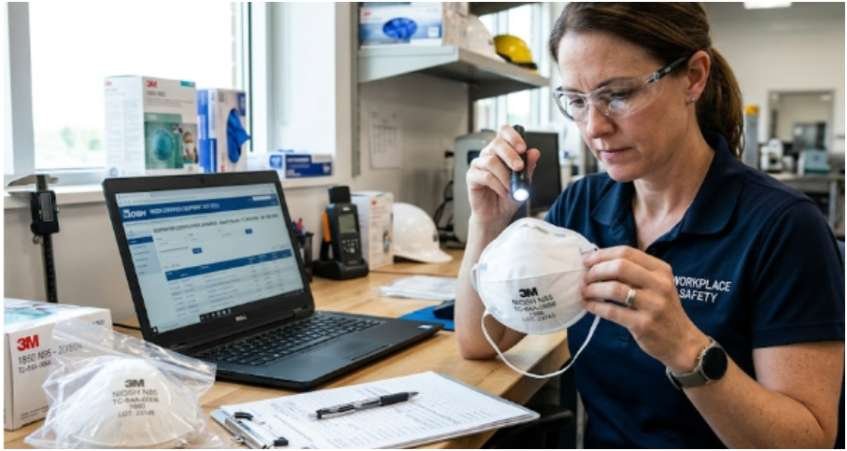
The FDA recognizes nine major US allergens: milk, eggs, fish, crustacean shellfish, tree nuts, peanuts, wheat, soybeans, and sesame. Required labels identify major allergens used as ingredients, but “may contain” statements are voluntary. Recheck labels whenever you rotate food.
What Medication and Documents Should You Pack?
Keep at least two unexpired epinephrine devices when prescribed, plus other medications recommended by the family’s allergist. Follow storage instructions and keep medication accessible.
Include a printed Food Allergy and Anaphylaxis Emergency Care Plan, physician and pharmacy contacts, insurance information, prescriptions, and a safe-brand list. FARE recommends keeping essential food, medical supplies, and documentation in a grab-and-go bag and identifying severe allergies at shelters.
How Often Should You Rotate Emergency Food?
Inspect supplies every three to six months. Record quantities, expiration dates, allergens, preparation-water needs, and storage locations. Use older items in regular meals and replace them with newly verified packages.
During an outage, keep refrigerator and freezer doors closed. The CDC says food generally remains safe for four hours in a closed refrigerator, 48 hours in a full closed freezer, and 24 hours in a half-full closed freezer. Never taste questionable food to test it.
Frequently Asked Questions (FAQs)
1. Can a shelter guarantee allergy-safe meals?
Not always. Declare the allergy immediately and keep personal food, medication, and the written action plan accessible.
2. Are single-ingredient foods completely cross-contact-free?
No. Processing and packaging can introduce risk, so review labels and contact manufacturers when information is unclear.
3. What emergency food is best for children with multiple allergies?
Choose familiar, calorie-appropriate foods the child already tolerates, with simple labels, no-cook preparation, and individual packaging.
4. Should I Buy a Survival Bucket or Build My Own Pantry?
A hybrid plan often works best. Combine verified specialty meals with single-ingredient staples, snacks, water, and family-specific foods.
Prepare Safe Food Before the Warning Arrives
I would never wait for an evacuation order to discover that every available meal contains an unsafe ingredient. A well-organized emergency food supply for families with food allergies should complement a tornado preparedness checklist by combining a 72-hour Go-Bag, a 14-day home reserve, verified specialty meals, simple staples, separate storage, backup tools, water, medication, and clear documentation.
Build it gradually and rotate it consistently so every item is safe, accessible, and ready when your family needs it.