I believe a safer workplace begins with noticing risks before they cause an injury. Hazards are not limited to factories, construction sites, or warehouses. They can also appear in offices, shops, healthcare facilities, laboratories, kitchens, and remote workspaces.
Understanding common workplace hazards and how to control them helps employers and employees take practical action instead of waiting for an accident. The most effective approach is to identify the hazard, understand who may be exposed, introduce suitable controls, and check whether those controls continue to work.
What Is a Workplace Hazard?
A workplace hazard is any condition, activity, substance, piece of equipment, or behavior that could cause injury, illness, property damage, or operational disruption.
A hazard is different from a risk. The hazard is the potential source of harm, while risk describes how likely that harm is to happen and how serious the result could be. For example, a wet floor is a hazard, slipping is the event, and a broken bone may be the outcome.
Recognizing this difference helps workplaces prioritize the hazards that require immediate attention.
The Most Common Workplace Hazards
1. Slips, Trips, and Falls
Wet floors, damaged surfaces, trailing cables, loose mats, poor lighting, cluttered walkways, and unsuitable footwear can cause slips and falls.
Controls should begin with removing the cause. Repair damaged flooring, clean spills immediately, provide proper drainage, secure cables, improve lighting, and keep access routes clear. Warning signs can support these measures, but they should not replace permanent repairs or good housekeeping.
2. Manual Handling and Ergonomic Hazards
Lifting heavy loads, repeating the same movement, working in awkward positions, or using poorly designed workstations can strain muscles and joints.
Reduce these risks by redesigning tasks, using lifting equipment, adjusting workstation height, rotating repetitive duties, and placing frequently used items within easy reach. Employees should also receive practical instruction on safe lifting and equipment use.
Office workers may need adjustable chairs, correctly positioned screens, supportive keyboards, and regular movement breaks.
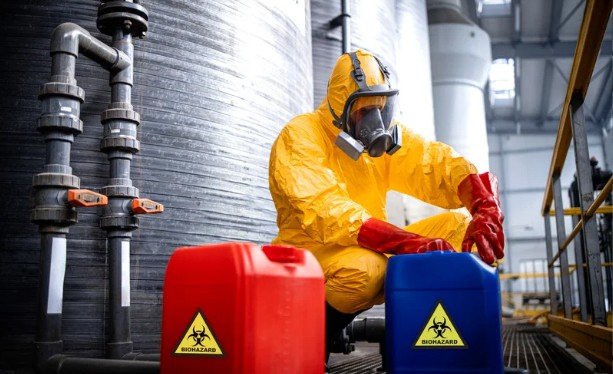
3. Chemical Hazards
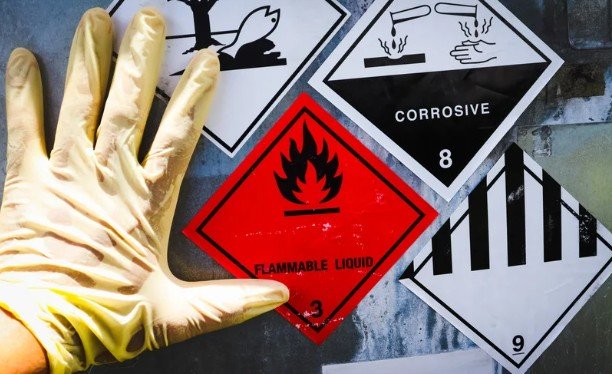
Cleaning products, solvents, gases, dust, fumes, pesticides, and industrial substances may cause burns, breathing difficulties, poisoning, skin irritation, or long-term illness.
Whenever possible, remove the chemical or replace it with a safer alternative. Enclose hazardous processes, install suitable ventilation, label containers clearly, store incompatible substances separately, and provide access to handling information.
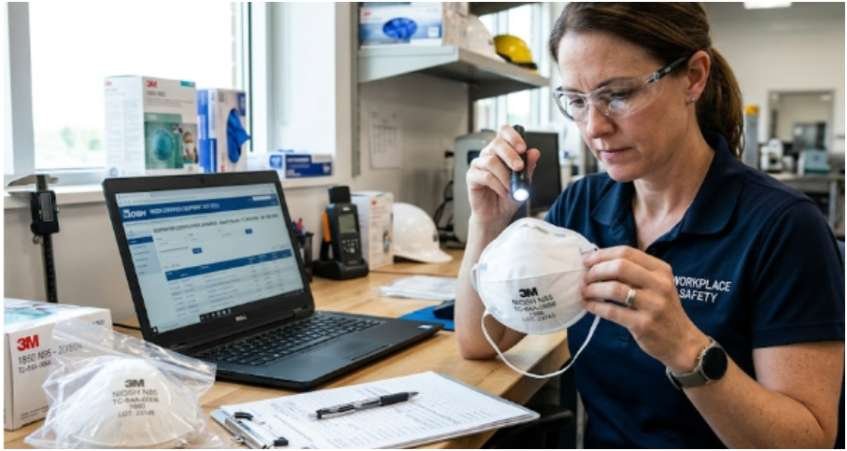
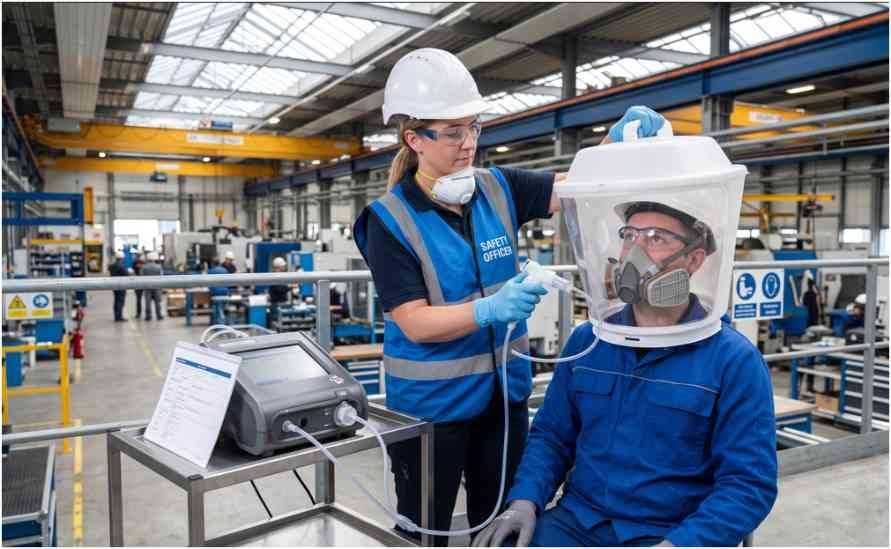
Protective gloves, goggles, respirators, and clothing may still be necessary, but they should support stronger controls rather than become the only protection.
4. Electrical Hazards
Damaged cables, overloaded sockets, exposed wiring, wet equipment, poor grounding, and unauthorized repairs can cause electric shocks, burns, fires, or fatal injuries.
Electrical equipment should be inspected and maintained by competent people. Damaged items must be removed from use, circuits should not be overloaded, and suitable isolation procedures should be followed before maintenance begins.
Workers must never improvise electrical repairs or use equipment in conditions for which it was not designed.
5. Fire and Explosion Hazards
Flammable liquids, combustible dust, blocked exits, faulty wiring, hot work, gas leaks, and poor storage practices can quickly create an emergency.
Keep ignition sources away from flammable materials, control dust accumulation, maintain alarms and extinguishing equipment, and ensure emergency exits remain unlocked and unobstructed. Evacuation procedures should be clear, regularly practised, and accessible to everyone.
6. Machinery and Equipment Hazards
Moving parts, sharp edges, crushing points, rotating components, and unexpected equipment startup can cause severe injuries.
Machines should have suitable guards, barriers, sensors, and emergency-stop systems. Equipment must be isolated before cleaning, maintenance, or repair. Only trained and authorized workers should operate machinery.
Regular inspections are essential because a guard or safety device offers little protection when it is damaged, removed, or bypassed.
7. Biological Hazards
Viruses, bacteria, mould, blood, bodily fluids, animals, insects, and contaminated waste may expose workers to infection or allergic reactions.
Effective controls include good ventilation, cleaning procedures, safe waste disposal, handwashing facilities, exposure protocols, vaccination where appropriate, and restricted access to contaminated areas.
Employees should use a workplace safety checklist for employees to understand how to report an exposure and receive prompt support after an incident.
8. Noise and Other Physical Hazards
Excessive noise, vibration, heat, cold, radiation, poor air quality, and inadequate lighting can affect health, concentration, and performance.
Control these hazards at their source by enclosing noisy equipment, reducing vibration, improving airflow, adding insulation, providing shade, and scheduling demanding work during safer conditions. Exposure time should also be limited when the hazard cannot be fully removed.
9. Psychosocial and Organizational Hazards
Stress, fatigue, bullying, harassment, violence, excessive workloads, unclear responsibilities, and poor communication can damage both physical and mental well-being.
Workplaces should establish realistic workloads, fair reporting procedures, sufficient rest periods, clear responsibilities, and confidential ways to raise concerns. Managers should respond to reports consistently and avoid treating psychological safety as a personal weakness.
How the Hierarchy of Controls Improves Safety
Learning common workplace hazards and how to control them becomes more effective when controls are selected in the correct order.
The first choice is elimination, which removes the hazard completely. The next is substitution, which replaces it with something safer. Engineering controls separate people from the hazard, while administrative controls change procedures, schedules, or work practices. Personal protective equipment is the final layer.
For example, the strongest way to prevent a fall is to complete the task at ground level. A guardrail is generally stronger than relying only on training, warning signs, or a safety harness.
How to Build a Hazard-Control Plan
Begin with regular inspections, employee feedback, incident records, maintenance reports, near-miss reports, and observations of everyday work. Consider routine duties as well as cleaning, repairs, deliveries, emergencies, and unusual tasks.
Record each hazard, who may be affected, the possible consequences, existing controls, additional action required, the responsible person, and a completion date.
Serious hazards should be addressed first. Temporary protection may be needed while permanent controls are being designed or installed.
Controls should then be reviewed through worker feedback, inspections, maintenance records, exposure monitoring, and incident trends. A solution that is not maintained or followed may eventually become ineffective.
Frequently Asked Questions
1. What are the most common workplace hazards?
Common examples include slips, falls, manual handling, chemicals, electricity, machinery, fire, noise, biological exposure, poor ergonomics, stress, fatigue, and workplace violence.
2. What are the five main methods of hazard control?
The five methods are elimination, substitution, engineering controls, administrative controls, and personal protective equipment. They should normally be considered in that order.
3. How often should workplace hazards be reviewed?
Hazards should be reviewed regularly and whenever equipment, staffing, materials, processes, or workplace layouts change. Reviews are also necessary after incidents, near misses, complaints, or control failures.
4. Why is PPE considered the last line of defence?
PPE depends on correct selection, fit, maintenance, and consistent use. It does not remove the hazard, so stronger controls should be introduced whenever reasonably possible.
5. Why should employees understand common workplace hazards and how to control them?
Employees often notice problems before managers or inspectors do. Their knowledge helps identify changing conditions, weak controls, unsafe shortcuts, and practical improvements.
Final Safety Takeaway
I see workplace safety as an ongoing process rather than a checklist completed once a year. Hazards change when new equipment arrives, workloads increase, people move roles, or familiar tasks are performed differently.
The strongest workplaces encourage people to report concerns without fear, act on serious risks quickly, and review whether their solutions are actually effective. When hazards are controlled at their source and employees are involved in decisions, safety becomes part of everyday work rather than a reaction to an injury.