
Following chemical safety compliance guidelines is essential for protecting employees, maintaining operational efficiency, and meeting regulatory requirements. A well-implemented safety program helps reduce the risk of chemical spills, accidental exposure, workplace injuries, and costly compliance violations that can disrupt business operations.
Regular employee training, proper chemical labeling and storage, routine inspections, and the use of appropriate personal protective equipment all contribute to a safer work environment. By making chemical safety a daily priority rather than an afterthought, organizations can safeguard their workforce, minimize legal and financial risks, and build a culture of long-term compliance and responsibility.
Key Takeaways
- HazCom Master Plan: A written hazard communication strategy protects workers from dangerous chemical exposures daily.
- Master 16-Section SDS: Centralized digital or physical Safety Data Sheets provide rapid access during emergencies.
- Compliant Secondary Labeling: Every transferred container needs clear GHS pictograms, signal words, and supplier details.
- Smart Chemical Segregation: Storing incompatible chemicals separately prevents fires, explosions, and toxic gas creation.
- Hierarchy of Controls: Prioritize engineering defenses like ventilation systems over basic personal protective equipment.
Why Chemical Safety Compliance Guidelines Are Essential
Who says regulatory compliance has to feel like reading a dusty textbook? Following smart chemical safety compliance guidelines turns workplace chaos into a rewarding game of operational mastery.
Knowing your facility is completely protected against unexpected leaks, sudden chemical reactions, and surprise safety audits brings genuine peace of mind. It keeps your team energized, reduces costly downtime, and creates a thriving culture where everyone returns home safely at the end of every shift.
Core Operational Pillars of Chemical Safety
Building a reliable workplace safety framework depends on establishing strong operational pillars across your entire facility.
These core pillars create a structured environment where every employee understands how to handle, store, and manage hazardous substances safely.
Dividing your safety procedures into distinct operational categories helps prevent costly oversights during daily manufacturing or laboratory tasks.
Hazard Communication Standards and Training

Establishing a written hazard communication plan forms the backbone of every compliant facility across the nation. Your team must maintain a live, up-to-date chemical inventory so every employee knows exactly what materials exist on site. Regular training sessions ensure staff members easily recognize GHS pictograms, signal words, and specific hazard warnings on sight.
Safety Data Sheet Management Strategies
Maintaining an accessible, centralized library containing complete 16-section Safety Data Sheets guarantees immediate critical knowledge during active work shifts.
Facility managers should organize SDS sheets logically so workers can retrieve vital first aid procedures or spill responses within seconds. Emergency protocols often utilize the quick reference rule to locate key product identification, exposure limits, and fire hazard details fast.
Precision Container Labeling Practices
Primary and secondary chemical containers must display clear product identifiers, target organ warnings, and original manufacturer contact information.
Secondary containers filled from bulk supplies must receive immediate labels unless an employee uses the contents during a single shift.
Standardized GHS labeling prevents accidental chemical misidentification, protecting workers from unknowingly mixing dangerous reagents during busy operational hours.
Proper Chemical Storage and Segregation

Designated chemical storage areas require adequate ventilation systems and physical barriers to isolate volatile substances safely.
Never store reactive chemicals and acids alongside strong bases, and always keep flammable liquids completely separated from powerful oxidizing agents.
Utilizing dedicated flammable liquid cabinets and explosion-proof refrigeration units protects your building against unexpected thermal ignition events.
Comprehensive Exposure Control Systems
Applying the standard hierarchy of controls ensures engineering improvements take priority over simple personal protective equipment measures.
Industrial hygiene testing and ventilation airflow checks ensure workplace air contaminants remain far below federal exposure threshold limits.
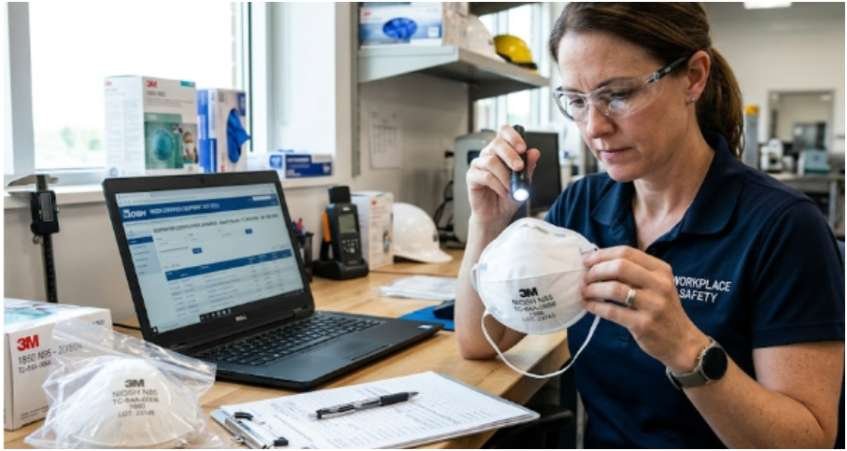
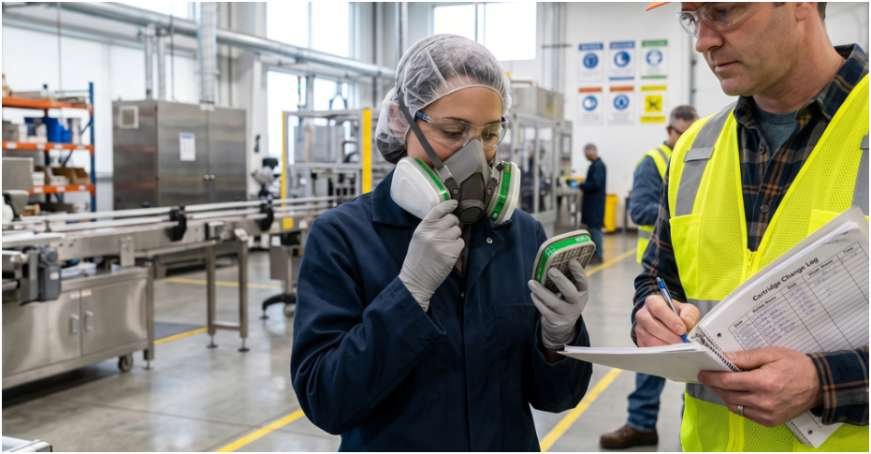
Selecting appropriate glove materials and respirator gear acts as a vital final defense line when mechanical ventilation cannot fully remove vapors.
Step-by-Step Chemical Safety Compliance Guidelines Action Plan
Executing your chemical safety compliance guidelines requires an organized strategy that translates abstract rules into practical shop-floor steps. Following ISO 14001 safety standards:

First, perform a thorough walkthrough of your facility to document every chemical container and purge expired substances. Next, verify that a corresponding 16-section Safety Data Sheet exists in your digital database or master binder for every cataloged material. Cross-reference your inventory with physical storage areas to confirm all secondary bottles feature proper GHS warnings and signal words.
Second, reconfigure your chemical storage spaces based on chemical compatibility rather than simple alphabetical order. Install secondary containment trays under liquid drums, separate acids from bases, and lock up flammable solvents inside approved safety cabinets. Inspect local exhaust ventilation hoods to ensure proper face velocity, and establish routine maintenance schedules for emergency eye-wash stations.
Third, host interactive employee training sessions focused on reading GHS labels and locating emergency response instructions quickly. Roll out digitized mobile checklists so floor supervisors can run weekly compliance checks on chemical labeling and PPE usage. Audit your overall management system every six months to correct minor procedural gaps before official regulatory inspections occur.
Frequently Asked Questions
1. What are chemical safety compliance guidelines?
They are standardized operational protocols that mandate proper hazard communication, GHS container labeling, SDS management, chemical segregation, and exposure controls to protect workers and maintain legal regulatory compliance across commercial facilities.
2. Why is the 16-section SDS format important?
The standardized 16-section SDS layout ensures workers and emergency responders can instantly locate critical hazard identification, first aid procedures, exposure controls, and handling instructions during dangerous workplace chemical incidents.
3. When are secondary containers exempt from GHS labels?
Secondary containers are exempt from GHS labeling requirements only when an employee transfers the chemical for immediate personal use during their own single work shift.
4. How should incompatible chemicals be stored safely?
Incompatible chemicals must be separated by physical distance or spill barriers, isolating acids from bases and flammables from oxidizers in dedicated, well-ventilated safety cabinets.
Safety Rocks When You Master The Rules
Mastering chemical safety compliance guidelines gives your team the confidence to operate safely and efficiently every single day. Aligning your HazCom procedures, SDS libraries, and exposure controls creates an invincible safety culture that protects workers while slashing operational risk. Take charge of your facility safety protocols today and build a brighter, fully compliant future for your entire workplace!