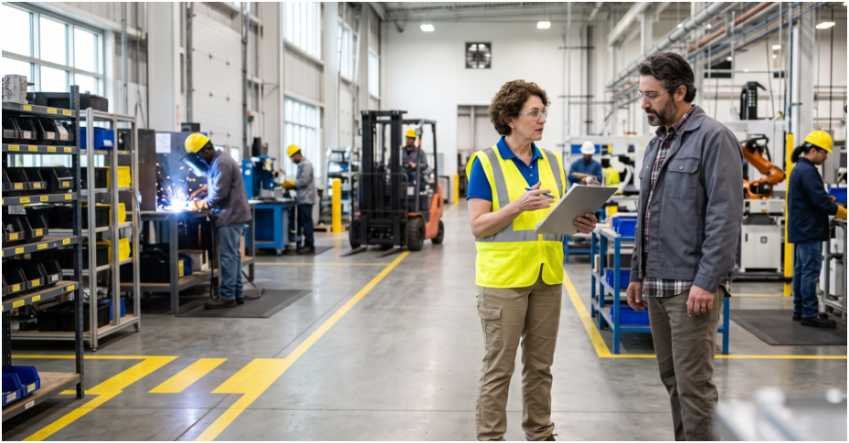

When I assess a workplace hazard, I do not begin by asking which gloves, masks, or warning signs workers need. I first ask whether the hazard can be removed completely. That question is central to the hierarchy of controls explained for workplaces, a safety framework that ranks hazard-control methods from the most reliable to the least reliable.
The hierarchy helps employers avoid depending entirely on worker behaviour. Training and protective equipment remain important, but they can fail when equipment is damaged, procedures are misunderstood, or work is performed under pressure. Higher-level controls address the hazard itself, creating protection that is often more consistent.
What Is the Hierarchy of Controls?
The hierarchy of controls is a structured method for selecting workplace safety measures. It places five types of controls in the following order:
- Elimination
- Substitution
- Engineering controls
- Administrative controls
- Personal protective equipment
Employers should begin at the top and move downward only when a higher-level option is not reasonably achievable. This does not mean every hazard can be eliminated. It means elimination should be considered before relying on signs, procedures, training, or protective equipment.
Several controls may also be used together to address common workplace hazards. A machine hazard, for example, may require a physical guard, a safe operating procedure, employee training, routine inspection, and suitable protective equipment.
Why Are the Controls Ranked by Effectiveness?
Controls at the top of the hierarchy are generally more reliable because they reduce or remove the hazard before it reaches a worker.
Elimination removes the danger. Substitution replaces it with something safer. Engineering controls create physical separation between the worker and the hazard. These approaches do not depend as heavily on a person remembering every safety rule during every task.
Administrative controls and personal protective equipment depend more on correct human action. A procedure must be followed, training must be remembered, and protective equipment must be selected, fitted, maintained, and worn correctly.
This is why buying PPE should not automatically be the first response to a hazard.
The Five Levels of Workplace Hazard Control
1. Elimination: Remove the Hazard
Elimination is the most effective control because the hazard no longer exists.
Examples include designing a task so employees do not work at height, removing an unnecessary hazardous chemical, purchasing materials in safer pre-cut sizes, or discontinuing a dangerous process.
Elimination is easiest during the planning and design stage. Removing an established hazard later may require equipment changes, process redesign, or additional investment. Even so, the long-term reduction in incidents, interruptions, and exposure can justify the effort.
2. Substitution: Replace the Hazard
Substitution means replacing a hazardous product, material, process, or piece of equipment with a safer alternative.
A business might replace a highly toxic cleaning chemical with a less hazardous product, use quieter machinery, choose a non-flammable substance, or automate a dangerous manual task.
A replacement should be assessed carefully before use. Substitution is not effective when it removes one danger but introduces another. Employers should review toxicity, fire risk, equipment compatibility, waste, ergonomics, and possible worker exposure.
3. Engineering Controls: Isolate Workers
Engineering controls reduce exposure by changing equipment, facilities, or the physical work environment.
Common examples include machine guards, ventilation systems, sound enclosures, safety interlocks, lifting devices, barriers, guardrails, dust extraction, and remote operating systems.
These controls can provide dependable protection because they are built into the workplace. However, they must be correctly designed, installed, inspected, tested, and maintained. A damaged guard or ineffective ventilation system can create a false sense of security.
4. Administrative Controls: Change the Work
Administrative controls change how, when, or where work is performed.
Examples include employee training, written procedures, warning signs, restricted access, preventive maintenance, job rotation, scheduled rest periods, supervision, permit systems, and housekeeping rules.
These measures are useful but depend on consistent implementation. A written procedure cannot protect workers when it is unclear, inaccessible, outdated, or ignored.
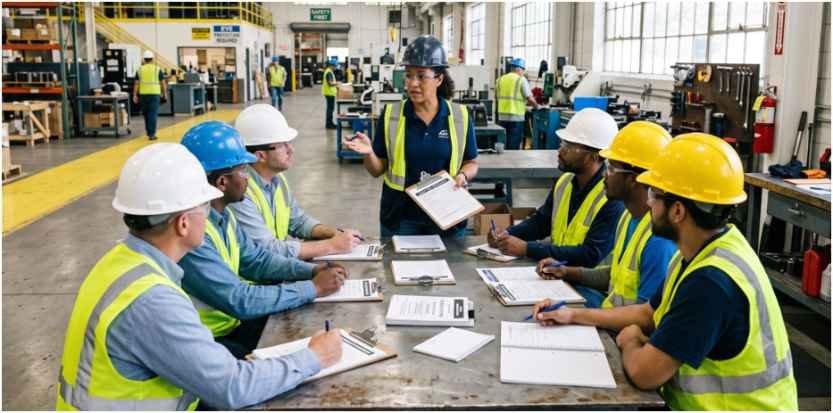
Administrative controls are strongest when workers participate in developing them. Employees who perform the task can identify shortcuts, unexpected conditions, and practical obstacles that may not be visible to management.
5. Personal Protective Equipment: Protect the Worker
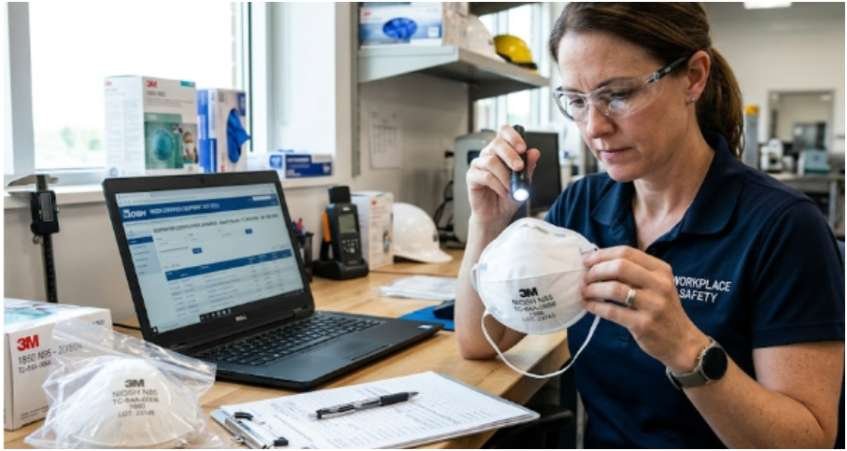
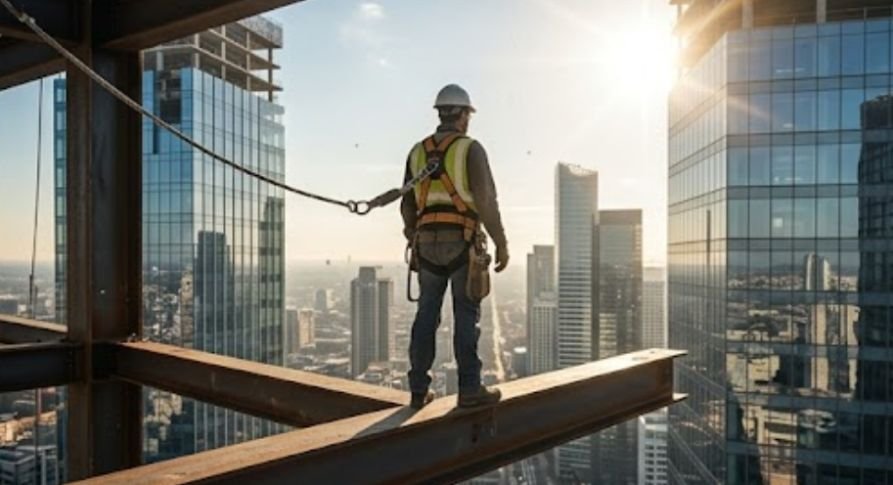
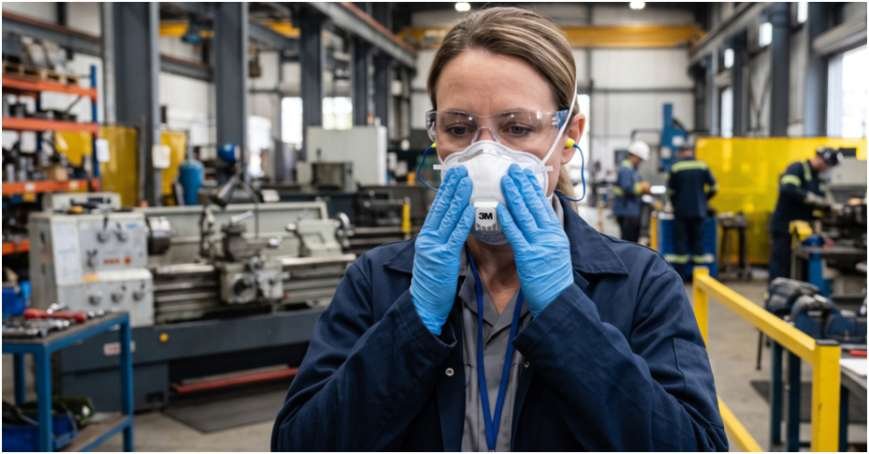
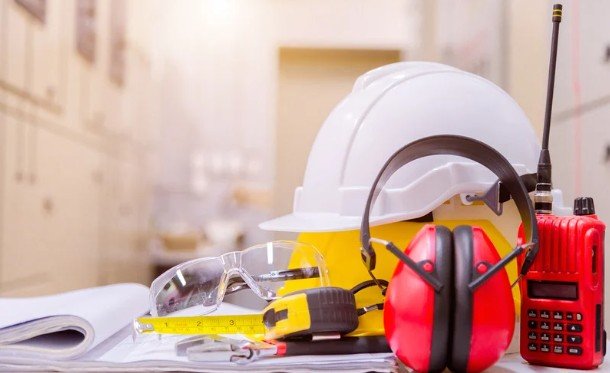
Personal protective equipment includes gloves, protective clothing, eye protection, hearing protection, safety footwear such as steel toe boot, helmets, fall-protection equipment, and respirators.
PPE is often described as the last line of defence because the hazard remains present. It can still be essential when higher-level controls cannot fully remove exposure, during emergencies, or while permanent controls are being installed.
Protection depends on selecting suitable equipment for the hazard. Workers must also receive training on correct use, limitations, inspection, cleaning, storage, replacement, and reporting defects.
One Hazard Through All Five Levels

Consider workers exposed to airborne dust while cutting a solid material.
Elimination could involve purchasing components already cut to size. Substitution could mean selecting a material that produces less hazardous dust. Engineering controls might include wet-cutting equipment or local exhaust ventilation.
Administrative measures could restrict access, schedule dusty work when fewer people are present, and introduce cleaning procedures that do not disperse dust. PPE may include suitable eye protection and respiratory protection based on the assessed exposure.
This example demonstrates why controls should be layered. PPE may still be required, but it should not replace feasible methods that reduce dust at its source.
How to Apply the Hierarchy Step by Step
Identify the Hazard
Inspect the workplace, review tasks, speak with workers, and examine incidents, near misses, maintenance records, exposure data, and equipment instructions.
Consider Controls From the Top
Ask whether the hazard can be removed. When it cannot, investigate substitution and engineering options before relying mainly on procedures or PPE.
Evaluate Each Option
Consider how much exposure the control will reduce, whether it creates new risks, how workers will use it, and what maintenance it requires.
Create an Action Plan
Record the chosen controls, responsible people, target dates, training requirements, inspection schedules, and temporary precautions.
Confirm Effectiveness
Observe the task after implementation. Gather worker feedback, inspect equipment, review exposure results, and check whether new hazards have appeared.
Review Controls Regularly
Reassess controls after incidents, equipment changes, process changes, staffing changes, new materials, complaints, or evidence that the existing safeguards are failing.
Frequently Asked Questions
1. What does hierarchy of controls explained for workplaces mean?
It refers to explaining the five hazard-control levels—elimination, substitution, engineering controls, administrative controls, and PPE—in the order employers should consider them.
2. Is PPE always the least useful control?
No. PPE can be essential, particularly during emergencies or where exposure remains after other measures. It is ranked lower because its success depends heavily on correct selection, fit, use, and maintenance.
3. Can several controls be used together?
Yes. Layering controls is often necessary when one measure cannot reduce risk sufficiently.
4. When should controls be reviewed?
Controls should be reviewed regularly and whenever equipment, materials, tasks, staffing, workplace conditions, or exposure information changes.
Final Thoughts
I see the hierarchy as more than a safety pyramid. It is a decision-making process that prevents organisations from choosing the fastest visible solution instead of the most reliable one.
When I work through a hazard from elimination to PPE, involve the people performing the task, and verify that each control works in practice, the result is a stronger safety system. The goal is not simply to provide equipment or write another procedure. It is to reduce exposure at its source and make safe work easier to perform every day.