Hurricanes create special risks for renters. You may depend on management for shutters, elevators, parking, emergency lighting, and building updates. I use this hurricane preparedness checklist for apartment residents to secure the unit, protect belongings, coordinate with management, and decide whether evacuation is safer.
How Do You Prepare an Apartment Before a Hurricane?
Bring balcony furniture, grills, bicycles, potted plants, decorations, rugs, and welcome mats inside because strong winds can turn them into dangerous debris.
Close and lock every window. Follow property rules for approved storm shutters or plywood, never rely on tape, and move beds, electronics, valuables, and documents away from exterior glass.
Secure sliding patio doors with an approved brace or fitted wooden dowel when permitted, but never block an emergency exit. Unplug televisions, computers, and nonessential appliances before the storm to limit power-surge damage.
Choose a windowless bathroom, hallway, or walk-in closet near the center of the apartment as your safe zone. Keep sturdy shoes, flashlights, medication, a phone, and heavy blankets nearby.
Shortly before landfall, clean and fill the bathtub with water for flushing toilets and basic sanitation if water service fails. Do not use bathtub water for drinking unless local officials confirm it is safe.
What Belongs in a Compact Apartment Hurricane Kit?
Ready.gov recommends preparing water, food, medications, lighting, communication equipment, sanitation supplies, cash, and important records. I store these supplies under a bed, on a high closet shelf, or in stackable bins that are easy to move.
Store about one gallon of drinking water per person per day for at least three days. Consider extending your supply to seven days when local guidance, likely power outages, medical needs, or pets justify it. Compact containers and heavy-duty collapsible water jugs can help you save space.
Keep three to seven days of nonperishable food that requires little or no cooking. Canned meals, protein bars, crackers, nut butter, dried fruit, and familiar snacks work well. Remember to add a manual can opener.
Pack prescription medication, a first-aid kit, wet wipes, hand sanitizer, trash bags, hygiene products, flashlights, headlamps, battery lanterns, and spare batteries. Avoid candles because open flames increase the risk of a fire in a multifamily building.
Charge phones, power banks, rechargeable lights, and medical devices before weather conditions deteriorate. Keep a battery-powered or hand-crank NOAA Weather Radio available in case cellular and internet service fail.
Store identification, renters insurance papers, medical records, lease information, and digital backups in a waterproof pouch. Keep cash in small bills because ATMs and card-payment systems may stop working.
Prepare a separate evacuation go-bag with clothing, water, snacks, medications, chargers, keys, and essential documents. Keeping it near the door can prevent rushed packing during an evacuation order.
What Should You Ask Apartment Management?
A useful hurricane preparedness checklist for apartment residents must account for shared building systems and community rules. Request the property’s official hurricane emergency plan before a storm approaches.
Ask who installs shutters, when elevators shut down, how electronic doors and parking gates operate without power, and whether alarms, water pumps, hallways, or common areas have backup electricity.
Confirm how management will send emergency updates and ensure the leasing office has your current phone number and email address. Save the emergency maintenance number on your phone and write it on paper.
Assume elevators may stop working during a power outage or storm surge. Learn each stairwell route and determine whether everyone in your household can use the stairs. Residents with mobility limitations or electrically powered medical equipment may need to leave earlier.
Ask management about vehicle procedures. Move your car to higher ground if the surface lot is vulnerable to flooding. When permitted, an upper level of a structurally sound parking garage may offer better flood protection, but never drive through rising water or enter a closed garage.
When Should Apartment Residents Evacuate?
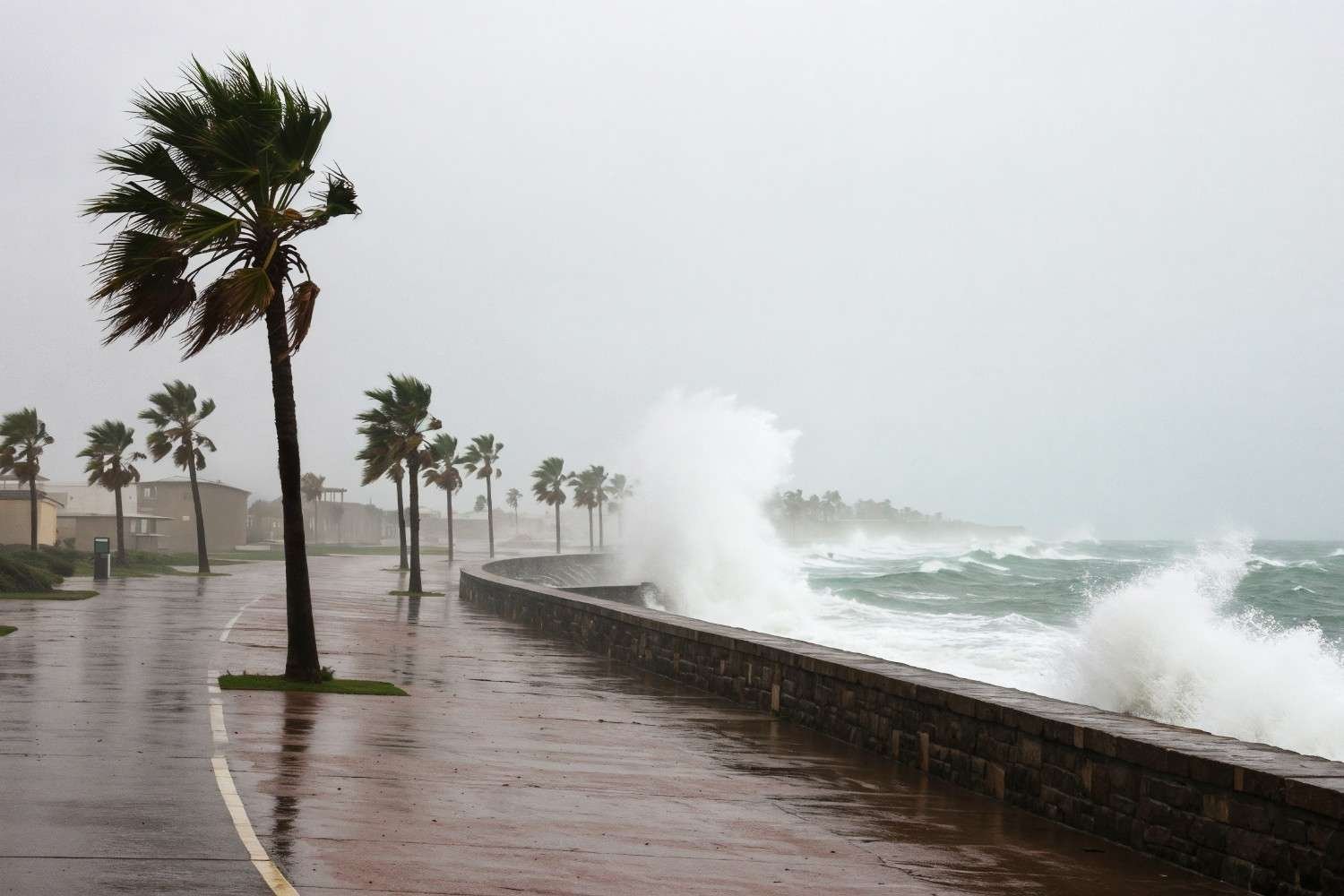
Check local government maps to determine whether the building lies in a storm-surge or mandatory evacuation zone. The National Hurricane Center provides storm-surge risk maps, but local authorities issue the evacuation orders residents must follow.
Leave whenever officials order your area to evacuate. A high-rise building is not automatically safe. Upper floors may experience stronger winds, while ground-floor and garden apartments can flood first. Elevators, water service, air conditioning, alarms, and electronic entry systems may also fail.
Identify two evacuation routes, a safe destination, a nearby public shelter, and an out-of-area contact. Arrange transportation early, especially when you do not own a car or need extra time for children, older adults, people with disabilities, or pets.
How Do You Prepare Pets for a Hurricane?
Pack pet food, extra water, medication, vaccination records, identification, a leash, waste supplies, and a secure carrier or crate. Keep a recent photograph of each animal in case you become separated.
Confirm which public shelters, hotels, boarding facilities, or relatives accept pets. Not every emergency shelter allows animals. Prepare a larger supply kit for sheltering at home and a lighter pet evacuation kit that you can carry downstairs.
How Do You Prepare for an Apartment Power Outage?
Set the refrigerator and freezer to their coldest safe settings before the outage. Freeze water containers to help food remain cold longer, and open appliance doors as little as possible. A tornado preparedness checklist for homes should also include a backup plan for extended power loss, especially when severe weather may delay utility restoration.
Never operate a fuel-powered generator inside an apartment, hallway, garage, stairwell, or enclosed balcony. The CDC states that generators must remain outdoors more than 20 feet from doors, windows, and vents because they release deadly carbon monoxide. Most apartment residents cannot meet this requirement safely.
Does Renters Insurance Cover Hurricane Damage?

A landlord’s insurance policy generally protects the apartment building, not your furniture, clothing, electronics, or temporary housing expenses. Renters insurance may cover certain wind-related losses and additional living expenses, but standard policies commonly exclude external flooding and storm surge.
FEMA’s National Flood Insurance Program offers flood coverage to renters. Ask your insurance provider about hurricane deductibles, replacement-cost coverage, temporary lodging, flood exclusions, and the documentation required for a claim.
Photograph every room and valuable item before the storm. Save the images in secure cloud storage so you can access them if your phone becomes damaged or lost.
What Should Renters Do After a Hurricane?
Wait for local officials and property management to approve reentry. Avoid standing water, damaged electrical equipment, unstable ceilings, broken glass, downed power lines, and flooded stairwells.
Photograph damage before beginning cleanup and report it to management in writing. Save repair requests, hotel bills, food receipts, insurance communications, and other records that may support a claim.
Follow local boil-water notices and discard food that spoiled or came into contact with floodwater. Report water leaks quickly because delayed repairs can increase moisture and mold problems.
Frequently Asked Questions (FAQs)
1. What Floor Is Safest During a Hurricane?
No apartment floor is safest in every situation. Lower levels face greater flooding risks, while higher floors may experience stronger winds. Follow evacuation orders and use an interior windowless area only when officials advise you to shelter in place.
2. Should I Open Apartment Windows During a Hurricane?
No. Keep windows and exterior doors closed and locked. Opening windows can allow wind and rain inside and does not safely equalize pressure within the apartment.
3. Can I Stay in a High-Rise Apartment During a Hurricane?
You should stay only when local authorities and building management confirm that it is safe. A high-rise can lose elevators, water, cooling, alarms, or access even when it does not suffer major structural damage.
Prepare Before the Forecast Becomes Urgent
I recommend reviewing this hurricane preparedness checklist for apartment residents before every Atlantic hurricane season and whenever you move into a new building. When you secure the apartment, create a compact emergency kit, coordinate with management, prepare your pets, understand your insurance, and plan an early evacuation, you can make safer decisions before conditions become dangerous.