
Working around dangerous airborne chemicals or biological hazards makes picking the right safety gear a life-or-death decision. You want gear that gives maximum protection without making simple movements impossible. Understanding the exact levels of personal protective equipment helps you stay safe, comfortable, and fully compliant on every job site.
Safety guidelines exist to remove guesswork when hazardous materials enter the workplace. When you know how gear levels work together, you can easily outfit your crew with confidence every day.
Key Takeaways
- OSHA defines four main levels of personal protective equipment ranging from Level A (maximum) to Level D (basic work uniform).
- Level A and Level B require self-contained breathing apparatus, while Level C uses air-purifying respirators for known hazardous environments.
- Healthcare settings measure fluid resistance using AAMI PB70 levels (1 through 4) to protect against liquid splashes and pathogens.
- Choosing correct protection requires evaluating chemical toxicity, airborne contaminant levels, exposure risks, and oxygen concentrations on site.
- Regular equipment checks, proper fit testing, and correct donning and doffing techniques prevent accidental exposure and workplace injuries.
Understanding Levels of Personal Protective Equipment Is Crucial
Imagine wearing a heavy space suit just to change a lightbulb, or showing up to a chemical spill in a basic t-shirt. Learning the levels of personal protective equipment keeps you from over-dressing like a movie astronaut or under-protecting yourself in a hazardous zone. Knowing your gear keeps safety fast, fun, and reliable.
Getting this right saves time, prevents costly safety violations, and keeps workers comfortable throughout long shifts. Matching hazard severity with correct protective gear creates a smooth, highly efficient work environment.
Breakdown of the Four Official Protection Categories
Federal safety guidelines group safety gear into four distinct categories based on risk severity. These standard ensembles ensure every worker receives the correct degree of chemical, airborne, and physical protection.
Level A Protection
Level A offers the highest degree of defense for skin, respiratory, and eye safety. It is required when working with unknown airborne contaminants or severe chemical vapor hazards.
Workers wear a totally encapsulating chemical-vapor protective suit alongside a positive-pressure full face-piece self-contained breathing apparatus. This configuration seals off the wearer entirely from external environmental threats.
Level B Protection
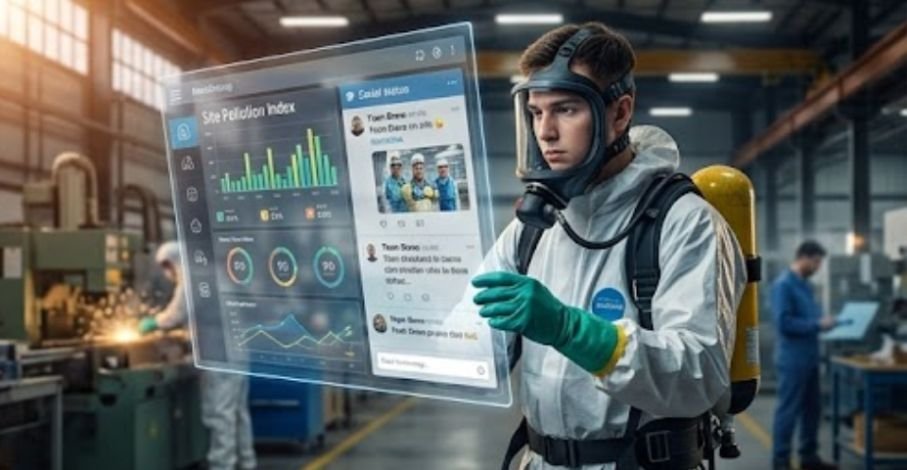
Level B is used when you need maximum respiratory protection but a lesser degree of skin shielding. It defends workers against dangerous gases while offering high flexibility in hazardous zones.
This ensemble features a supplied-air respirator or self-contained breathing apparatus paired with hooded chemical-resistant clothing. Splash suits or chemical coveralls prevent liquid contact while maintaining high mobility.
Because Level B work often involves chemical splashes and contaminated surfaces, workers should understand the different types of safety gloves and select materials that resist the specific substances present.
Level C Protection
Level C applies when exact airborne contaminants are identified, concentrations are measured, and specific air-purifying criteria are met. It offers dependable defense against known industrial air monitoring.
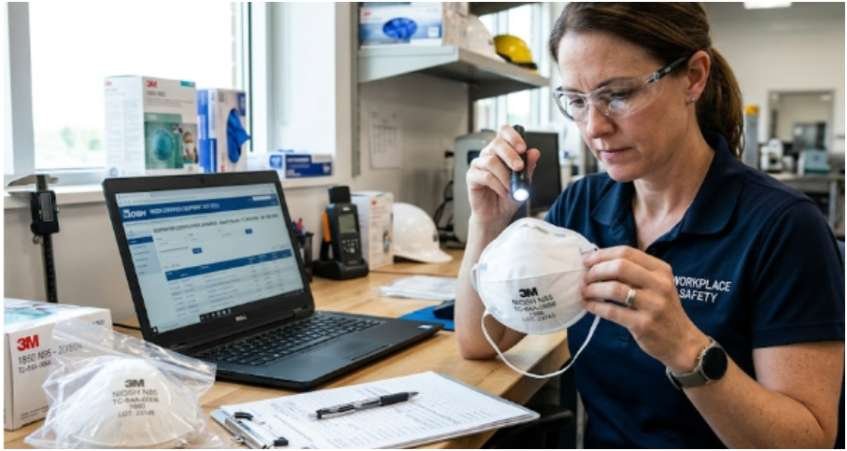
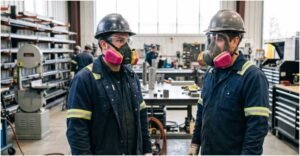
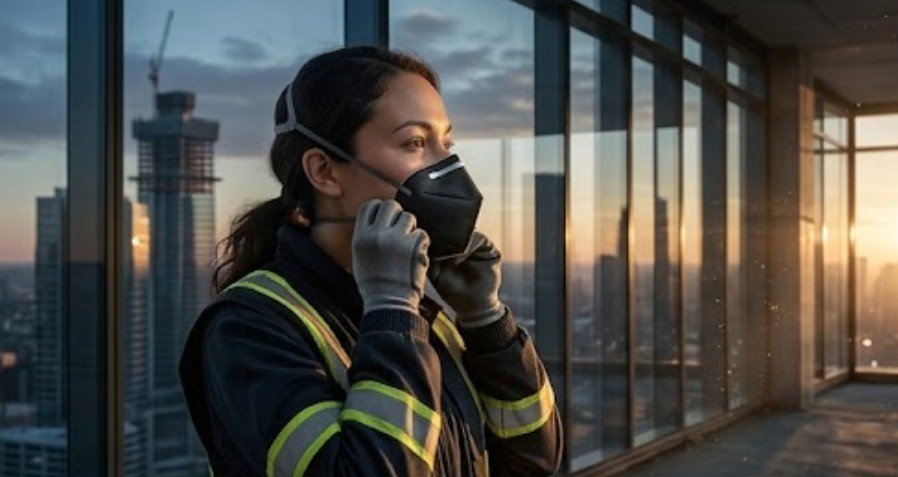
Workers utilize an air-purifying respirator, such as an N95 mask or full-face respirator, alongside durable chemical-resistant clothing. This gear keeps air clean without requiring heavy external oxygen tanks.
Level D Protection
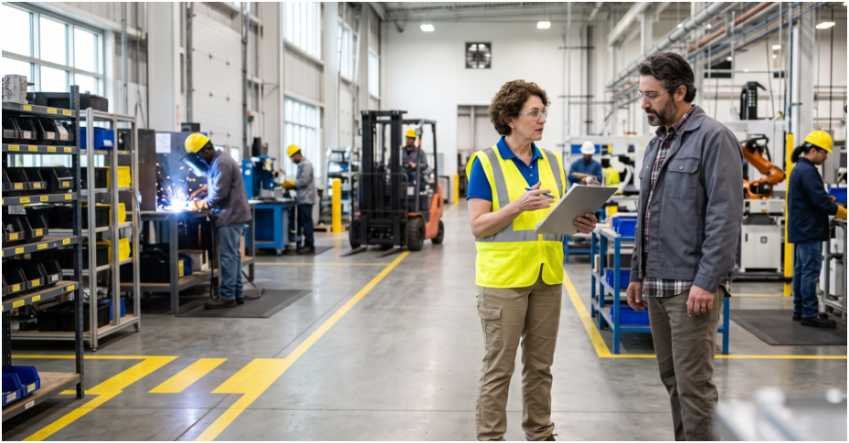
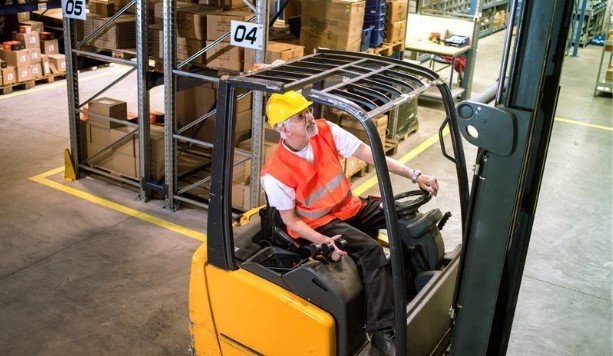
Level D serves as the basic work uniform for minimal protection in safe work environments. It is strictly used in atmospheres containing no known respiratory or skin hazards.
This standard setup includes basic work clothes, heavy boots, safety glasses, and hard hats. It shields workers against minor workplace scrapes, falling debris, and daily occupational hazards.
Although Level D does not require respiratory protection, workers may still need to follow OSHA hearing protection requirements when machinery, tools, or surrounding operations expose them to hazardous noise levels.
Comparing Industrial Chemical Gear & Healthcare Barrier Standards
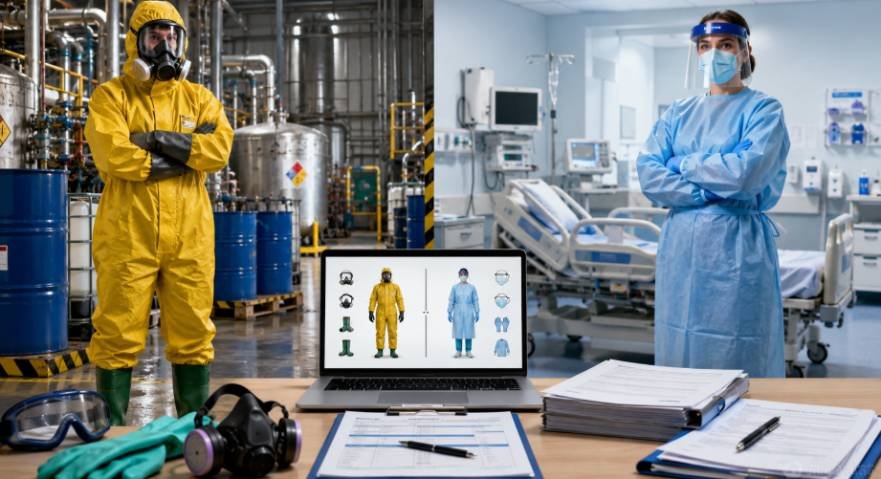
Occupational safety standards focus heavily on industrial chemical hazards, but healthcare settings require liquid splash protection. Recognizing these distinct frameworks helps you select accurate safety gear across different industries.
Industrial Chemical Ensembles
Industrial standards prioritize airtight seals, vapor resistance, and continuous respiratory protection. These specialized suits prevent toxic chemical absorption through the skin or lungs during industrial maintenance and hazardous cleanup.
Heavy chemical plants relies on these four distinct tiers to keep emergency teams safe. Understanding these boundaries ensures complete defense against unexpected gas leaks or acid spills.
Healthcare Barrier Ratings
Healthcare facilities classify protective gowns and drapes using AAMI PB70 fluid barrier standards. Level 1 handles minimal fluid exposure, while Level 4 provides total resistance against liquid pathogens.
These medical classifications prevent bloodborne pathogen transmission in surgical suites and intensive care units. Matching fluid exposure risk with correct barrier ratings protects healthcare workers during critical medical procedures.
How to Select Levels of Personal Protective Equipment

Choosing the correct protective gear requires a structured site assessment to keep your team safe without creating unnecessary physical fatigue.
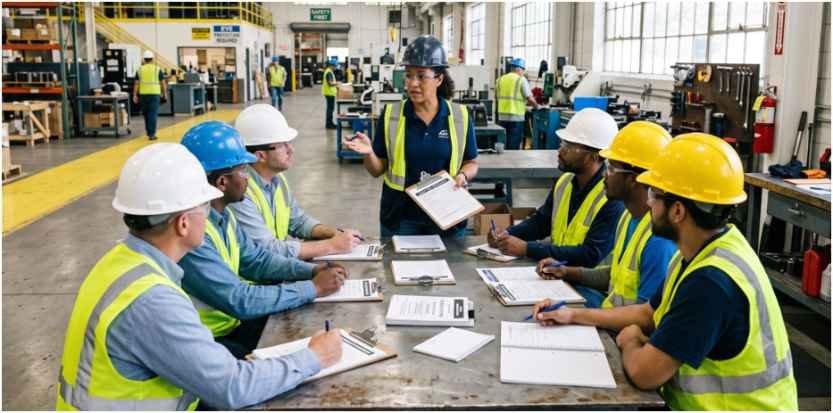
First, conduct a thorough site hazard evaluation to identify chemical, biological, and physical risks present in the work area. Test air quality with calibrated sampling instruments to measure ambient oxygen levels and identify specific airborne contaminants.
Next, match your gathered hazard data with the official safety level standards to choose proper protective suits and respirators. Select gear that mitigates every identified threat while preserving comfort, field of vision, and worker mobility.
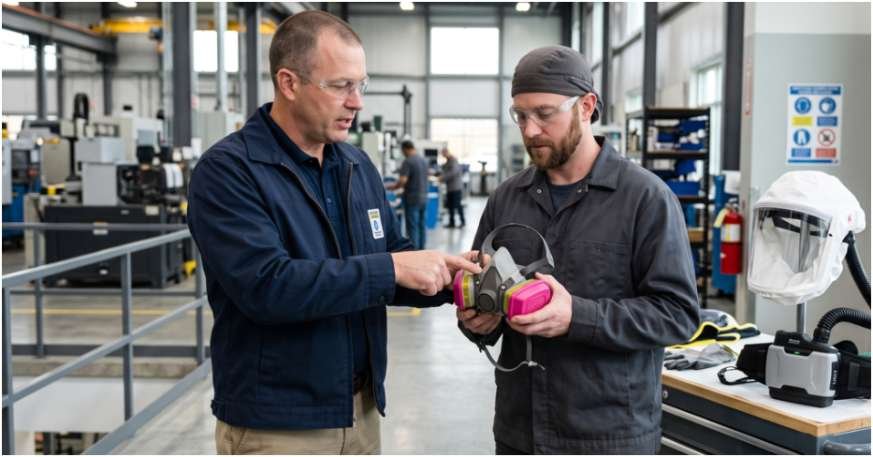
Finally, complete a comprehensive pre-use inspection on all suit seams, zipper seals, face masks, and oxygen valves before entering the hazard zone. Enforce strict step-by-step procedures for donning and doffing gear to avoid accidental exposure during equipment removal.
Frequently Asked Questions
1. What are the 7 categories of PPE?
The seven primary categories include eye and face protection, head protection, foot and leg protection, hand and arm protection, body protection, hearing protection, and respiratory protection gear.
2. What are the four levels of PPE?
The four official levels are Level A for maximum vapor protection, Level B for high respiratory protection, Level C for known airborne contaminants, and Level D for basic workwear.
3. What is Level 1 and Level 2 PPE?
Level 1 provides basic fluid resistance for minimal risk tasks, while Level 2 offers low fluid protection during simple medical procedures, minor lab work, and routine healthcare evaluations.
4. What are the 8 types of PPE?
The eight common types are respirators, safety glasses, face shields, hard hats, earplugs, chemical-resistant gloves, steel-toe safety boots, and protective coveralls or chemical suits.
Complete Gear Strategy for Maximum Workplace Protection
Choosing the correct levels of personal protective equipment keeps your workforce safe from unexpected chemical spills, airborne toxins, and hazardous liquid splashes. By mastering the four standard OSHA tiers along with medical barrier guidelines, you ensure every crew member works with total confidence.
Assess site hazards accurately, inspect every piece of gear, and update your levels of personal protective equipment whenever working conditions change.