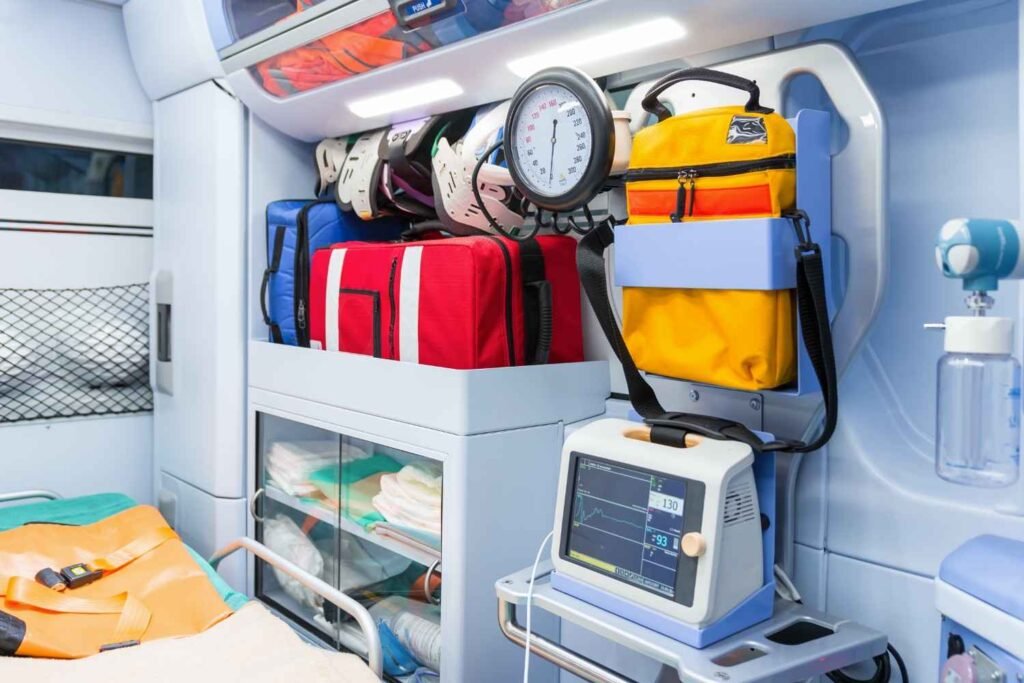
A blackout becomes a medical emergency when someone depends on an oxygen concentrator, ventilator, CPAP machine, infusion pump, dialysis system, powered wheelchair, or refrigerated medicine. I believe every power-dependent US household should create a written emergency backup plan for home medical equipment before severe weather or grid failure interrupts electricity.
The plan should identify which devices must keep running, how long backups will last, who handles each action, and when to evacuate. The FDA advises users to review instructions, confirm battery or generator compatibility, and notify the electric company and fire department before an emergency.
What Medical Equipment Details Should You Record?
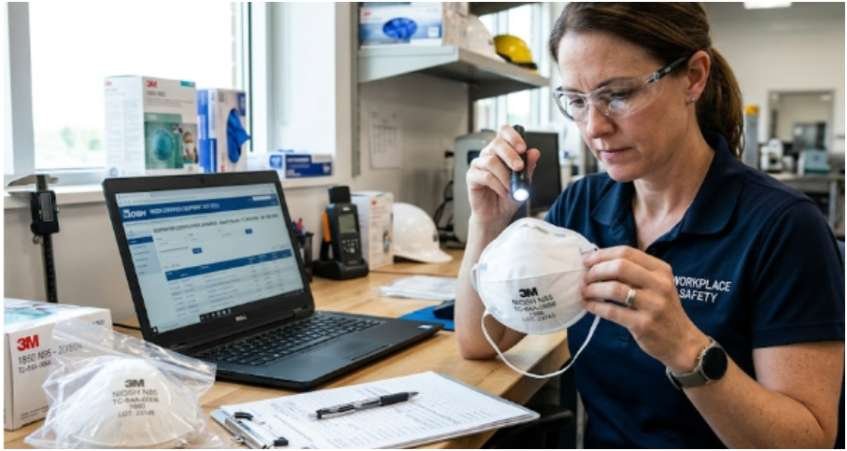
Audit every device before buying backup power. Record its make, model, serial number, voltage, running wattage, surge or startup wattage, battery type, charging time, prescribed settings, and supplier number.
Test the internal battery at the patient’s actual settings. Runtime may fall when oxygen flow increases, a heated humidifier runs, accessories draw power, or an aging battery loses capacity. Keep printed manuals and settings nearby because devices may return to default settings after an interruption. The ADA National Network also recommends reviewing and updating emergency power information regularly.
Which Devices Should Receive Power First?
Group equipment as life-sustaining, medically necessary, or convenience loads. Ventilators, oxygen concentrators, suction units, feeding pumps, and some dialysis devices may need uninterrupted power.
Heated humidifiers, adjustable-bed features, or other accessories may use valuable battery capacity. Reduce or disconnect them only when the healthcare provider and device manufacturer confirm that doing so is safe.
How Do You Calculate Backup Power for Medical Equipment?
Multiply the device’s running watts by the number of operating hours to estimate the required watt-hours. A 100-watt device used for eight hours requires about 800 watt-hours before accounting for inverter losses, startup demand, battery aging, and reserve capacity.
Ask the manufacturer or durable medical equipment supplier to verify the electrical requirements of life-sustaining devices. Never change oxygen flow, ventilator settings, or another prescribed treatment setting merely to extend runtime without professional approval.
Which Three Backup Power Layers Work Best?
Do not depend on one source. Use three layers so another option can take over when the first one fails.
Can a UPS Bridge a Medical Device Power Outage?
A compatible uninterruptible power supply can cover the transition between utility failure and secondary power. It may bridge the 10- to 30-second startup period for a standby generator, but most consumer UPS units cannot provide hours of treatment.
Confirm the UPS output, alarms, estimated runtime, battery replacement schedule, and compatibility with the specific medical device.
Can Portable Power Stations Run Medical Equipment Indoors?
Portable lithium power stations produce no exhaust and may support short-to-medium outages when approved by the equipment manufacturer.
Compare usable watt-hours, continuous output, surge capacity, waveform, charging speed, and battery condition. Keep approved wall chargers and dedicated 12-volt vehicle adapters available. However, never run a vehicle inside a garage, even when the garage door is open.
When Is a Generator Appropriate?
A standby or portable generator can support multi-day outages, but it requires fuel, maintenance, safe wiring, and routine testing.
The CDC says generators must operate outdoors and more than 20 feet from windows, doors, and vents. Use outdoor-rated extension cords, battery-backed carbon monoxide detectors, and a professionally installed transfer switch when appropriate.
What Device-Specific Backups Should You Arrange?

Oxygen concentrator users should secure non-electric oxygen cylinders from their supplier and keep extra approved batteries for portable oxygen concentrators. Record how long every cylinder or battery lasts at the prescribed flow rate.
Ventilator users need a clinician-approved emergency procedure. When prescribed, keep a handheld resuscitation bag beside the patient and ensure only properly trained caregivers use it. Caregivers should recognize alarms, understand battery runtime, and know when to call 911.
CPAP, BiPAP, and nebulizer users should keep charged battery packs or compatible travel devices. Ask the prescribing clinician whether a safe medication or treatment alternative exists if power cannot be restored.
Home dialysis, infusion pump, suction device, and feeding pump users should follow their provider’s emergency interruption instructions rather than improvising. The American Lung Association also recommends backup oxygen cylinders, extra portable concentrator batteries, car adapters, and handheld resuscitation bags where medically appropriate.
How Should You Coordinate With Utilities and Suppliers?
Apply for any life-support, critical-care, or medical baseline program offered by the local electric utility. Registration may provide outage notices, outreach, or other assistance, but households should not treat it as a replacement for independent backup power.
Notify the local fire department or emergency medical services that a resident uses life-sustaining equipment.
Create a written contingency arrangement with the medical equipment supplier. Confirm after-hours contacts, emergency delivery procedures, replacement battery availability, oxygen drop-off timelines, and coverage during a regional disaster. The FDA recommends coordinating with supply-chain partners before emergencies disrupt patient care.
When Should You Evacuate During an Extended Outage?
Set a relocation trigger with the healthcare team before an outage occurs. A household may use 30% battery capacity or three hours of remaining runtime as a planning example, but this should not become a universal rule.
The safe threshold must account for travel time, weather, traffic, device consumption, patient stability, destination availability, and reserve power.
Identify at least two accessible destinations, such as a hospital, designated emergency shelter, hotel, medical facility, or relative’s home with dependable backup generation. Confirm that the location can accept the patient, power the equipment, store medication, and accommodate mobility needs, caregivers, and service animals.
What Should Go in a Medical Emergency Go-Bag?
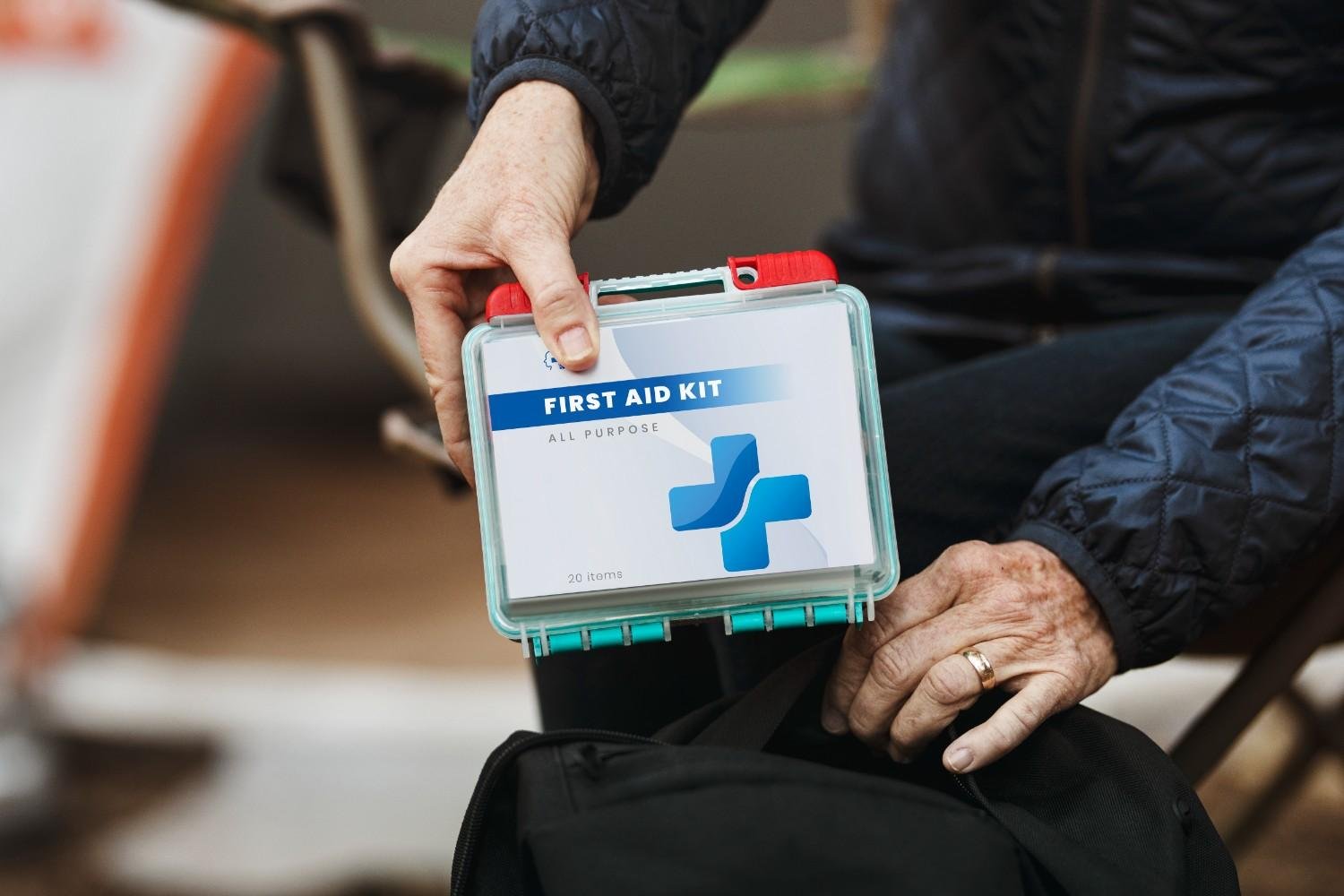
Pack prescriptions, medication and emergency contact lists, insurance information, identification, equipment manuals, serial numbers, written device settings, chargers, adapters, batteries, and essential medical supplies.
Aim for a seven-day medication supply when prescription limits, insurance rules, and storage requirements allow it. Discuss the appropriate emergency quantity with the patient’s doctor and pharmacist.
Use a thermometer and approved cooler for refrigerated medicine. Follow the product label and pharmacist’s advice because excessive heat or freezing can damage certain medications. The CDC recommends asking a doctor or pharmacist how to create and safely store an emergency medicine supply.
How Often Should You Test the Plan?
Review the plan every six months and whenever equipment, medication, caregivers, addresses, or batteries change.
Test actual runtime, inspect cords, rotate fuel and supplies, confirm emergency numbers, and practice transporting the patient and equipment. After utility power returns, verify that equipment settings have not reset. Do not use wet, damaged, overheated, or unreliable equipment until the manufacturer or supplier confirms that it is safe.
Frequently Asked Questions (FAQs)
1. What Should an Emergency Backup Plan for Home Medical Equipment Include?
An emergency backup plan for home medical equipment should cover device specifications, electrical loads, battery runtimes, three power layers, caregiver responsibilities, supplier contacts, medication protection, evacuation destinations, and a personalized relocation trigger.
2. Will a Utility Medical Registry Guarantee Faster Restoration?
No. Program rules and benefits vary by utility and state. Registration may provide alerts or assistance, but the household still needs independent power and evacuation options.
3. Can a Portable Power Station Run an Oxygen Concentrator?
It may run a compatible model when its voltage, waveform, continuous output, surge capacity, and usable battery capacity meet the manufacturer’s requirements. Confirm compatibility with the oxygen supplier before relying on it.
4. When Should Someone Call 911?
Call 911 when life-sustaining equipment fails, backup power is unavailable, urgent symptoms develop, safe transportation cannot be arranged, or remaining runtime cannot support the patient until help arrives.
Final Safety Check
I would never trust one battery, generator, or phone number with someone’s medical safety. A rural home emergency preparedness checklist should include layered backup systems, trained caregivers, verified equipment data, protected medicine, reliable suppliers, and a practiced evacuation route.
Build the emergency backup plan for home medical equipment with the healthcare team and equipment provider now. Test every part of it before the next outage forces your family to depend on it.