Living in rural America can mean slower ambulance response, delayed power restoration, weak cell service, and only one road out. I use a rural home emergency preparedness checklist when stores, utilities, repair crews, or responders may not reach my property quickly.
The American Red Cross recommends storing three days of supplies for evacuation and two weeks of food and water for use at home. Remote households must also account for private utilities, blocked roads, animals, communication failures, and extended isolation.
What Emergencies Should Rural Homeowners Prepare For?
I start with local risks such as tornadoes, hurricanes, wildfires, floods, earthquakes, blizzards, ice storms, extreme heat, and long power outages. I also prepare for problems that may never receive a formal disaster declaration, including a failed well pump, contaminated water, septic trouble, barn fire, fallen tree, propane interruption, or blocked gravel road.
I sign up for county alerts, follow my nearest National Weather Service office, and keep a battery-powered, solar, or hand-crank NOAA Weather Radio. NOAA Weather Radio broadcasts official warnings, watches, forecasts, and other hazard information around the clock. I also maintain written emergency contacts and family meeting places.
How Much Water and Food Should a Rural Home Store?

I store at least one gallon of water per person per day for drinking and sanitation, plus enough water for pets and livestock. I aim for a two-week supply because an electric well pump stops working during a power outage.
If the well design allows it, I ask a professional to select a compatible manual hand pump. I also keep food-grade containers, gravity-fed filters, portable purification supplies, and clear treatment instructions.
I never assume collected rainwater or flood-affected well water is safe to drink. The Environmental Protection Agency recommends inspecting, disinfecting, and testing a private well after flooding or suspected contamination.
My food reserve includes canned goods, freeze-dried meals, shelf-stable staples, infant supplies, pet food, and meals that require little or no cooking. I rotate stored food before it expires and keep a heavy-duty manual can opener nearby.
What Should I Do If My Well or Septic System Floods?
I stop drinking from a flooded well until local officials or a qualified professional confirm that the water is safe. My emergency kit for homes in wildfire zones also includes a backup supply of bottled water in case flooding, ash, or damaged utilities contaminate the household water source.
If the septic drain field remains saturated, I reduce household water use to lower the risk of sewage backup and additional system damage. The EPA advises homeowners not to use a sewage system until the water surrounding the absorption field has fallen sufficiently.
How Can I Safely Back Up Power, Heat, and Cooking?
I first identify essential electrical loads, including the well pump, refrigerator, freezer, furnace controls, medical equipment, communication devices, and basic lighting. Depending on the property, I may use a professionally installed standby generator, a dual-fuel portable generator, a solar generator, or a battery power station. I also keep high-capacity power banks charged and maintain solar-charging docks for smaller devices.
The Centers for Disease Control and Prevention advises operating portable generators outdoors more than 20 feet from doors, windows, and vents. I keep working carbon monoxide alarms inside the house and never run a fuel-powered generator in a garage, barn, basement, carport, or partly enclosed area. A licensed electrician should install transfer equipment connected to the home.
I store gasoline, diesel, and propane in approved containers, follow local fire regulations, rotate supplies, and use fuel stabilizer when appropriate. I operate propane camping stoves and charcoal grills outdoors only.
For winter heat, I maintain seasoned firewood and inspect my chimney or wood stove before cold weather. I use a portable propane heater indoors only when the manufacturer specifically approves it for indoor operation and all ventilation and clearance requirements can be followed.
How Do I Keep a Remote Driveway and Evacuation Route Open?

A single fallen tree can isolate a rural home. I maintain a chainsaw, extra chains, bar oil, fuel, axes, handsaws, pry bars, gloves, eye protection, and hearing protection.
Properly rated towing chains or a winch may help move manageable debris, but I stay away from downed power lines, unstable trees, floodwater, and situations that require professional equipment.
My vehicle plan includes a well-maintained four-wheel-drive vehicle, a reliable fuel reserve, traction boards, jumper cables, tire-repair supplies, blankets, food, water, and a phone charger. For winter access, I prepare a snowblower or plow, tire chains, shovels, and bulk rock salt or sand.
I map two evacuation routes whenever possible and mark gates, bridges, low-water crossings, wildfire zones, and roads likely to drift shut. I keep paper maps in each vehicle, install a reflective address marker, and store written GPS coordinates and gate instructions for emergency responders.
What Communication Systems Work Without Cell Service?
My rural home emergency preparedness checklist relies on several communication layers instead of one device. A NOAA Weather Radio delivers official warnings, while FRS or GMRS radios can support communication around the property or between nearby households.
Amateur radio may provide broader communication options for trained and properly licensed operators. For a very remote property, I may also consider a satellite messenger or satellite internet backup, such as Starlink supported by generator or battery power.
I still keep a physical directory containing emergency, utility, veterinary, well contractor, septic service, neighbor, and out-of-area family contacts. Electronic systems can lose power, experience congestion, or fail completely.
What Medical Supplies Should a Remote Household Keep?
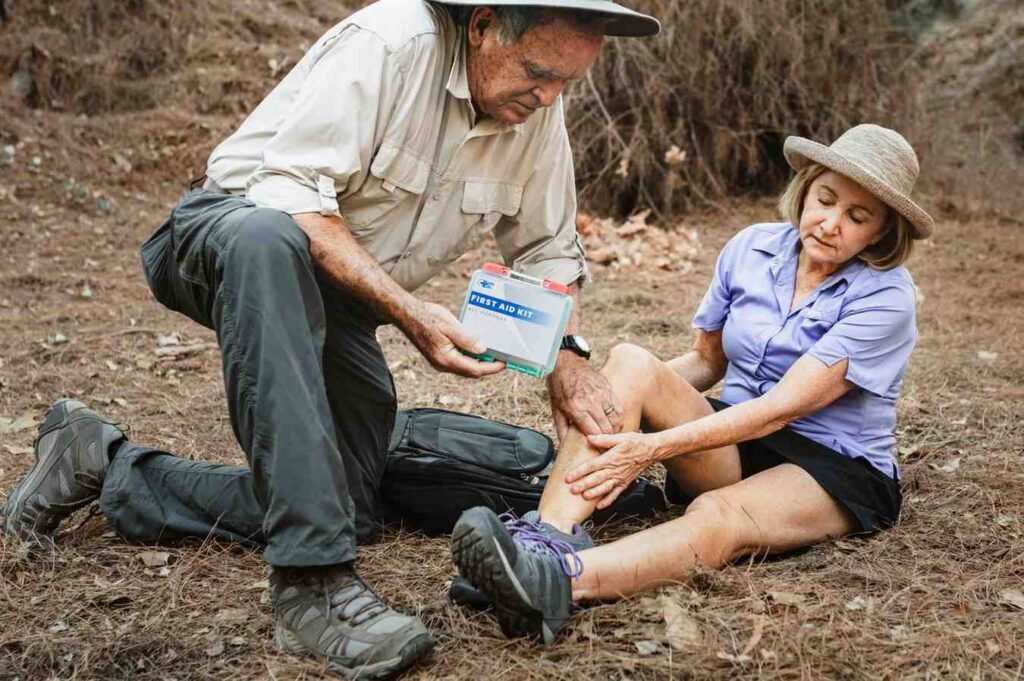
I maintain a complete first-aid kit with tourniquets, pressure bandages, splints, sterile dressings, and burn supplies. I also keep a printed wilderness first-aid manual.
Training matters as much as equipment. I maintain CPR and first-aid knowledge so I can respond safely while waiting for emergency medical services.
I ask my healthcare professional, pharmacy, and insurer about maintaining an emergency supply of critical prescriptions, ideally up to 30 days when medically and legally permitted. I also store medical summaries, allergy information, spare glasses, backup hearing-aid batteries, and emergency power for essential medical devices.
How Should I Prepare Pets, Livestock, and Important Records?

For pets, I store food, water, medication, carriers, leashes, identification, and vaccination records. For livestock, I plan feed and water reserves, shelter, backup fencing, identification, transportation, and an evacuation destination that can accept the animals.
I photograph my house, barn, machinery, vehicles, tools, fencing, and valuable possessions for insurance purposes. I keep identification, insurance policies, medical records, property documents, emergency cash, and printed contacts in a waterproof, fire-resistant container with secure digital backups.
Frequently Asked Questions (FAQs)
1. Is a 72-Hour Emergency Kit Enough for a Rural Home?
Usually not. I keep a portable three-day evacuation kit, but I plan for at least two weeks at home because rural roads, power lines, pharmacies, fuel stations, and grocery stores may recover slowly.
2. How Often Should Rural Emergency Supplies Be Checked?
I inspect food, water, medication, batteries, fuel, radios, generators, carbon monoxide alarms, animal supplies, and seasonal equipment twice a year and before the main hazard season in my region.
3. Should Rural Neighbors Be Included in the Emergency Plan?
Yes. Trusted neighbors can exchange alerts, check isolated residents, report blocked roads, and coordinate equipment. However, no one should attempt unsafe electrical work, tree removal, floodwater crossings, or rescues without proper training.
4. What Is the Most Important Rural Preparedness Upgrade?
Reliable water often comes first. Stored drinking water, a practical well backup, safe treatment equipment, and a septic-failure plan protect the household when electricity and road access disappear.
Stay Ready Before a Rural Emergency Cuts You Off
I cannot control how quickly crews restore electricity or clear a county road. I can prepare water, food, power, medical supplies, communications, animal plans, access routes, and protected records.
By reviewing this rural home emergency preparedness checklist every season, I give my family a safer, more practical way to handle long periods without utilities or outside assistance.