Wildfire danger does not always begin with visible flames. It may start with ash on the driveway, an emergency alert at midnight, or a sky that suddenly turns orange. In those moments, I do not want to decide what to pack while smoke thickens and evacuation routes become crowded.
That is why I treat an emergency kit for homes in wildfire zones as more than a box of supplies. It is a ready-to-use evacuation system that protects my family, pets, medications, documents, and communication needs when every minute matters.
By preparing a portable go bag and a separate home supply cache in advance, I can respond quickly whether officials order an evacuation or advise residents to remain indoors during dangerous smoke conditions.
What Should Every Wildfire Go Bag Contain?
I pack one easy-to-carry backpack for each household member and keep it near the main exit. Individual go bags distribute weight and keep each person’s medication, identification, clothing, communication supplies, and emergency food supply for families with food allergies accessible.
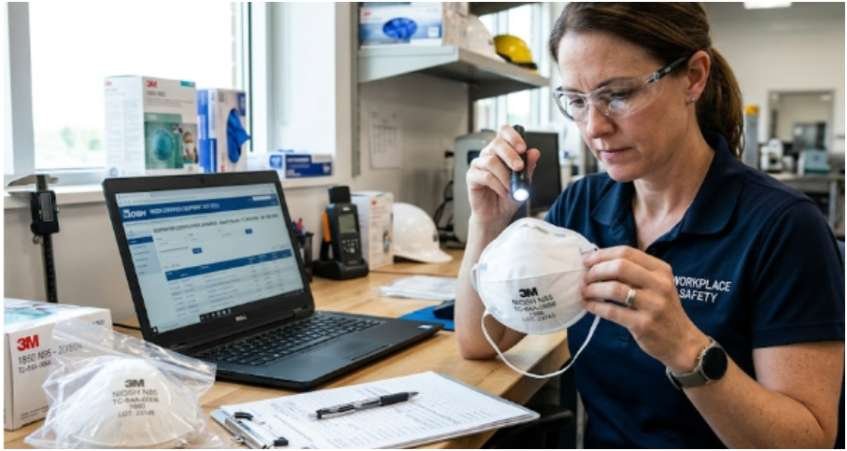
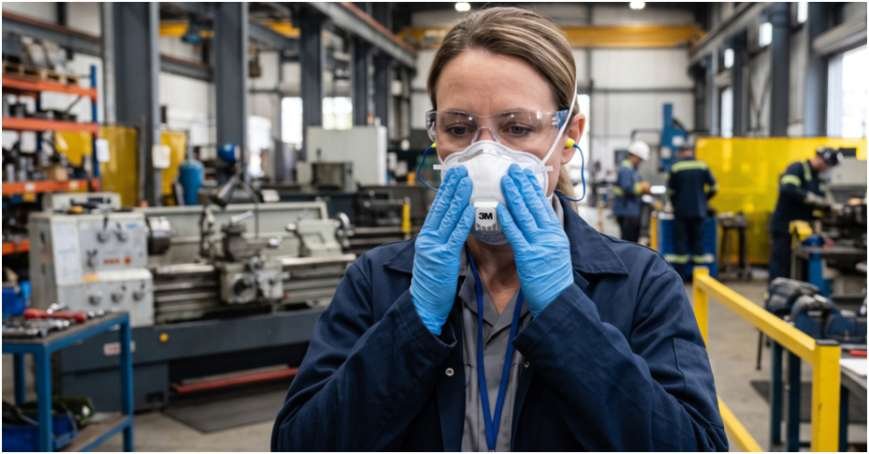
For smoke protection, I include several NIOSH-approved N95 or P100 respirators per person. A snug fit matters, and dust masks or bandanas are not reliable substitutes. The Environmental Protection Agency recommends keeping approved respirators available and learning how to wear them before wildfire smoke arrives.
I pack at least 3 liters of water for the first day and maintain enough shared water to reach approximately one gallon per person per day. I add high-energy, nonperishable foods that require no cooking, including nutrition bars, crackers, dried fruit, shelf-stable protein, and ready-to-eat meals. Ready for Wildfire recommends a three-day supply of food and three gallons of water per person.
Each wildfire evacuation kit also needs leather work gloves, safety goggles, heavy boots or sturdy closed-toe shoes, and long-sleeved cotton or wool clothing. These items provide an extra layer of protection from ash, sharp debris, and flying embers.
For power and communication, I add flashlights, spare batteries, a hand-crank or battery-powered NOAA weather radio, fully charged power banks, and charging cables that match every household device. I also keep emergency contact numbers written on paper in case a phone becomes damaged or loses power.
How Much Medication and First Aid Should You Pack?
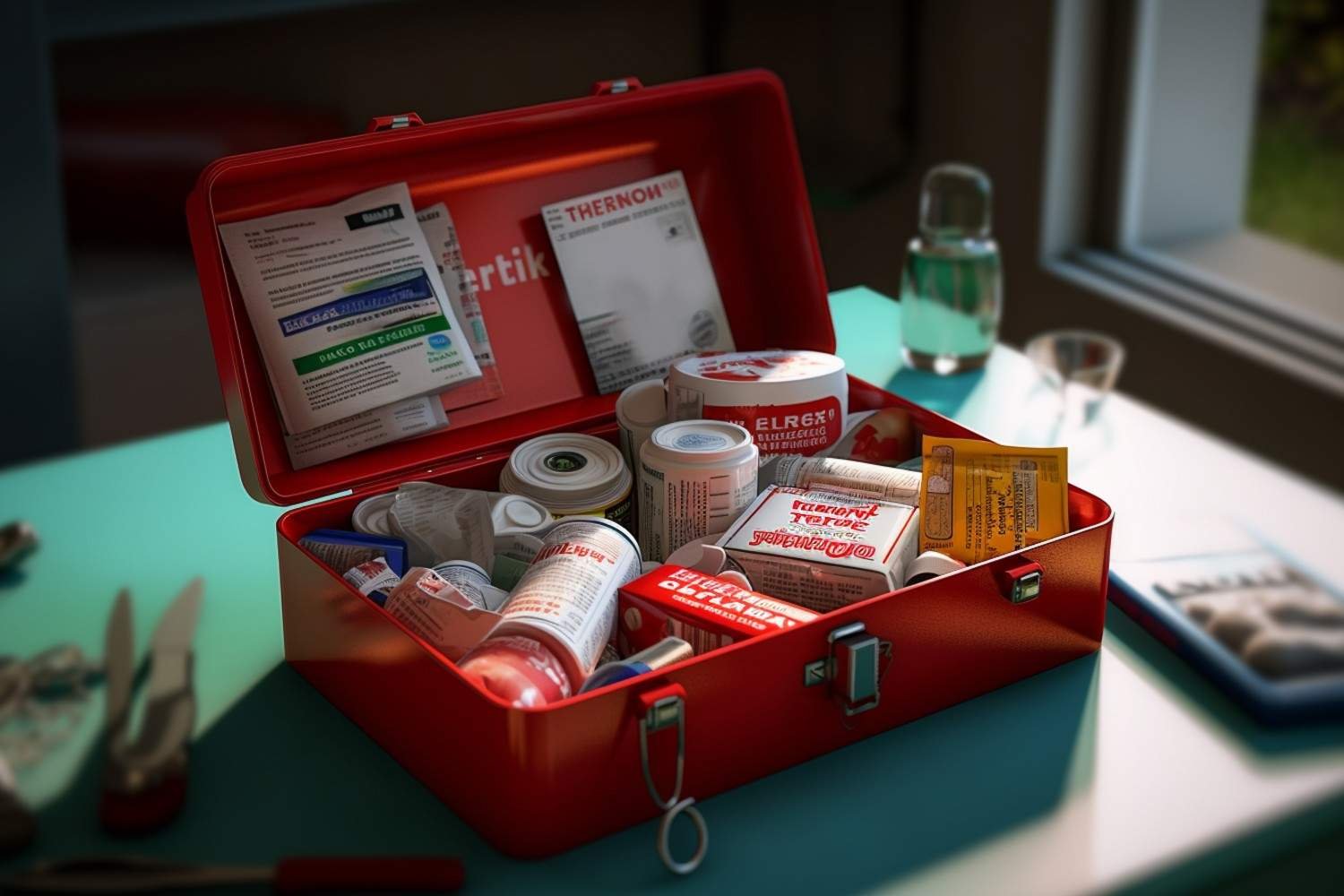
I include a complete first-aid kit, spare eyeglasses, prescription details, and at least a seven-day medication supply when refill rules allow. The Centers for Disease Control and Prevention advises people with chronic conditions to keep a 7-to-10-day supply of prescription medicine in a waterproof, childproof container.
People with asthma, COPD, heart disease, diabetes, kidney disease, or pregnancy-related risks may experience greater health effects from wildfire smoke. I recommend keeping inhalers, medical equipment, written treatment instructions, and healthcare contact information immediately accessible.
Medications should never be buried beneath heavier supplies. I place them near the top of the bag so I can retrieve them quickly during evacuation or while staying in a temporary shelter.
Which Emergency Documents Should Go in a Waterproof Pouch?
I store copies of driver’s licenses, birth certificates, passports, home insurance policies, medical histories, emergency contacts, property records, and pet vaccination documents in a waterproof pouch.
I also pack cash in small bills, spare house and vehicle keys, and printed maps showing at least two evacuation routes. Wildfires can interrupt cellular service, internet access, ATMs, gas pumps, and electronic payment systems, so physical backups remain valuable.
Before fire season, I photograph every room and document valuable appliances, electronics, tools, furniture, and vehicles. I save this home inventory and scanned copies of important records in secure cloud storage so the only copies are not left inside the house.
What Belongs in a Shelter-in-Place Supply Cache?
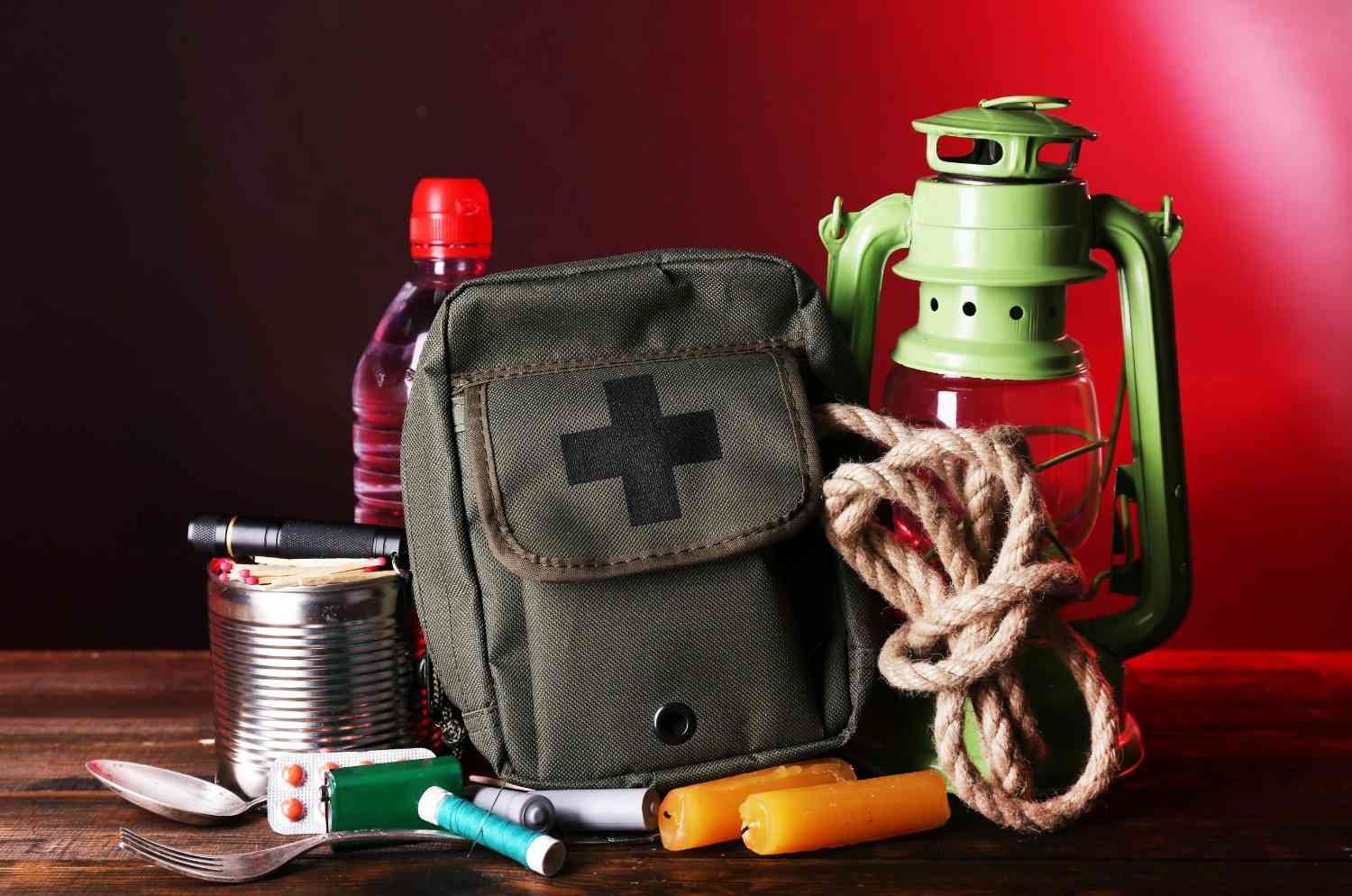
A shelter-in-place cache is not permission to remain in a wildfire’s path. I use it for extended smoke events, power interruptions, or situations in which local emergency officials specifically advise residents to stay indoors. If roads become blocked, I follow emergency instructions instead of attempting an improvised home-defense operation.
This emergency kit for homes in wildfire zones should contain three to five days of water in food-grade containers, calculated at approximately one gallon per person per day. I also store no-cook food, wet wipes, large trash bags, portable toilet bags, soap, paper products, blankets, extra batteries, and a portable air cleaner when available.
The EPA notes that officials may advise residents to remain indoors during heavy smoke and recommends closing windows and doors while using effective indoor air filtration.
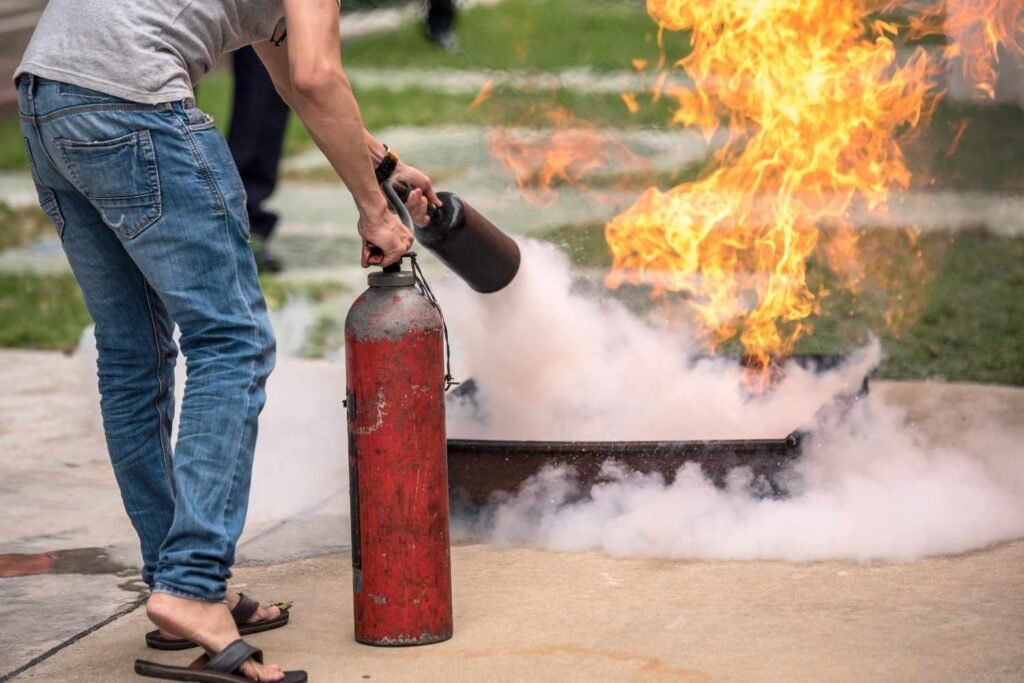
For basic fire readiness, I place multipurpose Class A:B fire extinguishers near accessible exits and maintain a pre-connected garden hose with a spray nozzle. Ready for Wildfire recommends hoses that can reach the property and keeping a ladder available for firefighter roof access. I do not climb onto a roof during smoke, high winds, darkness, or ember exposure.
I keep a shovel for routine brush clearing and a utility wrench for gas or propane controls. I shut off utilities only when officials instruct me or when my utility provider has explained the correct procedure. None of this equipment should delay evacuation.
What Should You Pack for Pets and Vulnerable Family Members?
A pet emergency kit needs carriers, leashes, food, water, bowls, medications, waste bags, identification, recent photographs, and vaccination records. Ready.gov recommends preparing pets for travel and building their emergency supplies before a disaster occurs.
For infants, I include formula, feeding supplies, diapers, clothing, and familiar comfort items. Older adults and people with disabilities may need mobility aids, hearing-aid batteries, communication cards, backup medical equipment, and assistance entering the vehicle.
I assign these responsibilities before wildfire season so nobody assumes that another household member packed the medication, secured the pet carrier, or collected essential equipment.
Where Should You Store and Maintain Wildfire Supplies?
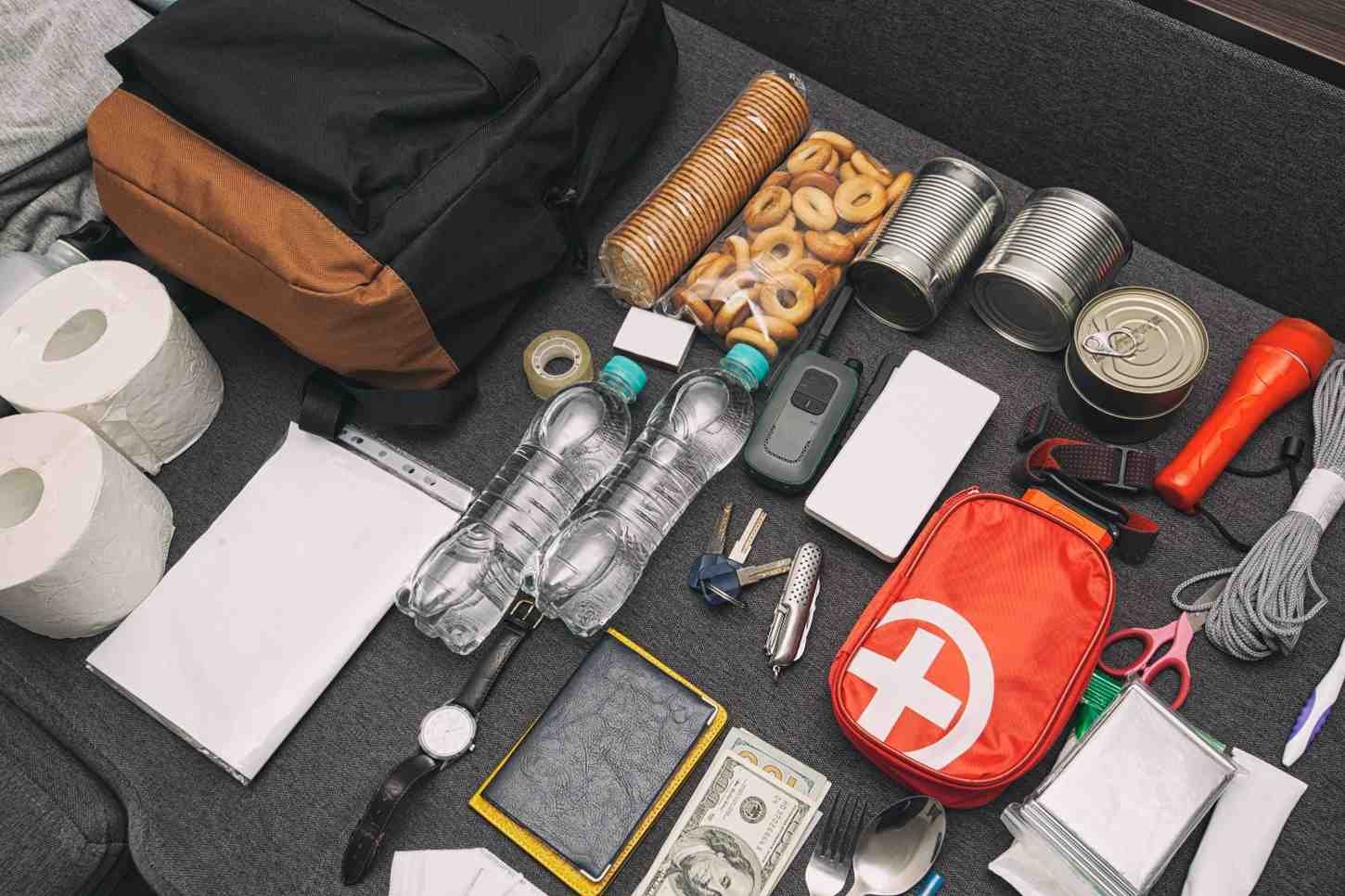
I keep personal go bags beside the primary exit, shared supplies near the vehicle, and a smaller emergency kit in every car. The vehicle kit holds water, nonperishable food, maps, respirators, first aid, seasonal clothing, chargers, and emergency contact information.
Ready for Wildfire recommends placing the go bag in the vehicle and positioning the car for a quick departure. I avoid storing my only emergency supplies in an attic, detached shed, or inaccessible basement corner.
I inspect every kit every six months and again before peak wildfire season. I replace expired food, water, medicine, respirators, and batteries; recharge power banks; test radios and flashlights; update documents and clothing sizes; and confirm that each person can carry their bag.
The best emergency kit for homes in wildfire zones removes last-minute decisions. When an evacuation warning arrives, I can load people, pets, medicine, and essential supplies immediately. When an order arrives—or conditions become unsafe—I leave without waiting to retrieve anything else.
Frequently Asked Questions (FAQs)
1. Should I Evacuate or Shelter in Place During a Wildfire?
Evacuate when authorities order it and leave earlier if you feel unsafe. Stay indoors only when local officials specifically advise it or when leaving creates a greater immediate danger.
2. How Many Days of Water Should a Wildfire Kit Include?
Keep at least three days of water at approximately one gallon per person per day. A five-day supply may suit remote households or communities with limited evacuation routes.
3. Is an N95 Respirator Enough for Wildfire Smoke?
A properly fitted, NIOSH-approved N95 respirator can reduce exposure to smoke particles, but it does not remove every harmful gas and never makes it safe to remain inside an evacuation zone.
4. Can a Garden Hose or Fire Extinguisher Save My Home?
These tools may help control a small, manageable hazard when conditions are safe, but they cannot stop an advancing wildfire. Never delay evacuation to defend property.
Final Thoughts
Wildfires leave little room for hesitation, which is why I believe preparation must begin long before smoke appears on the horizon. A well-organized emergency kit for homes in wildfire zones gives every household member access to water, food, medication, protective gear, communication tools, and vital documents when time is limited.
I recommend keeping individual go bags near the main exit, maintaining a separate home supply cache, preparing pet and vehicle kits, and checking every item at least twice a year. No emergency kit can replace an evacuation order, but the right preparation can prevent confusion, reduce delays, and help my family leave safely when conditions change without warning.