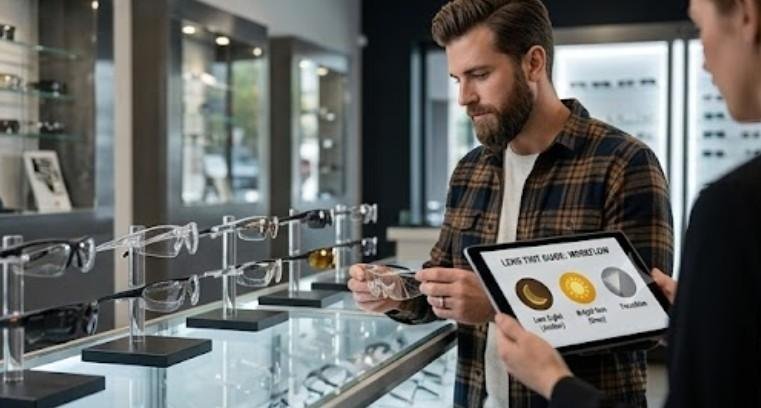
Knowing how to choose safety glasses helps you protect your vision without sacrificing comfort during long workdays. The right pair should provide the appropriate impact protection, fit securely without slipping, and offer lens coatings that reduce fogging, glare, or scratches based on your work environment.
Investing in high-quality protective eyewear not only improves visibility and productivity but also reduces the risk of preventable eye injuries. With the right fit and safety features, you can work confidently while keeping your eyes protected every day.
Key Takeaways
- Match hazards to ratings: ensure you choose ANSI Z87+ for high-velocity impacts or D3 for chemical splashes.
- Select light polycarbonate or durable Trivex lenses with dual-sided anti-fog coatings to keep vision crystal clear.
- Check frame wrap and peripheral seal gap depth; it should strictly remain under 6 millimeters.
- Calculate Pupillary Distance precisely when converting daily prescription values to wrap safety eyewear frames.
- Pick specific lens tint Visible Light Transmittance levels to match actual working lighting conditions perfectly.
The Complete Safety Eyewear Guide
Why Proper Eye Protection Matters
Skipping safety gear is like playing Russian roulette with flying debris and blinding glare. Understanding how to choose safety glasses keeps you away from emergency rooms and turns uncomfortable eye gear into a sleek tool you actually want to wear all day.
Verify Certified Safety Ratings
Eyewear protection relies on rigid criteria stamped right into the frame or lens corner. The standard ANSI Z87.1 guarantees basic coverage against low speed particulate hazards in light assembly work. High impact ANSI Z87+ certifications ensure gear withstands intense mechanical stress from power tools.
Specialty ratings like D3 shield against liquid chemical splashes, while D4 and D5 ratings prevent fine dust infiltration. International sites enforce CSA Z94.3 in Canada or EN166 in Europe to ensure complete worker safety.
| Protection Level | Primary Rating | Impact Resistance | Ideal Work Environment |
| Basic Impact | ANSI Z87 | Low speed steel ball drop | Assembly, inspection, yard work |
| High Impact | ANSI Z87+ | High speed projectile test | Grinding, chipping, power tools |
| Chemical Splash | ANSI Z87+ D3 | Liquid droplet perimeter seal | Chemical handling, liquid pouring |
| Dust Seal | ANSI Z87+ D4 / D5 | Fine particulate gasket seal | Drywall sanding, insulation work |
Pick Premium Lens Materials
Selecting optics comes down to balancing weight, durability, and optical clarity for your specific tasks. Polycarbonate is the standard choice because it weighs very little and offers native shatter resistance against flying sparks.
Trivex lenses deliver crisper optics with zero center distortion while keeping impact resistance high. High index plastic provides a sleek alternative for heavy prescriptions, though it trades off some impact durability.
Match Lens Tints to Lighting

Lens tints control light levels to shield your eyes from harmful light and harsh glare. Clear lenses allow maximum light transmission, making them perfect for indoor operations and dim shop floors.
Amber lenses sharpen contrast in overcast weather, while gray lenses block outdoor glare without changing color perception. Indoor and outdoor transition lenses allow smooth movement between sunny yards and shaded indoor bays.
Select Frame Style and Coverage
Your work environment dictates the physical coverage required to block lateral debris. Standard safety glasses feature flat front frames with integrated side shields for classic protection during light tasks.
Wraparound frames follow facial contours for seamless peripheral coverage without extra bulk. Sealed safety goggles utilize rubber gaskets to block airborne sawdust, fine grit, and dangerous chemical splashes completely.
Test Ergonomics for Proper Fit
Poorly fitting eyewear causes discomfort and leads to dangerous gear removal during work shifts. Ensure the frame sits close to your face without touching your eyelashes, keeping gaps under six millimeters. It helps with chemical safety compliance guidelines.
Verify that side frames do not block peripheral vision or create pressure points behind your ears. Test security by shaking your head side to side to ensure the bridge stays firmly on your nose.
How to Choose Safety Glasses Step-by-Step
Audit Job Site Hazards
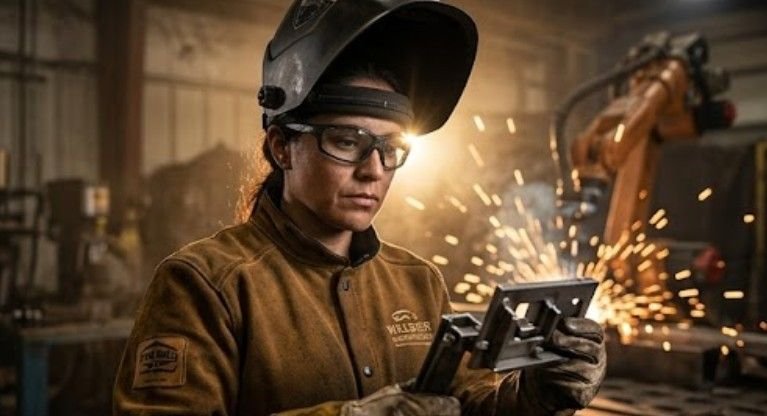
Examine your work zone to identify threats like flying metal chips, splash chemicals, or intense sunlight. Review site requirements to determine whether you need basic Z87 frames or high velocity Z87+ protection to stay compliant.
Test Lens Tints and Coatings
Select lens shades and anti-fog treatments that match your actual lighting environment. Clear anti-fog lenses suit indoor shops, amber lenses improve low light detail, and polarized gray lenses eliminate harsh outdoor glare.
Confirm Secure Frame Geometry
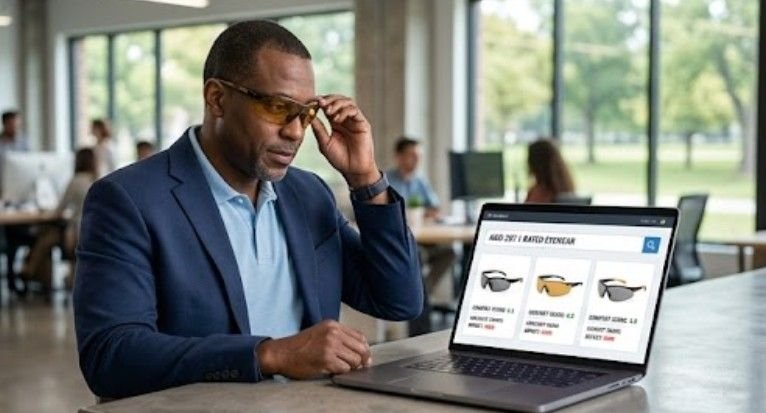
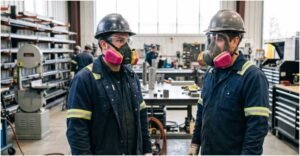
Wear your safety glasses alongside hard hats, dust masks, and ear protection to test gear compatibility. Move your head in all directions to verify the frame stays secure without sliding down your nose.
Frequently Asked Questions
1. What is the difference between Z87 and Z87+ safety glasses?
ANSI Z87 covers basic drop ball impact resistance for low energy hazards. Z87+ indicates high impact certification, meaning lenses and frames survived high velocity steel projectile testing for heavy power tool operation and construction work.
2. How do I know if my glasses are Z87?
Check for official safety markings permanently stamped or etched directly into the frame temples or lens corners. Genuine safety glasses always feature legible manufacturer engravings showing Z87 or Z87+ ratings clearly.
3. What is the OSHA requirement for safety glasses?
OSHA mandates that employers provide eye protection complying with ANSI Z87.1 standards whenever workers face potential eye hazards from flying particles, molten metal, liquid chemicals, caustic gases, or light radiation.
4. What are considered the best safety glasses?
The best safety glasses combine ANSI Z87+ high impact ratings with permanent anti-fog coatings, lightweight polycarbonate lenses, and adjustable ergonomic frames that maintain a snug, gap free seal on your face.
Clear Vision, Zero Regrets: Protecting Your Eyes for Life
Mastering how to choose safety glasses is one of the best ways to protect your eyes from high-speed impacts, chemical splashes, flying debris, and harmful UV exposure. Selecting eyewear with the appropriate ANSI safety rating, durable lens materials, and a secure, comfortable fit ensures reliable protection throughout the workday.
Features such as anti-fog, anti-scratch, and polarized lenses can further improve visibility and comfort in different environments. By investing in high-quality safety glasses that match your specific job requirements, you can reduce the risk of eye injuries, stay compliant with workplace safety standards, and work with confidence, clarity, and peace of mind every day.