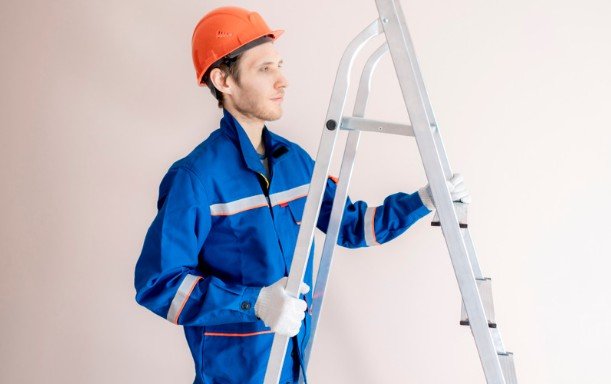
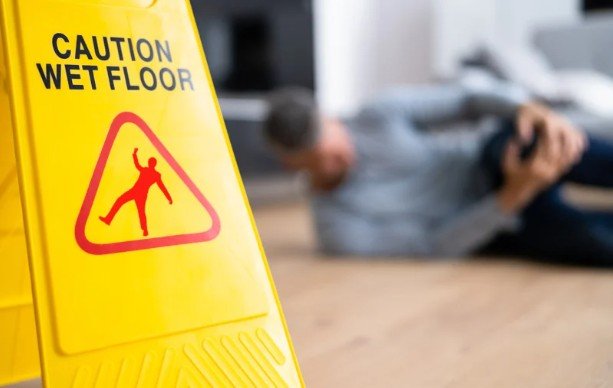
I have seen how an ordinary spill, loose cable, damaged stair tread, or poorly lit hallway can quickly become a serious workplace hazard. Learning how to prevent slips trips and falls at work requires more than displaying a wet-floor sign.
Employers need a practical prevention system that identifies hazards, removes them at the source, assigns responsibility, and encourages employees to report problems before someone is injured.
Why Slip, Trip and Fall Prevention Matters
Slips, trips, and falls can occur in offices, warehouses, hospitals, restaurants, retail stores, construction areas, and outdoor workspaces. The consequences may include sprains, fractures, head injuries, lost workdays, higher insurance costs, and reduced productivity.
Falls are not limited to roofs, ladders, or elevated platforms. A worker can suffer a serious injury after slipping on grease, tripping over a cable, or losing balance on an uneven floor. Bureau of Labor Statistics data recorded 844 fatal workplace falls, slips, and trips in 2024, demonstrating why prevention should remain a daily safety priority.
What Is the Difference Between Slips, Trips and Falls?
What Causes a Slip?
A slip happens when footwear loses traction with the walking surface. Common causes include water, oil, grease, cleaning chemicals, food waste, mud, ice, polished flooring, and unsuitable footwear.
Entrances, kitchens, washrooms, production areas, loading zones, and freshly cleaned floors often present a higher risk.
What Causes a Trip?
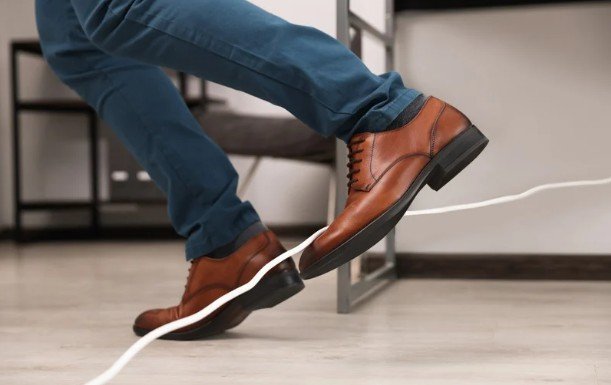
A trip occurs when a person’s foot strikes or catches an object, causing a loss of balance. Typical trip hazards include electrical cords, open drawers, damaged carpets, uneven flooring, poorly positioned equipment, cluttered aisles, loose mats, and unexpected changes in floor level.
Same-Level Falls and Falls From Height
A same-level fall happens when someone falls onto the surface on which they were walking. A fall from height may involve stairs, ladders, roofs, scaffolds, platforms, loading docks, or floor openings.
These incidents require different controls. Good housekeeping may reduce same-level falls, while elevated work may require guardrails, covers, safe ladder procedures, or personal fall-protection systems.
Common Workplace Hazards to Inspect
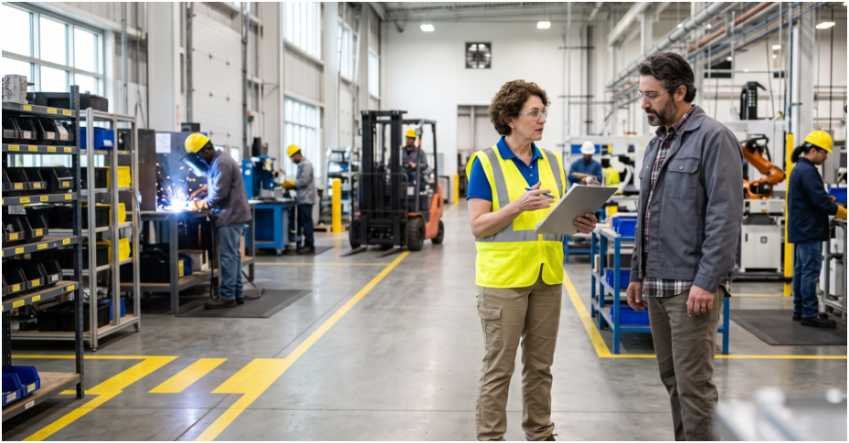
Managers should regularly examine entrances, hallways, stairs, restrooms, kitchens, production floors, storage spaces, parking areas, loading docks, and outdoor paths.
Important warning signs include recurring leaks, worn flooring, curled mat edges, poor drainage, missing handrails, blocked exits, dark stairwells, trailing cords, unstable ladders, and materials stored in walkways.
Inspections should also consider seasonal hazards. Rain can create wet entrances, while snow and ice may affect sidewalks, ramps, parking lots, and loading areas.
Use the Hierarchy of Controls
Eliminate Hazards First
The most effective approach is to remove the hazard completely. Repair a leaking pipe instead of repeatedly placing a bucket beneath it. Replace damaged flooring rather than covering it with warning tape. Reroute cables instead of asking employees to step over them.
Permanent correction usually provides better protection than depending on workers to remember a warning.
Install Engineering Controls
When elimination is not immediately possible, change the workplace to reduce exposure. Useful engineering controls include slip-resistant flooring, secured entrance mats, adequate drainage, stair handrails, improved lighting, cable covers, guardrails, floor-hole covers, and barriers around unsafe areas.
Workplaces with regularly wet processes may need drainage systems, platforms, mats, or dry standing areas. OSHA requires walking-working surfaces to be maintained in a clean and, where feasible, dry condition and kept free from hazards such as leaks, spills, loose boards, snow, and ice.
Strengthen Administrative Controls
Administrative controls include inspection schedules, cleaning procedures, employee training, warning signs, incident reporting, and restricted access.
These measures are valuable, but they should not replace physical correction. A warning sign alerts people to danger; it does not remove the spill, repair the floor, or stop a leak.
Improve Housekeeping and Spill Response
Good housekeeping should be continuous rather than limited to the end of a shift. Assign responsibility for each work area and provide employees with an easy way to report hazards.
Every chemical spill-response procedure should explain who secures the area, who cleans the spill, which materials must be used, and who confirms that the floor is safe again.
Clean spills promptly, use cleaning products suitable for the flooring, and avoid leaving excessive water or residue. Place temporary signs where they are visible, then remove them once the surface is completely dry.
OSHA guidance also recommends keeping aisles clear, providing non-slip surfaces where floors are regularly wet, maintaining stairs, and using slip-resistant footwear where appropriate.
Keep Walkways Clear and Well Maintained
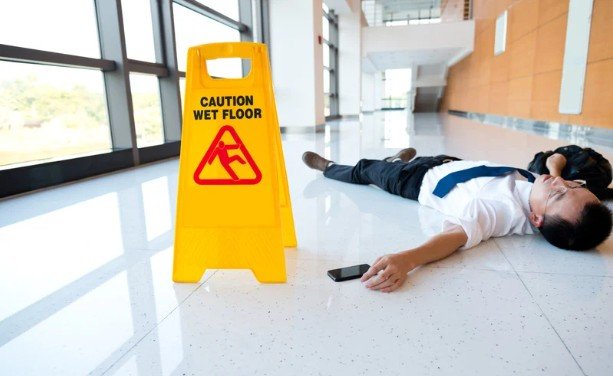
Avoid storing boxes, tools, waste, pallets, or supplies in aisles. Close cabinet drawers after use and route cords away from pedestrian traffic.
Repair cracked tiles, loose boards, damaged carpets, potholes, and uneven transitions as soon as possible. Secure mats so they cannot slide, bunch, or curl at the edges.
Stairs should have consistent steps, strong handrails, clear visibility, and slip-resistant surfaces. Employees should never use chairs, boxes, or unstable furniture as substitutes for approved ladders.
Select Suitable Footwear
Footwear should match the work environment. Employees working around oil, water, grease, food waste, or outdoor weather may need shoes with slip-resistant soles.
Shoes should fit correctly and remain in good condition. Worn tread, damaged soles, or loose footwear can reduce stability. However, footwear is the final layer of protection and should not be used as an excuse to leave floors contaminated or damaged.
Train Employees to Recognize Hazards
Training should show employees how to identify, report, and respond to hazards. It should cover spill procedures, safe ladder use, proper footwear, clear-walkway expectations, handrail use, and the importance of maintaining visibility while carrying materials.
Workers should be encouraged to report near misses without fear of blame. A near miss can reveal weaknesses in the hierarchy of controls before a more serious incident occurs.
Conduct Daily and Scheduled Inspections

A simple daily inspection should check whether floors are clean and dry, aisles are unobstructed, mats are secure, lighting works, stairs are maintained, and outdoor paths are safe.
More detailed weekly or monthly reviews should identify repeated problems and verify that corrective actions were completed. OSHA recommends using checklists while adapting inspections to the hazards of each workplace.
Record the hazard, location, person responsible, required action, target completion date, and verification result. Repeated hazards should be escalated rather than temporarily corrected each day.
What to Do After an Incident
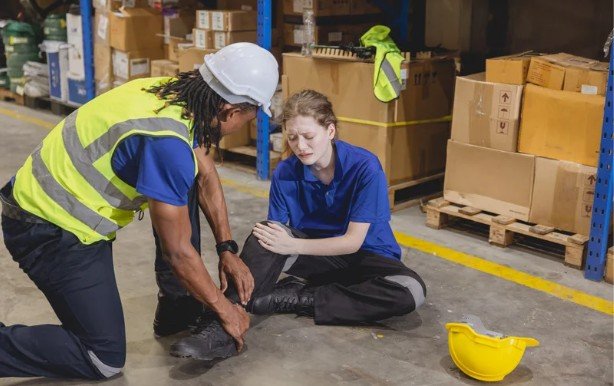
Provide appropriate medical assistance and secure the area immediately. Document the surface condition, lighting, weather, footwear, equipment, witnesses, and work activity involved.
The investigation should identify the root cause, not simply blame the injured employee. Ask why the hazard existed, why it was not detected, whether it had been reported previously, and why existing controls failed.
Use the findings to update inspections, training, maintenance procedures, and control measures.
Frequently Asked Questions
1. What is the best way to prevent workplace slips?
Remove contaminants quickly, repair leaks, improve floor traction, provide proper drainage, and use footwear suited to the environment.
2. Are wet-floor signs enough?
No. Signs provide a temporary warning but do not eliminate the hazard. The spill must still be contained, cleaned, and the area verified as safe.
3. How often should floors and walkways be inspected?
High-traffic and high-risk areas may require checks throughout each shift. A documented inspection schedule should reflect the workplace’s activities, weather exposure, and incident history.
4. How to Prevent Slips Trips and Falls at Work in Busy Areas?
Keep routes clear, control pedestrian traffic, clean spills immediately, improve lighting, secure mats, repair defects, and assign specific employees to inspect high-traffic locations.
Final Thoughts
I believe the most dependable prevention programs focus on permanent correction rather than warnings alone. Clean floors, clear walkways, suitable lighting, maintained stairs, safe equipment, effective training, and prompt reporting all contribute to a safer environment.
When I review a workplace, I look beyond the visible spill or obstruction and ask why it appeared, who should correct it, and how it can be prevented from returning. That approach turns isolated safety actions into a practical system that protects employees every day.