I never want a hurricane evacuation to become a frantic search for pet food, medicine, records, or a secure carrier. When roads begin filling and warnings become urgent, every lost minute matters.
Preparing a pet evacuation kit checklist for hurricane season gives me a clear plan for protecting my animals, organizing essential supplies, and leaving home without dangerous delays. With a waterproof go-bag ready near the exit, I can focus on getting every pet safely into the vehicle instead of wondering what I may have forgotten.
What Identification and Documents Do Pets Need?
I keep records in a waterproof pouch and digital copies on my phone. The file includes rabies and vaccination certificates, medical history, prescription details, and proof of ownership. Shelters and hotels may request health documents, so I check their rules early.
I record the microchip number, registry company, and phone, then confirm my mobile number is current. I pack solo photos of the pet and photos showing us together. My emergency sheet lists my regular veterinarian, local emergency clinics, and three veterinary hospitals outside the evacuation zone.
Written instructions explain feeding times, medication doses, allergies, health conditions, and behavioral quirks if someone else must provide care.
How Much Food and Water Should I Pack?

I pack 7 to 14 days of the food my pet already eats. I seal dry food in airtight waterproof bags and keep feeding directions with it. Canned food requires a manual can opener.
Water needs depend on species, size, diet, temperature, and health. For a large dog, a planning allowance may approach one gallon of bottled water per day when drinking and cleanup are included. Smaller pets need a proportional amount. I do not rely on tap or floodwater after a storm. Lightweight collapsible bowls work well anywhere.
The CDC advises households to prepare food, water, medication, and important documents for their pets. Some CDC emergency guidance recommends planning for as much as a two-week supply.
Which Carrier, Leash, and Travel Gear Should I Bring?
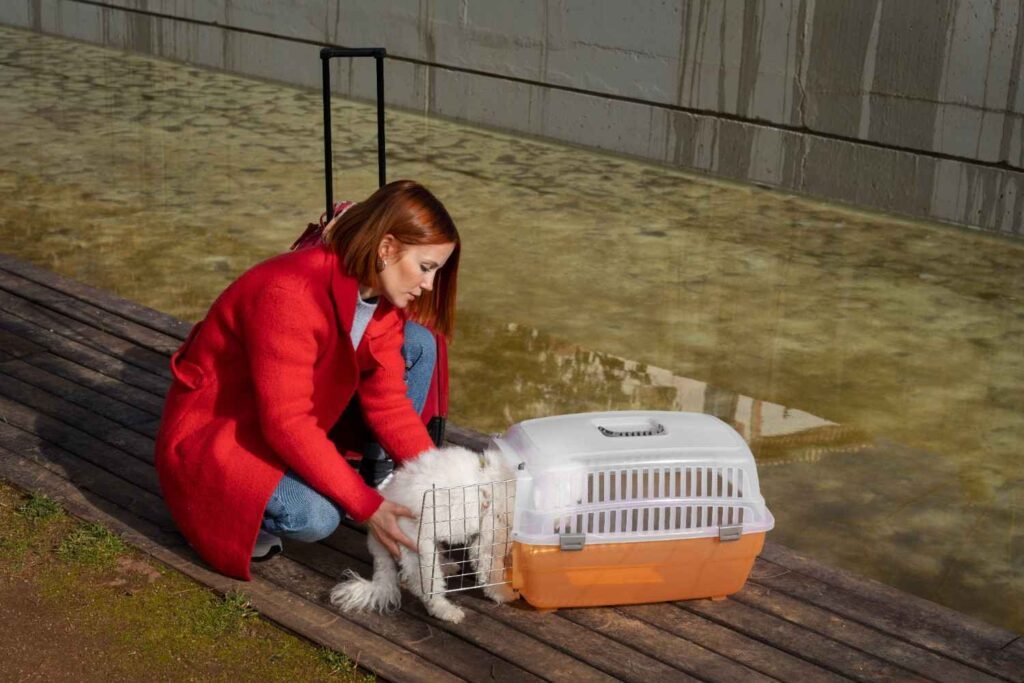
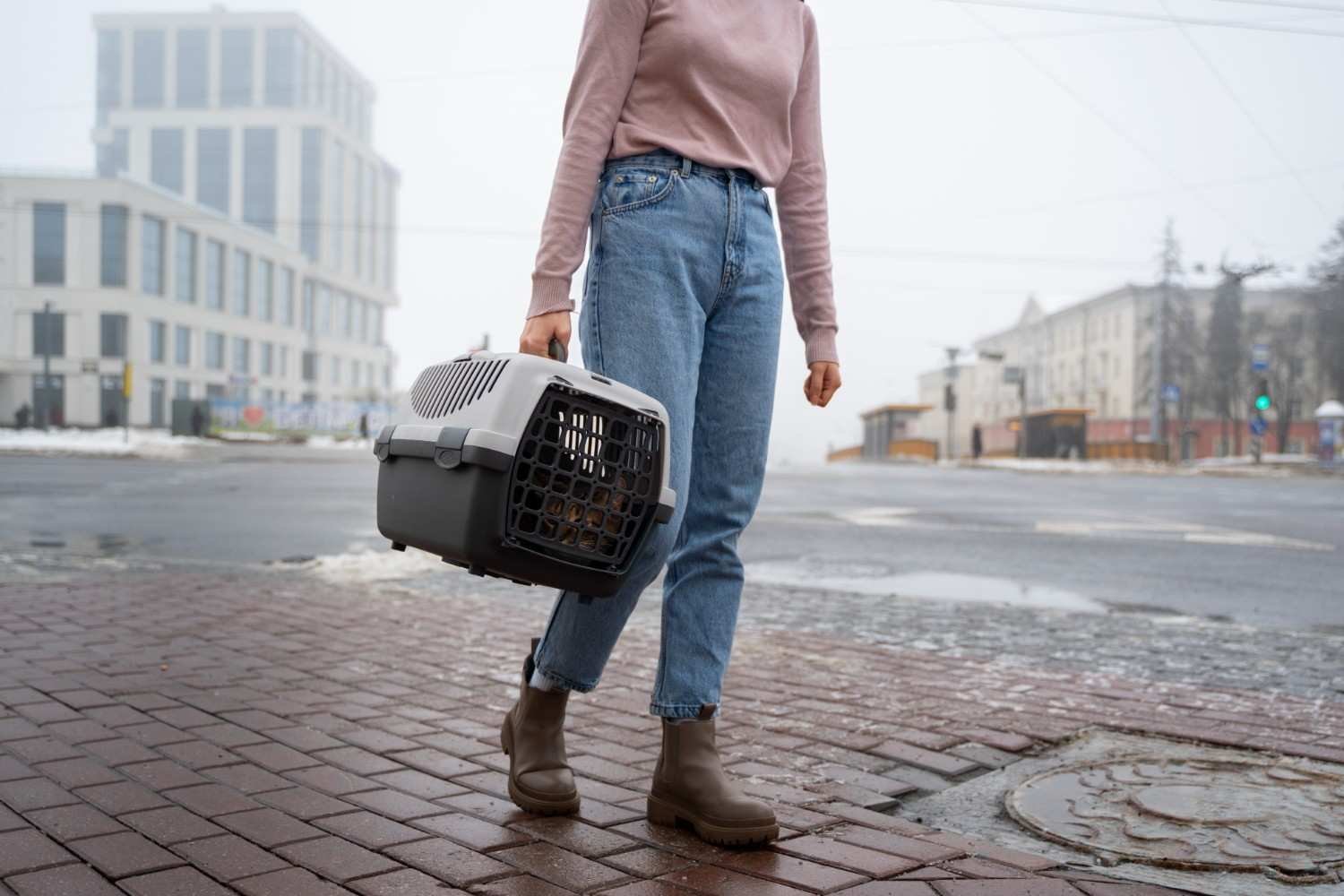
Every pet needs a sturdy carrier or crate that allows the animal to stand, turn around, and lie down. I label it with my name, mobile number, destination, pet’s name, and medical information. I confirm every carrier fits inside the vehicle.
Dogs need a durable collar or harness with current ID tags, one strong leash, and a backup leash. Cats and small animals should remain in secured carriers whenever doors open. Some communal shelters may require a dog muzzle, so I pack a properly fitted one and train the dog to wear it calmly.
Ready.gov recommends including a collar with identification, a harness or leash, a traveling bag, and ideally one crate or sturdy carrier for each pet.
What Sanitation Supplies Belong in the Go-Bag?
For cats, I pack a disposable litter pan, scoop, and sealed bag of familiar litter. For dogs, I bring waste bags and puppy pads. Paper towels, dish soap, pet-safe disinfectant, disposable gloves, and heavy-duty trash bags help separate waste, dirty bedding, and contaminated items.
After a hurricane, I keep pets away from standing water, floodwater, sharp debris, damaged electrical lines, and spilled chemicals. I wash my hands after handling pet food or waste, especially in crowded evacuation settings. Contaminated water and crowded conditions can increase health risks for animals and people following a disaster.
What Medications and First-Aid Items Should I Include?
I aim for at least a two-week supply of prescriptions in their original labeled containers, with dosage instructions. For insulin or other refrigerated medicine, I ask my veterinarian how to transport it safely. I also include a one-to-two-month supply of veterinarian-recommended flea, tick, and heartworm prevention.
My first-aid kit contains bandage rolls, gauze, medical tape, sterile scissors, tweezers, saline solution, disposable gloves, veterinarian-approved antibiotic ointment, and a pet first-aid guide. First aid never replaces veterinary care, so I keep emergency clinic numbers accessible.
For storm anxiety, I pack a familiar anxiety vest or veterinarian-approved calming aid. I never give a new sedative, supplement, or human medicine without professional guidance. The CDC recommends keeping pets current on appropriate flea, tick, heartworm, and vaccination protection, while the ASPCA (The American Society for the Prevention of Cruelty to Animals) includes pet first-aid supplies in its hurricane preparedness guidance.
Which Comfort Items Help During Evacuation?
A small blanket or towel that smells like home can help a pet settle. I also bring two or three favorite toys and treats for comfort and distraction.
I introduce carriers, muzzles, travel bowls, and vehicle routines during calm weather so pets resist less during a stressful evacuation. Familiar equipment and routines can make loading, transportation, and temporary sheltering easier.
Where Can I Take My Pet During a Hurricane?
I never assume the closest public shelter accepts pets. I check my city or county emergency management website for pet-friendly hurricane shelters and ask about records, carriers, animal limits, and check-in rules. I also identify pet-friendly hotels, veterinary boarding facilities, trusted friends, and relatives outside the hazard area.
I call hotels directly because online policies may not reflect emergency rules, and spaces can fill before an evacuation order arrives. Florida emergency officials recommend identifying different routes and possible shelter locations for animals. The American Red Cross also advises locating pet-friendly hotels and motels along evacuation routes.
What Should I Do Before and After Evacuating?

I bring pets indoors before conditions worsen, secure every animal before opening exterior doors, and leave when local officials instruct me to evacuate. I never leave a pet chained outside or abandoned at home.
I inspect the kit monthly during hurricane season, rotate food and water, replace expired medication, update photos, and check identification. After returning, I keep dogs leashed and cats contained until I inspect fencing, debris, mold, floodwater, and power hazards. I contact a veterinarian for injuries, breathing trouble, digestive symptoms, appetite changes, extreme fatigue, or unusual behavior.
Frequently Asked Questions (FAQs)
1. When Should I Prepare a Pet Hurricane Emergency Kit?
I prepare it before hurricane season, then review it whenever my pet’s health, medication, or evacuation destination changes.
2. Do All Emergency Shelters Accept Pets?
No. Policies vary by county and facility, and some shelters house household pets in a separate area. Confirm local arrangements before a storm approaches.
3. How Often Should I Update the Supplies?
Inspect food, water, medication, documents, tags, carriers, and sanitation products monthly during active storm months. Replace anything expired, damaged, or no longer appropriate for the pet.
4. What Is the Fastest Way to Check the Bag Before Leaving?
I attach a pet evacuation kit checklist for hurricane season to the container and highlight refrigerated medications, phones, chargers, and other last-minute items.
Preparing Now Protects Every Pet
I cannot control a hurricane, but I can prevent avoidable delays. A waterproof go-bag, secure transportation, current records, confirmed shelter options, practiced routines, and an emergency backup plan for home medical equipment help me protect every person and animal in my care.
Preparing early lets me follow evacuation orders without leaving a pet behind or risking the safety of anyone who depends on essential medical devices.