
Staying safe while working above ground level can feel like navigating a maze of regulatory numbers and complex compliance codes. Fall hazards consistently rank among the most frequently cited safety violations on job sites across the country every single year. Understanding exactly when fall protection is required ensures your crew remains completely safe while maintaining full compliance on every project.
Key Takeaways
- Elevation thresholds vary significantly by trade, ranging from 4 feet up to 15 feet.
- Working over hazardous machinery requires protective systems immediately, regardless of your physical working height.
- Personal fall arrest equipment must be carefully calculated to account for free fall, lanyard elongation, and safety margins.
- Passive systems like guardrails remove the human error factor inherent in active harness setups.
- Adopting ANSI best practices provides superior site safety that goes beyond standard federal minimum requirements.
Gravity Always Wins: Know About Height Triggers
Gravity has a flawless record, and gravity never takes a day off on the job. Understanding when fall protection is required keeps your workers tied off safely and saves your business from massive regulatory penalties.
Gravity does not care if you are fixing a quick roof leak or building a skyscraper. Setting up proper harness systems and guardrails turns dangerous elevated work into a safe, routine afternoon at the office.
Understanding Elevation Standards Across Specific Sectors
Every distinct work environment comes with its own unique structural hazards and regulatory baseline heights.
Safety requirements change significantly depending on whether you are working inside a factory or constructing a building. Federal safety guidelines establish distinct height limits across various trade sectors to ensure worker safety.
General Industry Regulations
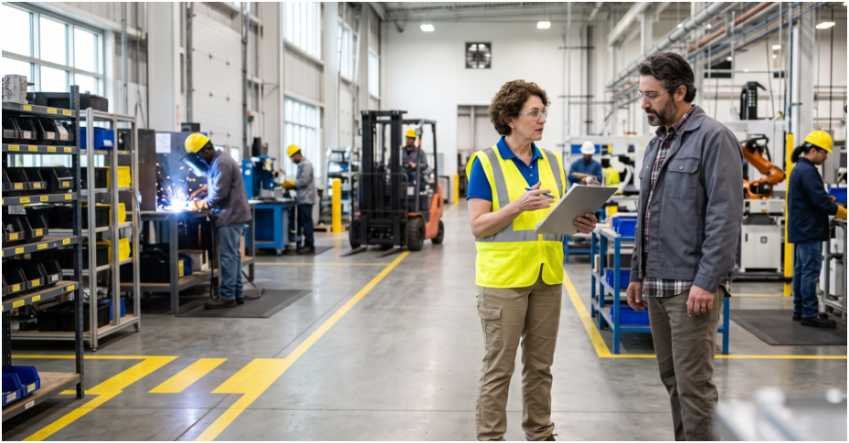
Manufacturing plants, processing facilities, and warehouses must follow strict general industry guidelines. Safety gear or guardrail barriers are required whenever an employee works at or above 4 feet from a lower level. This applies to elevated walkways, loading docks, and open pit areas.
Construction Site Baselines
Building and renovation projects operate under a higher threshold due to the dynamic nature of construction sites. Fall protection becomes mandatory the moment a worker is exposed to an unprotected edge at 6 feet or higher. This covers open floor edges, roof perimeters, and skylights.
Maritime and Cargo Rules
Shipyards and marine terminals follow specialized regulatory numbers tailored to ship repair and container handling. Shipyard workers require protection at 5 feet, while longshoring operations trigger safety enforcement at 8 feet.
Special Heights and Task-Specific Triggers
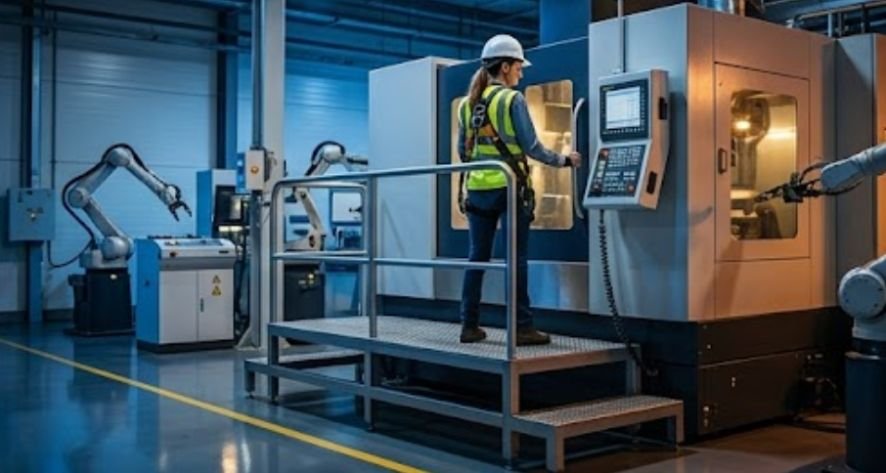
Certain specialized construction tasks follow higher height limits due to unique structural conditions.
Recognizing when standard industry rules yield to task-specific guidelines prevents safety oversights. Equipment setups like scaffolds and ladders alter the elevation calculation considerably.
Scaffolding Heights
Erecting and working on scaffolding gives workers slightly more vertical room before mandatory tie-offs kick in. Scaffolding systems require personal fall arrest gear or guardrails at 10 feet above lower levels. This buffer allows easier assembly of standard frame sections.
Steel Erection Guidelines
Ironworkers engaged in structural steel assembly follow specialized subpart rules for connection work. Personal fall protection triggers at 15 feet for general steel erection activities. Connectors receive additional flexibility up to 30 feet, though modern job sites strongly encourage continuous tie-offs.
Fixed Ladder Systems
Climbing long vertical fixed ladders introduces continuous exposure to dangerous vertical drop hazards. Fixed ladders stretching 24 feet or higher require integrated ladder safety systems or personal fall arrest setups. Modern rules completely phase out traditional ladder cages as primary fall protection.
The Non-Negotiable Zero-Height Exception
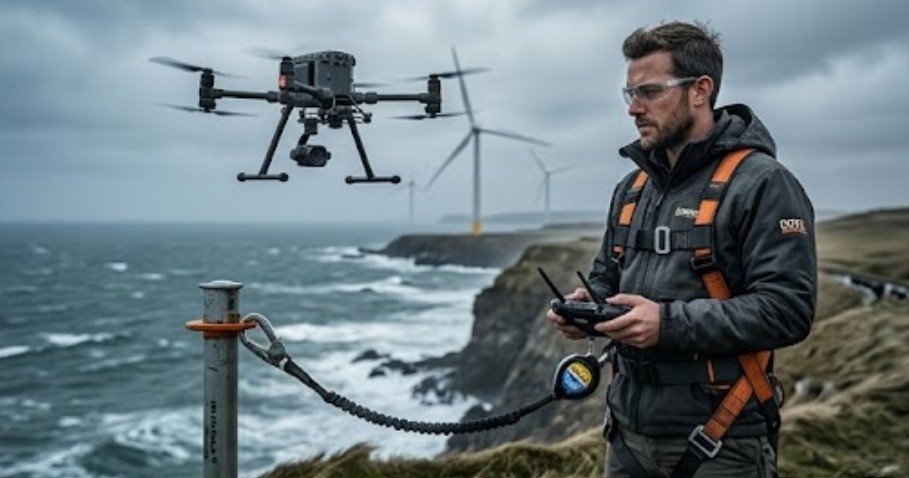
Specific workplace hazards completely remove standard elevation requirements from the compliance equation.
Height numbers do not matter if falling leads to severe contact with hazardous machinery below. Dangerous equipment requires instant protective barriers regardless of working distance.
Machinery Hazards
Working directly above moving conveyor belts, open drive gears, or heavy processing equipment demands continuous safety measures. Guardrails or equipment covers must be installed even if the working surface sits just one foot above the danger zone.
Workers operating near moving equipment should also understand how to choose safety glasses that provide suitable impact protection, secure coverage, and clear visibility for the specific machinery and task.
Chemical Vats and Tanks
Open tanks containing scalding liquids, acid solutions, or toxic chemicals present catastrophic fall outcomes. Protective guardrail systems or fall restraint harnesses are required at zero elevation height to prevent any possibility of immersion.
Choosing Effective Fall Prevention Systems
Selecting the proper safety solution depends on workspace layout, task frequency, and anchor availability.
Safety equipment functions best when matched directly to the physical layout of the work environment. Evaluating the control hierarchy helps safety officers select the most reliable safeguards.
Crews should also understand the different types of safety gloves available for handling cables, inspecting anchors, assembling guardrails, and working around sharp or abrasive materials.Evaluating the control hierarchy helps safety officers select the most reliable safeguards.
Passive Guardrail Protection
Guardrail systems offer continuous passive safety without relying on worker action or individual harness adjustments. Standard top rails must sit 42 inches high and support 200 pounds of outward force to prevent accidental edge falls.
Fall Restraint Systems
Travel restraint gear acts as a physical tether that limits worker movement toward an open edge. Allows the worker to reach fall protection in the hazard area, free-fall risks are eliminated entirely.
Fall Arrest Solutions
Full-body harnesses coupled with shock-absorbing lanyards serve as the ultimate line of defense when edges remain open. Personal fall arrest systems actively arrest a free fall mid-air before a worker strikes a lower surface.
How to Calculate Total Fall Clearance Distances
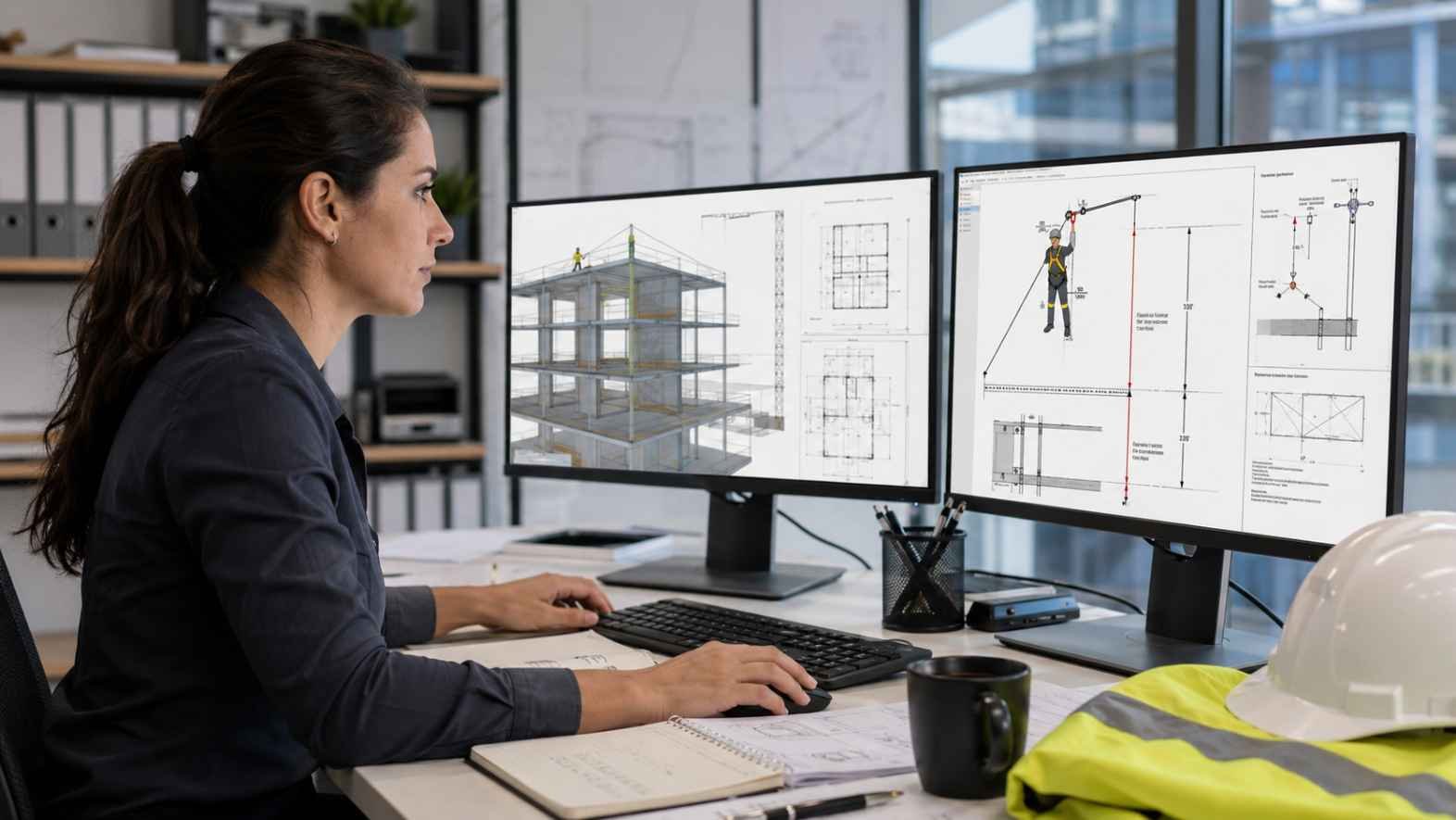
Using personal fall arrest equipment safely requires verifying that enough clear space exists below the working deck.
Failing to calculate total fall clearance can lead to severe ground impact before the shock absorber fully deploys. Following these steps ensures your clearance calculations remain accurate on every job site.
Step 1: Measure the total distance from the anchor point down to the nearest lower level or obstruction.
Step 2: Note the initial length of your lanyard connected to your back D-ring, usually 6 feet.
Step 3: Add 3.5 feet of deceleration distance to account for internal tear-webbing elongation during an arrest.
Step 4: Factor in 5 feet for total worker height and harness stretch as the system absorbs energy.
Step 5: Add a mandatory 2-foot safety margin to guarantee clear space beneath the suspended worker.
Step 6: Ensure total calculated clearance is less than the available height below the walking surface.
Frequently Asked Questions
1. At what point is fall protection required?
Fall protection is required whenever employees work on elevated surfaces with unprotected edges reaching specified industry height limits, or instantly when operating over dangerous machinery regardless of height.
2. At what height is fall protection mandatory?
Fall protection is mandatory at 4 feet in general industry, 5 feet in shipyards, 6 feet in construction, 8 feet in longshoring, and 10 feet on scaffolds.
3. When did fall protection become mandatory?
Federal fall protection requirements became mandatory with the establishment of OSHA in 1970, receiving major modern updates for construction standards in 1994 and general walking-working surfaces in 2017.
4. At what height is a ladder without fall protection?
Fixed ladders under 24 feet generally do not require fall arrest systems under federal guidelines, whereas fixed ladders reaching 24 feet or higher require dedicated ladder safety equipment.
The Drop Zone Stop: Final Words on Staying Grounded
Mastering when is fall protection required keeps your job sites running smoothly while protecting your crew from serious injury. Matching the right safety harnesses, guardrails, and anchor points to specific industry heights ensures full compliance across all operations. Calculate your clearances carefully, inspect your personal gear daily, and maintain a culture where staying safely anchored is second nature.