Latest posts
-
OSHA Injury and Illness Recordkeeping Requirements

A workplace injury can create two compliance deadlines before all the facts are clear. I treat OSHA injury and illness recordkeeping requirements as an incident-response system, not a year-end paperwork task. The safest approach separates urgent reporting from routine recording, then documents each decision. Accurate records help employers detect recurring hazards and measure prevention efforts.…
-
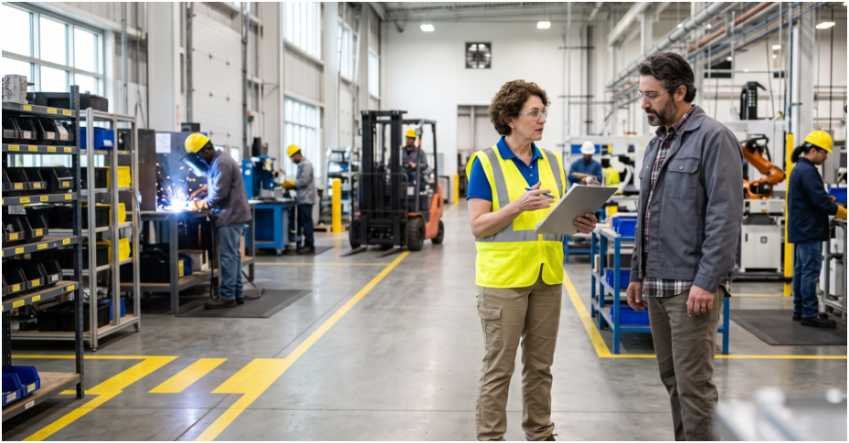
How to Prepare for an OSHA Workplace Safety Inspection

An unannounced visit can expose months of neglected records and unresolved hazards within minutes. The safest answer toI use a two-track test. The workplace how to prepare for an OSHA workplace safety inspection is to make readiness part of normal operations, not a frantic cleanup after an inspector reaches reception. must be safe, and the…
-
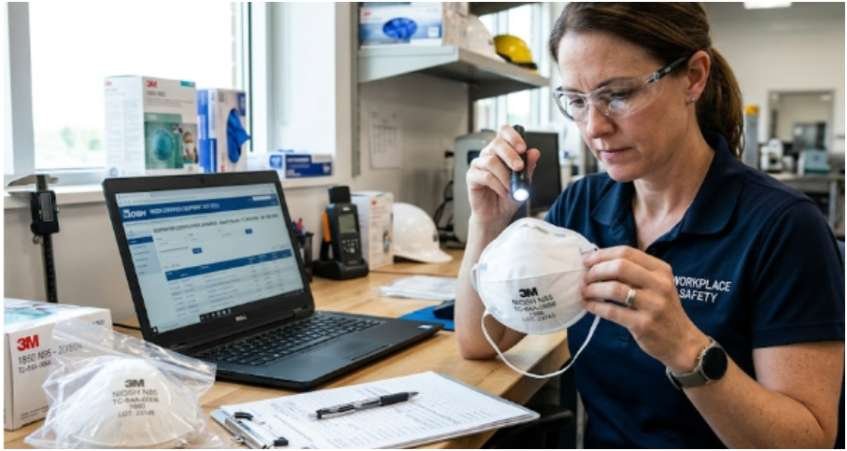
How to Verify a NIOSH-Approved Respirator: 5 Steps

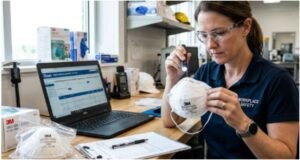
A respirator can display “N95” and still fail an authenticity check. When I explain how to verify a NIOSH-approved respirator, I use a three-way match: the facepiece, package label, and government record must describe the same product. A logo or TC number alone is not enough. NIOSH evaluates respirators used in U.S. workplaces. Every approved…
-
Essential Forklift Rules for Operators and Pedestrians

I have seen how quickly a warehouse aisle can become dangerous when a forklift and pedestrian enter the same space without a clear plan. A driver may be watching the load while a worker assumes the operator has already seen them. Following forklift safety rules for operators and pedestrians removes that uncertainty by defining who…
-
How to Conduct a Workplace Safety Inspection

I have learned that an effective workplace inspection is more than walking around with a generic checklist. It is a complete process for finding hazards, speaking with employees, recording evidence, assigning corrective actions, and confirming that every solution works. When I explain how to conduct a workplace safety inspection, I focus on what happens before,…
-
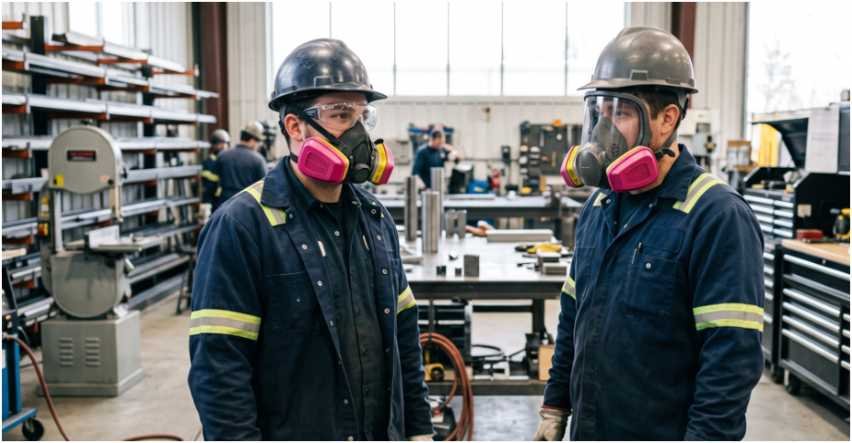
Half Mask vs Full Face Respirator Protection Factors: What APF Really Means

A respirator can look substantial and still provide the wrong protection. The key difference in half mask vs full face respirator protection factors is direct: OSHA gives a negative-pressure half-mask air-purifying respirator an APF of 10 and a full facepiece an APF of 50. That fivefold gap matters only when the respirator fits, the cartridge…
-
Daily Workplace Safety Checklist for Employees

I believe a safer workday begins before the first task starts. A quick visual inspection can reveal spills, damaged equipment, blocked exits, missing protective gear, and other problems that may otherwise cause an injury. Following a daily workplace safety checklist for employees creates a consistent routine for recognizing these risks before work gets busy. A…
-
Common Workplace Hazards and How to Control Them

I believe a safer workplace begins with noticing risks before they cause an injury. Hazards are not limited to factories, construction sites, or warehouses. They can also appear in offices, shops, healthcare facilities, laboratories, kitchens, and remote workspaces. Understanding common workplace hazards and how to control them helps employers and employees take practical action instead…
-
Hierarchy of Controls Explained for Workplaces

When I assess a workplace hazard, I do not begin by asking which gloves, masks, or warning signs workers need. I first ask whether the hazard can be removed completely. That question is central to the hierarchy of controls explained for workplaces, a safety framework that ranks hazard-control methods from the most reliable to the…
-
How to Prevent Slips Trips and Falls at Work

I have seen how an ordinary spill, loose cable, damaged stair tread, or poorly lit hallway can quickly become a serious workplace hazard. Learning how to prevent slips trips and falls at work requires more than displaying a wet-floor sign. Employers need a practical prevention system that identifies hazards, removes them at the source, assigns…