Latest posts

  • How to Choose Safety Glasses That Fit Right and Last

    How to Choose Safety Glasses That Fit Right and Last

    Knowing how to choose safety glasses helps you protect your vision without sacrificing comfort during long workdays. The right pair should provide the appropriate impact protection, fit securely without slipping, and offer lens coatings that reduce fogging, glare, or scratches based on your work environment.  Investing in high-quality protective eyewear not only improves visibility and…

    Read more

  • ISO 14001 Safety Standards: EHS Compliance Made Easy

    ISO 14001 Safety Standards: EHS Compliance Made Easy

    Managing workplace health along with ecological compliance can feel like a chaotic juggling act for any modern company. Every safety officer knows the stress of juggling eco-rules and worker protection goals.  Understanding ISO 14001 safety standards should never feel like deciphering an ancient secret language. Let us explore how this global framework shields your workforce,…

    Read more

  • OSHA Respirator Fit Testing Requirements for Employees

    OSHA Respirator Fit Testing Requirements for Employees

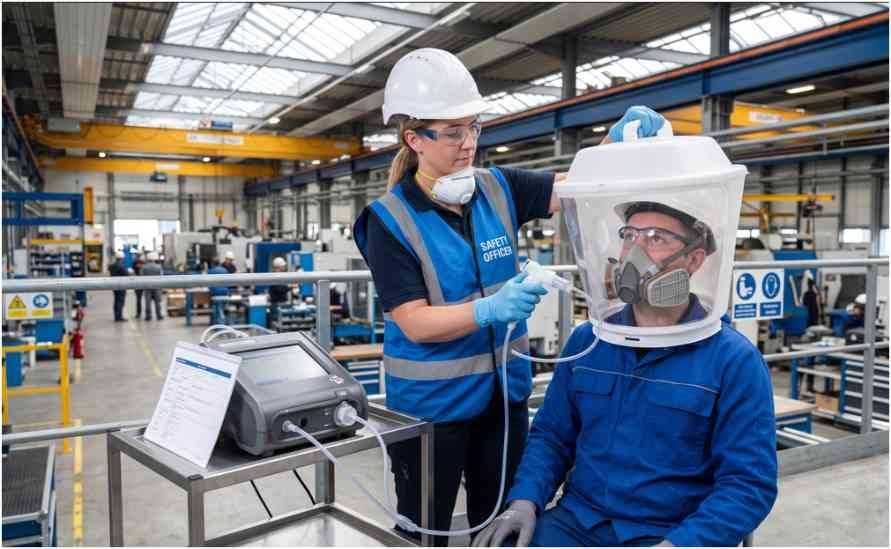
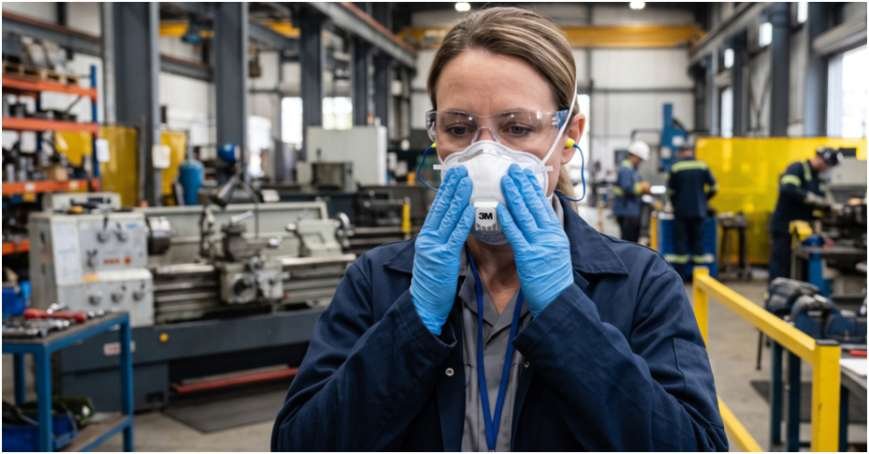
    A respirator can be approved yet still fail if air leaks around the face seal. That is why OSHA respirator fit testing requirements for employees focus on the worker, the exact facepiece, and actual wearing conditions. I use three gates: medical clearance, a passed test on the assigned respirator, and a successful seal check before…

    Read more

  • Rural Home Emergency Preparedness Checklist: Be Ready Before Help Is Miles Away

    Rural Home Emergency Preparedness Checklist: Be Ready Before Help Is Miles Away

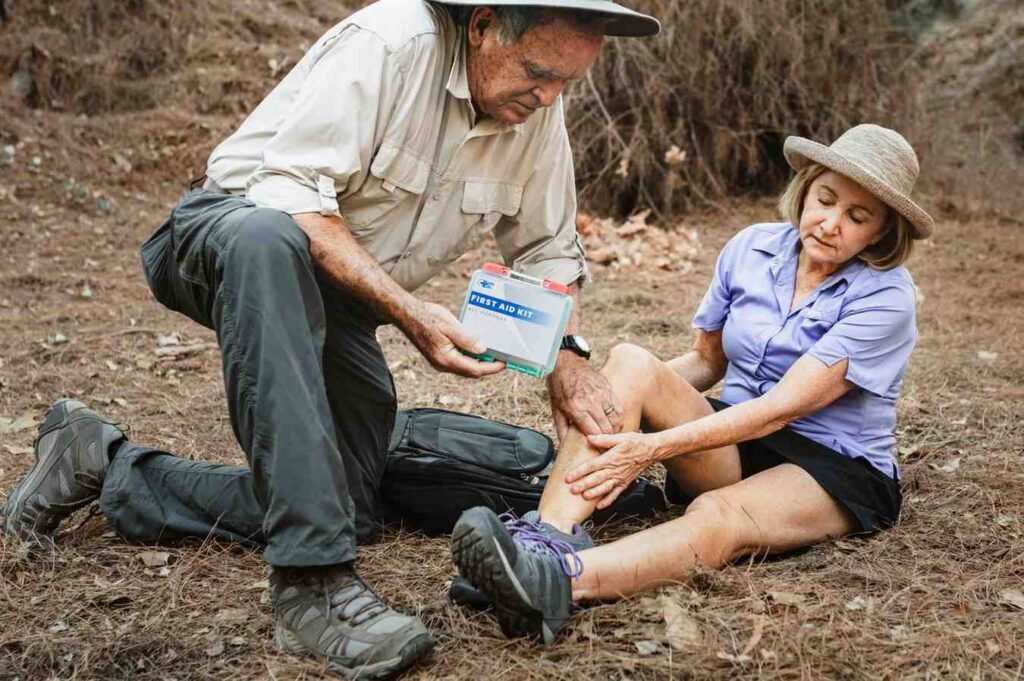
    Living in rural America can mean slower ambulance response, delayed power restoration, weak cell service, and only one road out. I use a rural home emergency preparedness checklist when stores, utilities, repair crews, or responders may not reach my property quickly. The American Red Cross recommends storing three days of supplies for evacuation and two…

    Read more

  • How Often Should Respirator Cartridges Be Replaced?

    How Often Should Respirator Cartridges Be Replaced?

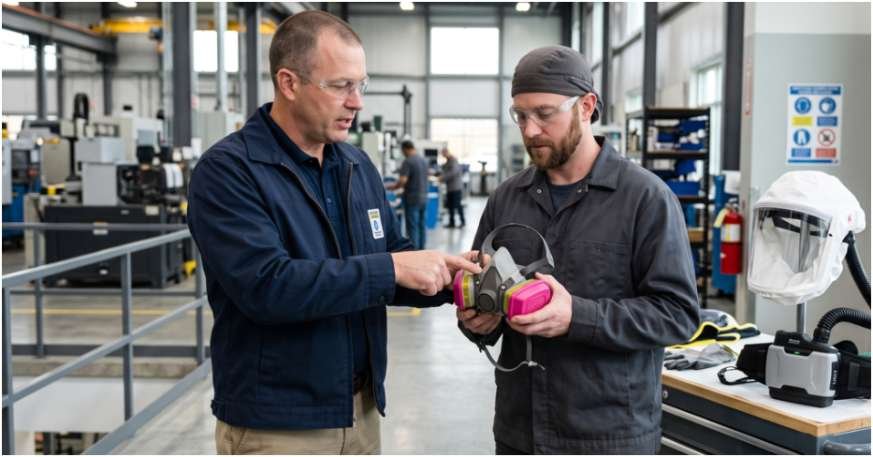
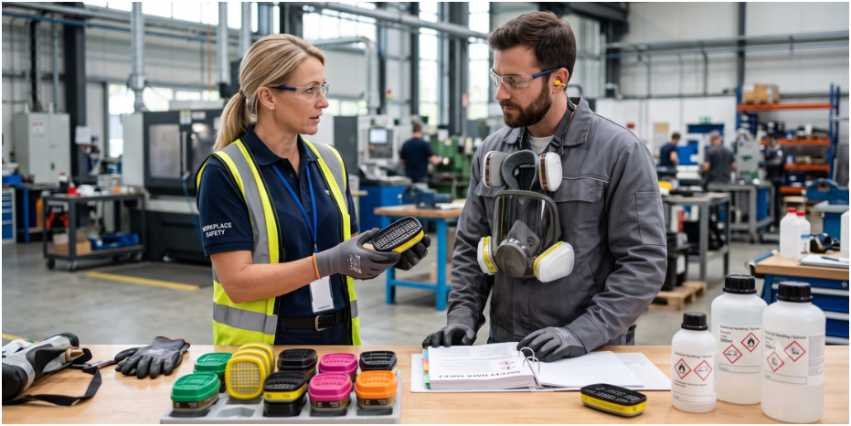
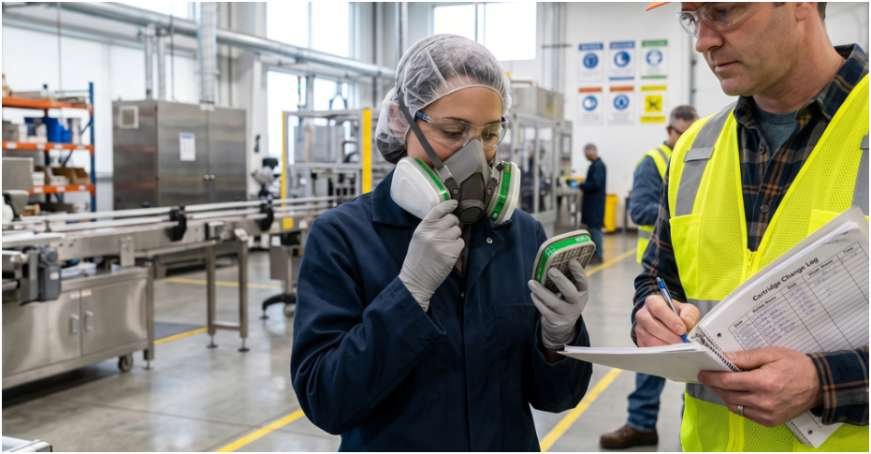
    A cartridge can look clean while its protective material is nearly exhausted. That is why the answer to how often should respirator cartridges be replaced cannot come from appearance alone. I treat replacement as a documented safety control, not a calendar guess. Some cartridges may need changing before a shift ends. Others may remain usable…

    Read more

  • Tornado Preparedness Checklist for Homes Without Basements: Your 10-Minute Safety Plan

    Tornado Preparedness Checklist for Homes Without Basements: Your 10-Minute Safety Plan

    A tornado warning can leave only minutes to act, so the safest plan is one your household already knows. I created this tornado preparedness checklist for homes without basements to help US homeowners and renters choose a safer room, build an emergency kit, and respond without wasting critical time. Where Is the Safest Place During…

    Read more

  • OSHA compliance requirements for healthcare facilities: The Safety Gaps You Can’t Ignore

    OSHA compliance requirements for healthcare facilities: The Safety Gaps You Can’t Ignore

    In healthcare, the greatest workplace risks are not always the ones making headlines. A missing training record, an overfilled sharps container, an unlabeled disinfectant bottle, or an expired respirator fit test can expose employees to serious harm and leave an organization vulnerable during an inspection.  When I evaluate OSHA compliance requirements for healthcare facilities, I…

    Read more

  • Chemical Safety Compliance Guidelines: OSHA & HazCom Guide

    Chemical Safety Compliance Guidelines: OSHA & HazCom Guide

    Following chemical safety compliance guidelines is essential for protecting employees, maintaining operational efficiency, and meeting regulatory requirements. A well-implemented safety program helps reduce the risk of chemical spills, accidental exposure, workplace injuries, and costly compliance violations that can disrupt business operations.  Regular employee training, proper chemical labeling and storage, routine inspections, and the use of…

    Read more

  • Emergency Kit for Homes in Wildfire Zones: A Two-Kit Plan for Faster Evacuation 

    Emergency Kit for Homes in Wildfire Zones: A Two-Kit Plan for Faster Evacuation 

    Wildfire danger does not always begin with visible flames. It may start with ash on the driveway, an emergency alert at midnight, or a sky that suddenly turns orange. In those moments, I do not want to decide what to pack while smoke thickens and evacuation routes become crowded. That is why I treat an…

    Read more

  • Qualitative vs Quantitative Respirator Fit Testing

    Qualitative vs Quantitative Respirator Fit Testing

    A respirator can look secure while leaking at the nose, cheeks, or chin. That is why qualitative vs quantitative respirator fit testing matters. Both methods confirm whether a specific facepiece seals to a specific worker, but they produce different evidence. When I compare testing options, I start with the required protection level. Cost comes later.…

    Read more